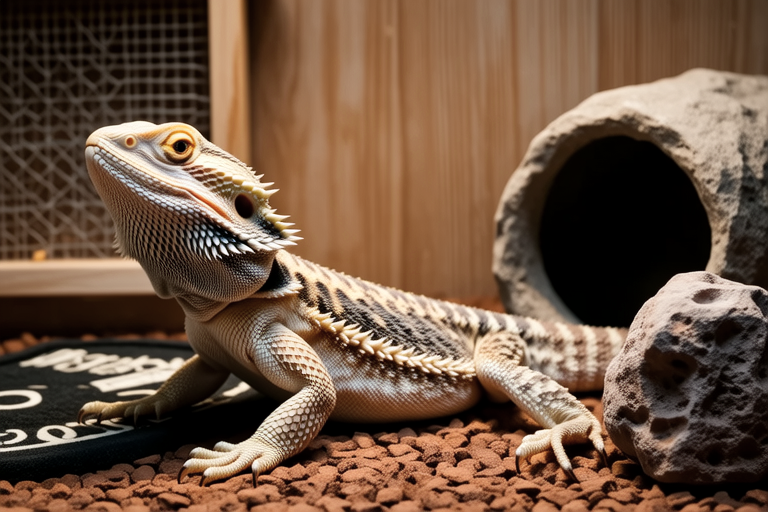
DIY Bearded Dragon Habitat Hacks for the Budget-Conscious Owner
Welcome to the world of bearded dragon ownership! These fascinating reptiles are popular pets due to their unique appearance, friendly demeanor, and relatively low maintenance requirements. However, setting up a proper habitat can sometimes feel daunting, especially when considering the cost of commercial products. This guide aims to help you create a safe and stimulating environment for your bearded dragon while keeping costs down through creative DIY solutions.
Understanding Bearded Dragons and Their Basic Habitat Needs
Bearded dragons (Pogona vitticeps) originate from the arid regions of Australia, where they thrive in environments characterized by high temperatures and abundant sunlight. To replicate these conditions at home, it is crucial to understand their specific habitat requirements:
- Temperature: Bearded dragons require a temperature gradient within their enclosure, ranging from 75°F to 100°F (24°C to 38°C). The basking area should reach around 95-105°F (35-41°C).
- Humidity: They prefer dry conditions with humidity levels between 30% and 40%.
- Lighting: Exposure to UVB light is vital for calcium absorption and overall health.
- Space: A minimum tank size of 20 gallons for juveniles and 40 gallons for adults ensures adequate space for movement.
Essential Items for a Bearded Dragon Habitat
Substrate
The substrate forms the base of your bearded dragon’s habitat and plays a critical role in maintaining hygiene and providing a naturalistic environment. Avoid substrates that pose choking hazards or can cause impaction, such as sand or small gravel. Instead, opt for safer alternatives:
- Reptile Carpet: Made from recycled materials, reptile carpet is durable, easy to clean, and affordable. You can purchase remnants from local carpet stores at a fraction of the cost of new rolls.
- Paper Towels: Simple yet effective, paper towels are inexpensive and disposable. They also allow you to monitor droppings closely, which is beneficial for tracking your pet’s health.
- Tile Flooring: Salvaged tiles from home improvement stores or discarded kitchen floors offer a smooth, non-toxic surface that is simple to clean. Ensure the grout lines are sealed to prevent bacterial growth.
Lighting
Proper lighting is essential for your bearded dragon’s well-being. UVB light helps in calcium metabolism, while heat lamps maintain optimal body temperature. Here are some budget-friendly options:
- LED Grow Lights: These lights are designed for indoor gardening but emit sufficient UVB radiation for reptiles. They are energy-efficient and long-lasting, making them a cost-effective choice.
- Compact Fluorescent Bulbs: Available in various wattages, these bulbs provide both UVB and heat. Look for models specifically labeled for reptile use.
- Thrift Store Lamps: Purchase old lamps from thrift shops and replace the existing bulbs with appropriate reptile-specific ones. This approach allows you to recycle and personalize the lighting setup.
Heating
Heat is necessary for digestion and overall activity levels. Below are some DIY heating solutions:
- Ceramic Heat Emitters: These emitters produce radiant heat without visible light, ideal for nocturnal heating. Check garage sales or online marketplaces for second-hand units.
- Basking Lamp with Reflectors: Use standard incandescent bulbs with reflector bowls to focus heat onto specific areas. Ensure the lamp is securely mounted to prevent fire hazards.
- Heat Pads: Placed under the tank, these pads provide gentle warmth from below. Look for discounted versions or make your own by wrapping a heating pad in multiple layers of fabric.
Hiding Spots
Hiding spots offer security and reduce stress. Craft these using items found around your home:
- Cardboard Boxes: Cut windows into boxes and line them with soft fabric or towels. They are easily replaceable and customizable.
- Plastic Bottles: Clean out large plastic bottles and cut them into shapes suitable for hiding spots. Decorate with paint or markers for added appeal.
- Pottery Bowls: Inexpensive ceramic or plastic bowls serve as excellent hideaways. Choose darker colors to mimic natural rock formations.
Safety Tips and Considerations
While crafting a DIY habitat can be rewarding, it is important to prioritize your bearded dragon’s safety:
- Material Safety: Always check that materials used are non-toxic and free from sharp edges or harmful chemicals.
- Temperature Monitoring: Invest in reliable thermometers and hygrometers to ensure consistent environmental conditions.
- Regular Cleaning: Maintain hygiene by cleaning the enclosure regularly and replacing substrates as needed.
- Supervision: Regularly observe your dragon’s behavior to identify any signs of discomfort or illness.
Maintaining a Healthy Environment
To keep your bearded dragon happy and healthy, pay attention to several factors:
- Diet: Provide a balanced diet rich in leafy greens, insects, and occasional fruits.
- Hydration: Offer fresh water daily in a shallow dish.
- Interaction: Spend time handling your dragon gently to build trust.
Monitoring Your Dragon’s Behavior
Observing your bearded dragon’s behavior will help you determine if its habitat is meeting its needs:
- Activity Levels: Watch for signs of lethargy or excessive hiding, which might indicate issues with temperature or lighting.
- Feeding Habits: Note changes in appetite, as this could signal underlying health problems.
- Behavioral Changes: Any unusual behaviors, such as excessive digging or pacing, may suggest discomfort or dissatisfaction with the current setup.
By incorporating these DIY hacks into your bearded dragon’s habitat, you can create a comfortable and stimulating environment while staying within budget. Remember, the key is creativity and resourcefulness. With a little effort, you can transform everyday items into essential components of your pet’s home. Happy crafting!
