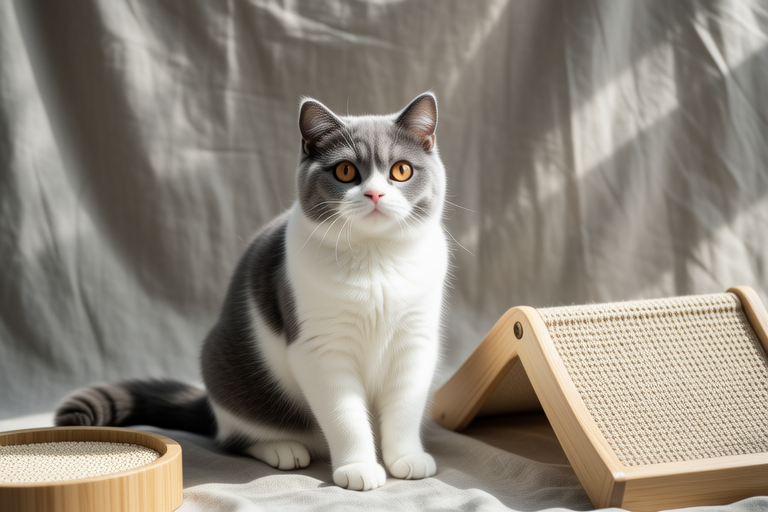
How to Care for Your Munchkin Pet: Tips from an Expert
Munchkin pets, also known as Munchkin cats, are a unique breed of cat that has gained significant popularity due to their distinct physical characteristic – short legs. These adorable creatures have become a favorite among pet lovers for their playful nature and endearing appearance. The Munchkin cat was first discovered in Louisiana in 1983 and has since been recognized by various cat registries worldwide.
Introduction to Munchkin Pets
The Munchkin cat is named after the small characters from ‘The Wizard of Oz.’ They come in a variety of colors and patterns, and their short legs are caused by a genetic mutation that affects the long bones in their legs. Despite their shorter stature, these cats are generally healthy and can live long lives. Their unique physical features make them stand out from other cat breeds.
Diet: Feeding Your Munchkin Pet
Proper nutrition is essential for maintaining your Munchkin’s health and well-being. A balanced diet should include high-quality protein, vitamins, minerals, and fatty acids. Consult with your veterinarian to determine the best food options based on your cat’s age, weight, and activity level. Avoid overfeeding, as obesity can lead to health issues such as diabetes and arthritis.
Ensure fresh water is always available. Consider using a pet fountain to encourage drinking, as running water can be more appealing to cats. Wet food can be a good option, as it contains more moisture and helps prevent urinary tract infections, which are common in cats.
Exercise: Keeping Your Munchkin Active
While Munchkins may look like they’re built for lounging, they still need regular exercise to maintain muscle tone and prevent obesity. Encourage playtime with interactive toys that stimulate both mental and physical activity. Laser pointers, feather wands, and puzzle feeders are excellent choices. Additionally, consider providing climbing structures or shelves at different heights to allow your cat to explore its environment safely.
Due to their shorter legs, Munchkin cats may not engage in prolonged running or jumping activities as other breeds might. Instead, focus on activities that challenge their agility and coordination. For example, you could create obstacle courses with tunnels, boxes, and platforms designed for their shorter stature.
Grooming: Maintaining Your Munchkin’s Coat
Grooming is an important aspect of caring for your Munchkin pet. Regular brushing helps remove loose fur and prevents matting, especially if your cat has a longer coat. Use a soft-bristled brush or a slicker brush to gently comb through their fur. Pay special attention to areas where hair might tangle, such as behind the ears and under the chin.
Bathing your Munchkin should be done sparingly, typically only when necessary. Over-bathing can strip natural oils from their skin, leading to dryness and irritation. If bathing is required, use a gentle, pH-balanced shampoo formulated for cats. Always ensure thorough rinsing to avoid leaving soap residue.
Healthcare: Ensuring Your Munchkin’s Wellbeing
Veterinary check-ups are crucial for monitoring your Munchkin’s health. Schedule routine visits for vaccinations, dental care, and overall wellness evaluations. Be vigilant about any signs of illness, such as changes in appetite, energy levels, or litter box habits.
Despite their sturdy appearance, Munchkin cats are prone to certain health issues related to their genetic makeup. Hip dysplasia and lordosis (swayback) are two conditions that may affect some individuals. Early detection and management are key to preventing complications. Regular exercise and a healthy diet can help maintain joint health.
Living Environment: Creating a Safe Space for Your Munchkin
Designing a safe and comfortable living space for your Munchkin cat involves considering their unique physical needs. Elevated feeding stations and litter boxes can help reduce strain on their joints. Opt for low-sided litter trays that are easy for them to step into and out of. Similarly, choose food bowls and water dishes that are accessible without requiring excessive stretching.
Provide plenty of hiding spots and cozy resting areas. Cats enjoy having multiple places to retreat to when they feel overwhelmed or need some alone time. Consider placing soft blankets or cushions in quiet corners of your home.
Toys and Furniture: Selecting Suitable Items for Your Munchkin
Selecting appropriate toys and furniture for your Munchkin cat requires careful consideration of their shorter legs. Look for toys that promote interaction rather than those that require significant jumping or reaching. Interactive laser pointers, fishing rod toys, and soft plush mice are great options.
Furniture should be chosen with safety in mind. Avoid tall or unstable pieces that could pose a risk if your cat attempts to climb or jump onto them. Opt for low-profile beds or cat towers with wide, stable bases. Providing ramps or steps can help your Munchkin access higher surfaces safely.
Common Myths About Munchkin Pets
There are several misconceptions surrounding Munchkin cats. One common myth is that their shortened limbs cause severe mobility problems. While it’s true that some individuals may experience challenges, many Munchkin cats lead active, healthy lives. Another misconception is that all Munchkins suffer from spinal deformities. In reality, most Munchkins have normal spines and live comfortably.
Why Munchkin Pets Make Great Companions
Munchkin cats are known for their friendly and affectionate personalities. They often form strong bonds with their owners and enjoy spending time together. Their playful nature makes them entertaining companions, while their adaptability allows them to thrive in various household settings.
These cats are intelligent and curious, making them ideal candidates for interactive games and training exercises. With proper care and attention, Munchkin pets can provide years of joy and companionship to their human families.
