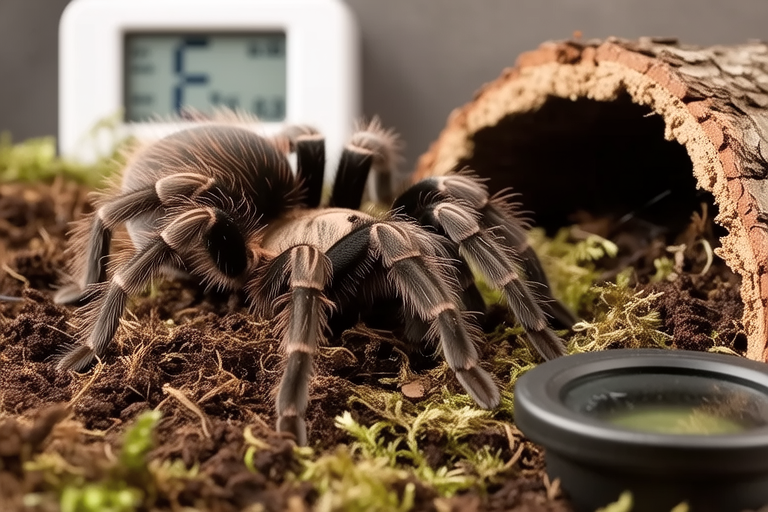
Setting Up and Maintaining an Ideal Habitat for Chilean Rose Tarantulas
Welcome to your guide on setting up and maintaining the perfect habitat for Chilean Rose Tarantulas (Grammostola rosea). This species is one of the most popular pet tarantulas due to its docile nature, vibrant colors, and manageable care requirements. Whether you’re a beginner or an experienced arachnid enthusiast, this article will provide you with all the necessary information to ensure your Chilean Rose Tarantula thrives in its environment.
Choosing the Right Enclosure Size
The first step in creating a suitable habitat for your Chilean Rose Tarantula is selecting the right enclosure size. Adult Chilean Rose Tarantulas require an enclosure that is at least 10 gallons in volume. A general rule of thumb is to provide a floor space of about 4 inches by 6 inches per leg span of the tarantula. This ensures they have enough room to move around comfortably without feeling cramped.
For juveniles, a smaller enclosure can suffice as they grow quickly. However, it’s important to upgrade their enclosure as they mature to prevent stress and potential health issues.
Selecting the Appropriate Substrate Type and Depth
The substrate is crucial for maintaining proper humidity levels and providing a natural environment for your tarantula. Suitable substrates include coconut fiber, peat moss, and organic potting soil. These materials retain moisture well, which is essential for maintaining the correct humidity level within the enclosure.
A depth of 3 to 4 inches of substrate is recommended. This allows the tarantula to burrow, which is part of their natural behavior. Burrowing also helps maintain humidity levels by preventing rapid evaporation of moisture from the substrate.
Temperature and Humidity Requirements
Chilean Rose Tarantulas thrive in temperatures between 75°F and 85°F (24°C to 29°C). Avoid extreme temperature fluctuations as they can stress your tarantula. You can use a thermometer placed inside the enclosure to monitor temperature changes.
Humidity levels should be maintained between 60% and 80%. To achieve this, mist the substrate lightly every few days. Over-misting can lead to mold growth, so it’s important to strike a balance. Always check the humidity levels regularly, especially during different seasons when external humidity can fluctuate.
Lighting Needs
Chilean Rose Tarantulas are nocturnal creatures and do not require direct light. However, providing a gentle source of UVB light can benefit their overall health by helping them synthesize vitamin D. Use a low-wattage bulb placed outside the enclosure to avoid overheating. It’s crucial to ensure there are no hotspots within the enclosure that could harm your tarantula.
Ventilation
Proper ventilation is essential for preventing stagnant air and ensuring a healthy living environment. The enclosure should have adequate airflow but not drafts. Small ventilation holes or a screen top can facilitate this. Be cautious with the placement of the enclosure to avoid direct exposure to cold drafts or excessive heat sources.
Hiding Spots
Providing hiding spots is vital for the comfort and well-being of your tarantula. They offer a sense of security and help reduce stress. Suitable hiding spots include cork bark tubes, half logs, or artificial caves. Ensure these items are securely positioned to prevent accidental falls or collapses.
Feeding Practices
Chilean Rose Tarantulas primarily feed on crickets, dubia roaches, and other small insects. Feed them once or twice a week, depending on their age and appetite. Juveniles may need more frequent feeding, while adults can be fed less often. It’s important to gut-load feeder insects with nutritious foods before offering them to your tarantula. Gut-loading involves feeding the insects a diet rich in vitamins and minerals to pass along to your pet.
Remove uneaten prey after 24 hours to prevent contamination of the enclosure. Overfeeding can lead to obesity and other health problems, so monitor your tarantula’s weight and adjust feeding accordingly.
Cleaning Schedules
Maintaining a clean habitat is key to your tarantula’s health. Spot clean the enclosure daily to remove waste and uneaten food. Perform a thorough deep clean every 4 to 6 weeks. During a deep clean, remove all substrate and replace it with fresh material. Clean the enclosure thoroughly, paying special attention to corners and hiding spots where waste might accumulate.
Use mild soap and water to clean the enclosure. Rinse thoroughly and allow it to dry completely before adding new substrate and decorations. Avoid using harsh chemicals or sprays that could be harmful to your tarantula.
Common Mistakes to Avoid
There are several common mistakes to watch out for when caring for Chilean Rose Tarantulas:
- Overheating: Keep the enclosure away from direct sunlight or heat sources to prevent overheating.
- Underwatering: Ensure the substrate remains moist but not soggy. Underwatering can lead to dehydration and respiratory issues.
- Incorrect Feeding: Do not overfeed or underfeed your tarantula. Provide a balanced diet and monitor their weight.
- Inadequate Ventilation: Poor ventilation can lead to mold growth and respiratory issues. Ensure the enclosure has adequate airflow.
- Improper Handling: Handle your tarantula gently and only when necessary. Avoid handling juveniles frequently as they are more fragile.
Safety Tips
Handling your tarantula requires caution. Always use tongs or a soft brush to transfer them into or out of their enclosure. Wash your hands thoroughly before and after handling to prevent the spread of bacteria or oils from your skin that could harm your tarantula.
If you notice any signs of distress or illness in your tarantula, such as lethargy, refusal to eat, or unusual behavior, consult a veterinarian specializing in exotic animals immediately.
Conclusion
Creating and maintaining an ideal habitat for your Chilean Rose Tarantula is a rewarding endeavor that ensures their health and happiness. By following the guidelines outlined in this article, you’ll provide your tarantula with everything it needs to thrive. Remember to stay observant, adapt to any changes in your tarantula’s behavior, and always prioritize their well-being.
With dedication and care, you’ll enjoy many years of companionship with your Chilean Rose Tarantula. Happy tarantula keeping!
