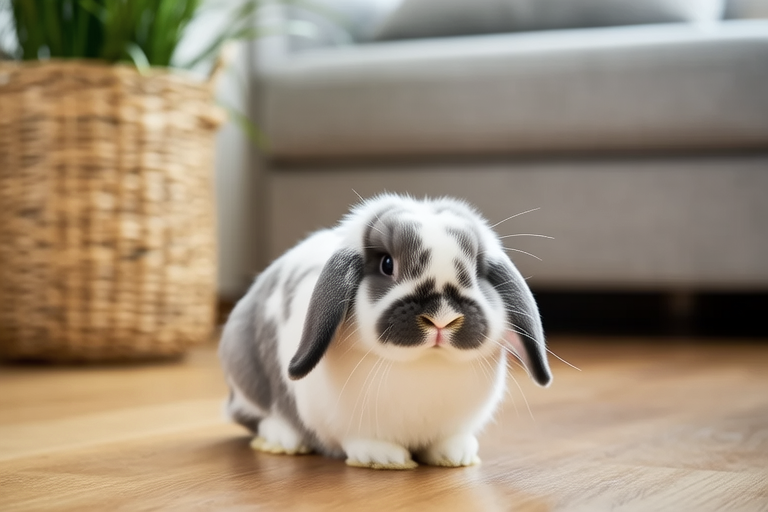
Adorable Fluffy Friends: How to Make Your Home Lop Rabbit-Friendly
Welcome to the delightful world of lop rabbits! These charming creatures with their floppy ears and cuddly demeanor are perfect companions for those who appreciate the joys of pet ownership. Making your home rabbit-friendly is essential for ensuring your lop rabbit’s happiness and health. This guide will walk you through creating a safe, comfortable, and stimulating environment for your furry friend.
Rabbit-Safe Materials for Furniture and Flooring
Choosing the right materials for your furniture and flooring is crucial when making your home lop rabbit-friendly. Opt for natural, non-toxic fabrics such as cotton, wool, or bamboo, which are safe for rabbits to chew on. Avoid synthetic materials like polyester or nylon, as they can be harmful if ingested. For flooring, consider using hardwood, laminate, or linoleum, which are easy to clean and maintain. Carpets can harbor bacteria and allergens, so they may not be the best choice for a rabbit-friendly home.
Creating Designated Spaces for Eating, Sleeping, and Playing
Your lop rabbit needs distinct areas for eating, sleeping, and playing to thrive. Designate a quiet corner for your rabbit’s hutch or bed, ensuring it’s cozy and comfortable. Provide a spacious play area where your rabbit can stretch its legs and explore. Place food and water bowls in easily accessible locations away from the sleeping area to prevent contamination. Remember, rabbits are crepuscular animals, meaning they’re most active during dawn and dusk, so their spaces should accommodate this behavior.
Ensuring Electrical Wires Are Secure
Electrical wires pose a significant risk to curious lop rabbits. To protect your pet and your electronics, secure all exposed wires by covering them with wire guards or tucking them behind furniture. Consider using cable organizers to bundle multiple wires together, making them less appealing to nibble on. If necessary, use wire mesh to block off areas where wires run along the floor.
Providing Adequate Lighting
Lighting plays a vital role in your lop rabbit’s well-being. Ensure your rabbit has access to natural sunlight for at least a few hours each day. Natural light promotes healthy bone development and vitamin D production. Supplement natural light with artificial lighting that mimics daylight, such as full-spectrum bulbs. Position lights strategically to create a bright but not overly harsh environment for your rabbit.
Maintaining Optimal Temperature
Lop rabbits are sensitive to extreme temperatures. Maintain a consistent room temperature between 65°F and 75°F (18°C to 24°C) to ensure your rabbit stays comfortable. In colder months, provide extra bedding and blankets to keep your rabbit warm. During hot summer days, offer cool treats like frozen vegetables or ice cubes, and ensure your rabbit has access to fresh, cool water. Avoid placing your rabbit’s enclosure near windows or drafts to prevent temperature fluctuations.
Integrating Rabbit-Proofing Measures
Creating a rabbit-proof home involves several steps. Start by blocking off areas your rabbit shouldn’t access, such as under furniture or behind doors. Use baby gates or playpens to restrict your rabbit’s movement within certain rooms. Install window guards to prevent your rabbit from jumping onto windowsills or climbing curtains. Be mindful of any potential hazards, such as small objects or sharp corners, and remove or cover them accordingly.
Regular Cleaning and Hygiene
Keeping your home clean and hygienic is essential for both you and your lop rabbit. Regularly clean your rabbit’s hutch and litter box to prevent the buildup of bacteria and odors. Dispose of waste properly and replace bedding materials frequently. Wash your hands before and after handling your rabbit to prevent the spread of germs. A clean environment promotes good health and reduces the risk of illness for both you and your pet.
Selecting Safe Toys and Accessories
Toys and accessories can enrich your lop rabbit’s life and keep them entertained. Choose toys made from natural, non-toxic materials such as untreated wood, hay, or cotton. Avoid plastic toys with small parts that could be swallowed or sharp edges that might cause injury. Provide a variety of toys, including chew toys, tunnels, and balls, to stimulate your rabbit’s mind and body. Rotate toys periodically to prevent boredom and keep your rabbit engaged.
The Benefits of a Rabbit-Friendly Home
A rabbit-friendly home offers numerous benefits for both you and your lop rabbit. By creating a safe, comfortable environment, you promote your rabbit’s physical and mental well-being. A happy, healthy rabbit is more likely to form a strong bond with its owner, leading to a rewarding companionship. Additionally, a well-cared-for rabbit requires less medical attention, reducing veterinary costs and stress. Investing time and effort into making your home rabbit-friendly ensures a joyful and fulfilling experience for both you and your beloved pet.
