Top 10 Myths About Red-eared Sliders Debunked!
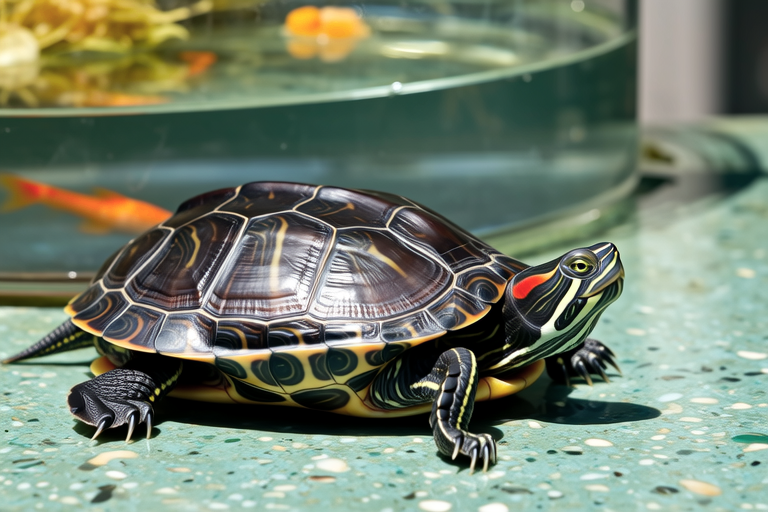
Red-eared sliders (Trachemys scripta elegans) are among the most popular pet turtles worldwide. Their distinctive red stripes behind their eyes and charming demeanor make them appealing to many. However, numerous misconceptions surround these reptiles, often leading to improper care and misunderstanding. This article aims to clarify the top 10 myths about red-eared sliders, offering scientifically-backed explanations and practical advice for responsible ownership.
Myth 1: Red-eared Sliders Are Low-Maintenance Pets
One of the most widespread myths is that red-eared sliders require minimal care. In reality, these turtles have complex needs that must be met for their well-being. They need large aquatic environments with UVB lighting, basking areas, and a balanced diet. A tank or pond that mimics their natural habitat is essential, as it allows them to swim freely and bask under a heat lamp. Regular water changes and cleaning are necessary to prevent disease. Neglecting these requirements can lead to health issues such as shell rot and respiratory infections.
Myth 2: Red-eared Sliders Can Be Kept in Small Tanks
Another misconception is that small tanks suffice for red-eared sliders. As they grow, so does their space requirement. Juveniles may start in smaller enclosures, but adults need much more room. An adult red-eared slider requires at least 10 gallons of water per inch of shell length. For an average adult, this means a minimum of 80 gallons. Insufficient space leads to stress, stunted growth, and poor health. Providing ample swimming area and basking spots ensures their physical and mental health.
Myth 3: Red-eared Sliders Don’t Need UVB Lighting
UVB lighting is crucial for red-eared sliders’ health. Contrary to some beliefs, UVB helps them synthesize vitamin D3, which aids calcium absorption necessary for strong bones and shells. Without adequate UVB exposure, turtles can develop metabolic bone disease, leading to deformities and weakened shells. Proper UVB lighting should cover the entire basking area, and it’s recommended to replace bulbs every six months to ensure effectiveness.
Myth 4: Red-eared Sliders Only Eat Lettuce
While lettuce is safe for red-eared sliders, it’s far from ideal. These omnivores require a balanced diet consisting of commercial turtle pellets, fresh vegetables like kale and collard greens, and occasional protein sources such as earthworms or minnows. Feeding solely lettuce deprives them of essential nutrients, causing malnutrition. A varied diet supports their growth and overall health, ensuring they live longer and healthier lives.
Myth 5: Red-eared Sliders Hibernate Indoors
Red-eared sliders are cold-blooded, meaning they rely on external sources for body temperature regulation. While they can slow down their metabolism during cooler periods, indoor hibernation isn’t typical. Instead, they naturally brumate in the wild, where temperatures drop significantly. In captivity, maintaining a consistent warm environment prevents brumation. If your turtle shows signs of lethargy or decreased appetite, consult a veterinarian rather than assuming it’s hibernation.
Myth 6: Red-eared Sliders Don’t Need Social Interaction
Contrary to the belief that turtles are solitary creatures, red-eared sliders can benefit from social interaction. While they aren’t as social as dogs or cats, they can recognize their handlers and show preferences for certain people. Providing a stimulating environment with hiding spots, floating platforms, and other enrichments can enhance their quality of life. However, overcrowding should be avoided, as it can cause stress and aggression among turtles.
Myth 7: Red-eared Sliders Can Survive on Tap Water
Tap water contains chlorine and other chemicals harmful to red-eared sliders. Using dechlorinated or distilled water is essential to maintain water quality and prevent health issues. Additionally, regular water changes and filtration systems help keep the water clean and free from harmful bacteria. Proper water management is crucial for their respiratory and digestive health.
Myth 8: Red-eared Sliders Can Live Outside Year-Round
Red-eared sliders are native to parts of North America and can tolerate cooler temperatures. However, they are not suited for outdoor living year-round in all climates. In regions with harsh winters, they risk frostbite and hypothermia. Outdoor housing should only be considered in temperate climates and with appropriate protection against extreme weather. Indoor setups provide better control over environmental factors, ensuring their safety and comfort.
Myth 9: Red-eared Sliders Don’t Need Basking Areas
Basking is vital for red-eared sliders. It allows them to regulate their body temperature and dry off after swimming. Without a proper basking spot, they risk developing skin infections and respiratory issues. The basking area should be easily accessible and provide enough space for the turtle to fully extend its limbs. A flat, smooth surface like a rock or wooden platform works best, placed under a heat lamp to simulate natural sunlight.
Myth 10: Red-eared Sliders Grow to a Manageable Size
Red-eared sliders can grow up to 12 inches in diameter and live over 30 years. Many owners underestimate their long-term commitment and the space required. Proper planning and understanding of their growth potential are crucial before bringing one home. Adopting a red-eared slider is a significant responsibility that requires dedication and preparation for their extended lifespan.
In conclusion, red-eared sliders are fascinating creatures that deserve respect and proper care. By debunking these myths, we hope to promote responsible ownership and a deeper appreciation for these turtles. Understanding their needs and providing optimal living conditions ensures their health and happiness, making them wonderful companions for those willing to meet their demands.
