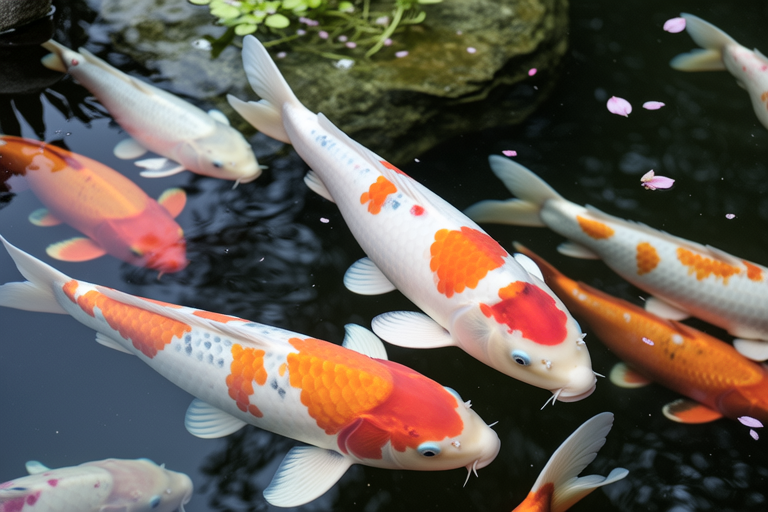
Koi Care Tips That Will Make Your Fish Thrive
Welcome to the world of koi fish! These beautiful, vibrant creatures can bring joy and tranquility to any pond or water garden. However, like any pet, they require special care and attention to thrive. In this article, we’ll explore essential tips on maintaining water quality, proper feeding, creating a suitable environment, and addressing common health issues. Whether you’re a novice or an experienced koi owner, these guidelines will help ensure your koi live long, healthy lives.
Water Quality Maintenance: The Foundation of Koi Health
The most critical aspect of koi care is maintaining optimal water quality. Koi are sensitive to changes in their environment, so regular monitoring and maintenance are crucial.
Testing Water Parameters
Regularly test your pond water to ensure it meets the following parameters:
- pH Levels: Aim for a pH between 7.2 and 8.5. This range supports healthy gill function and overall fish health.
- Ammonia: Keep ammonia levels at zero. Elevated ammonia levels can be toxic to koi.
- Nitrite: Nitrite levels should also be zero. High nitrite levels can cause ‘brown blood disease,’ which affects oxygen transport in fish.
- Nitrate: Maintain nitrate levels below 50 ppm. Higher levels can lead to algae blooms and stress your koi.
- Temperature: Optimal temperature ranges from 64°F to 82°F (18°C to 28°C). Avoid sudden temperature fluctuations.
Invest in a reliable water testing kit and check these parameters weekly. Adjustments may be necessary depending on the results.
Aeration and Filtration
Proper aeration and filtration systems are vital for maintaining clean, oxygen-rich water. A good filter system removes debris, excess food, and harmful bacteria, while aerators increase oxygen levels. Ensure your pond has sufficient surface area for gas exchange and consider adding a waterfall or fountain to enhance aeration.
Regular cleaning of filters and maintenance of pumps are also necessary to prevent clogs and maintain efficiency.
Feeding Practices: Nourishing Your Koi
Proper nutrition is key to keeping your koi healthy and vibrant. Overfeeding can lead to poor water quality, while underfeeding can result in malnutrition. Follow these guidelines to ensure your koi receive balanced diets.
Types of Food
Choose high-quality, nutritious koi pellets that cater to their specific nutritional needs. There are different types of pellets available, including those designed for spring, summer, fall, and winter seasons. Spring and summer pellets are higher in protein to support growth, while winter pellets contain more carbohydrates to provide energy during colder months.
In addition to pellets, consider supplementing with fresh vegetables such as zucchini, peas, and spinach. These additions provide variety and additional nutrients.
Feeding Frequency and Amount
Feed your koi several times a day but only as much as they can consume within five minutes. Overfeeding leads to uneaten food sinking to the bottom, causing water quality issues. Adjust the amount based on the number of fish, their size, and the water temperature.
During cooler temperatures (below 50°F/10°C), reduce feedings or switch to low-protein winter pellets. Koi’s metabolism slows down in cold weather, and they don’t require as much food.
Suitable Pond Environments: Creating a Home for Your Koi
A well-designed pond not only enhances the beauty of your outdoor space but also provides a safe and comfortable habitat for your koi. Consider the following factors when setting up or maintaining your pond.
Pond Size and Depth
Ensure your pond is large enough to accommodate your koi comfortably. As a general rule, each koi requires about 200 gallons of water. Depth plays a crucial role in maintaining stable water temperatures and protecting koi from predators. Aim for a minimum depth of 3 feet (91 cm) in warmer climates and deeper in colder regions.
Hiding Spots and Plants
Provide ample hiding spots for your koi to feel secure. Rocks, caves, and aquatic plants create sheltered areas where koi can retreat during stressful situations. Aquatic plants also contribute to water quality by absorbing nutrients and providing oxygen through photosynthesis.
Protection from Predators
Koi are attractive to various predators, including herons, raccoons, and cats. Install protective netting over your pond to deter birds and animals. Consider using motion-activated sprinklers or decoys to further discourage predators.
Common Health Issues: Identifying and Addressing Problems
Despite your best efforts, koi may still encounter health issues. Early detection and treatment are crucial for recovery. Familiarize yourself with some common ailments and their symptoms.
Fungal Infections
Fungal infections appear as white, cotton-like growths on the skin, fins, or mouth of affected fish. Causes include poor water quality, overcrowding, and physical injuries. Treat fungal infections with antifungal medications and improve water conditions.
Bacterial Infections
Bacterial infections often manifest as red sores, ulcers, or fin rot. Symptoms may also include lethargy, loss of appetite, and rapid breathing. Consult a veterinarian for proper diagnosis and treatment. Antibiotics may be necessary, and improving water quality can prevent recurrence.
Parasitic Infestations
Parasites such as ich, anchor worms, and flukes can cause irritation, excessive mucus production, and erratic swimming behavior. Identify the parasite and treat accordingly with appropriate medications. Quarantine new fish before introducing them to the main pond to prevent introducing parasites.
Regular Monitoring and Care Routines
Consistent observation and maintenance routines are essential for the well-being of your koi. Establish a schedule to perform the following tasks regularly:
- Test water parameters weekly and adjust as needed.
- Clean filters and maintain pumps monthly.
- Inspect koi daily for signs of illness or injury.
- Trim aquatic plants seasonally to promote healthy growth.
- Perform partial water changes every few weeks to remove accumulated toxins.
By adhering to these routines, you’ll be able to catch potential problems early and take corrective actions promptly.
Conclusion
With proper care and attention, koi can live for decades, bringing joy and beauty to your pond. By focusing on water quality, appropriate feeding, suitable environments, and proactive health management, you can ensure your koi thrive. Remember, koi are sensitive creatures, so regular monitoring and prompt action are key to their longevity and well-being. Happy koi keeping!
