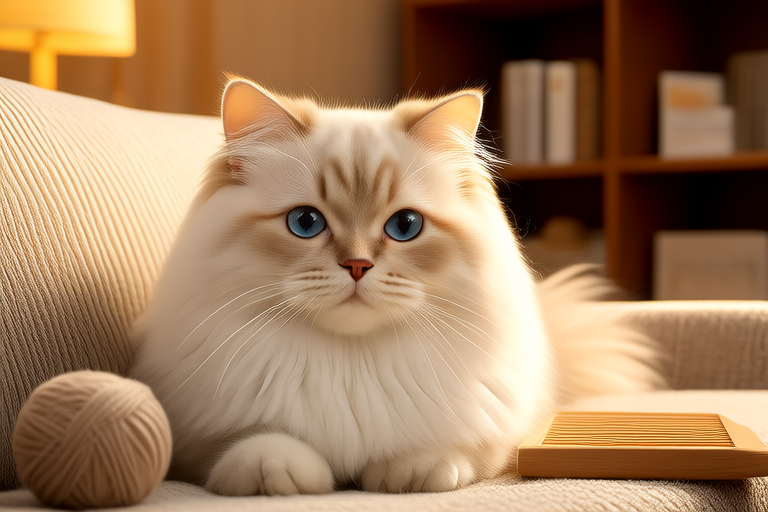
Why Persian Cats Are a Softie’s Best Friend: Facts and Myths
Persian cats have long been cherished for their regal appearance and gentle demeanor. With their luxurious, flowing coats and expressive blue eyes, they exude an air of elegance that captivates many pet lovers. These felines are not just beautiful; they are also known for their calm and affectionate nature, making them a perfect companion for those with tender hearts. In this article, we will explore the unique characteristics of Persian cats, dispel common myths, and provide you with valuable insights into their care and temperament.
The Distinctive Appearance and Gentle Nature of Persian Cats
Persian cats are easily recognizable by their long, silky coats that come in a wide array of colors and patterns. Their plush fur requires regular grooming, but it adds to their charm and grace. Alongside their striking looks, these cats are renowned for their serene and gentle disposition. They tend to be calm, patient, and often enjoy sitting on laps or being close to their owners. This makes them ideal companions for those who seek a peaceful and loving relationship with their pets.
Key Facts About Persian Cats
Temperament
Persians are typically very affectionate and docile. They love being around people and are often described as lap cats. Their quiet and relaxed demeanor means they are less likely to cause disturbances, making them suitable for households with children or other pets. However, it’s important to note that while they are affectionate, Persians are not overly demanding. They prefer companionship over constant attention, allowing for a harmonious coexistence within the home.
Grooming Needs
One of the most significant aspects of owning a Persian cat is their grooming requirements. Their long, dense coats need daily brushing to prevent matting and hairballs. Regular grooming also helps keep their skin healthy and free from infections. It’s essential to start grooming your Persian kitten early so they get used to the routine. Many owners find this bonding time enjoyable and rewarding.
Health Considerations
Persians can be prone to certain health issues, such as respiratory problems due to their flat faces (brachycephaly) and eye issues like tear staining. Regular veterinary check-ups are crucial to monitor their health and catch any potential issues early. Additionally, maintaining a clean environment and providing proper nutrition can help minimize health risks.
Common Myths About Persian Cats
Myth 1: Persian Cats Require Constant Attention
One common misconception is that Persian cats require constant attention. While they do enjoy the company of their owners, they are independent and can entertain themselves when necessary. They are not clingy or needy, which makes them suitable for individuals with busy schedules.
Myth 2: Persian Cats Are Prone to Obesity
Another myth is that Persian cats are more likely to become obese than other breeds. While it’s true that they may have a slower metabolism, this doesn’t mean they are predisposed to obesity. Maintaining a balanced diet and ensuring they get enough exercise can help prevent weight gain. Providing toys and interactive play sessions can stimulate their activity levels.
Myth 3: Persian Cats Are Unintelligent
Some people believe that Persian cats are unintelligent because of their calm and laid-back demeanor. However, this couldn’t be further from the truth. Persian cats are intelligent and can learn tricks and commands with consistent training. Their intelligence is often expressed in subtle ways, such as their ability to adapt to their surroundings and interact with their owners.
Personal Anecdotes and Experiences
I once had a Persian cat named Luna who was the epitome of grace and affection. Despite her long, luxurious coat, she was surprisingly low-maintenance. Her grooming routine became a cherished part of our daily routine, and I found it incredibly soothing. Luna was always there to greet me at the door after a long day, and her presence brought warmth and comfort to my home. She was a gentle soul who loved nothing more than lounging in a sunny spot or snuggling up next to me on the couch.
Another friend of mine shared how her Persian cat, Max, adapted perfectly to the arrival of a new baby. Max was initially curious about the newborn but quickly settled into his role as a protective older sibling. His calm and gentle nature made him a wonderful addition to the family, providing a sense of stability and peace during a time of change.
Conclusion: Why Persian Cats Are a Softie’s Best Friend
Persian cats are truly a softie’s best friend. Their affectionate personalities, combined with their elegant appearance, make them irresistible companions. While they do require some extra care in terms of grooming and health monitoring, their calm and independent nature ensures that they can thrive in a variety of living situations. For those who seek a peaceful and loving relationship with their pets, Persian cats offer a unique blend of beauty and companionship. Their gentle demeanor and low-maintenance lifestyle make them an excellent choice for soft-hearted individuals looking for a lifelong friend.
