Bengal Cats: The Perfect Blend of Wild Elegance and Feline Affection
When it comes to choosing a pet, many people are drawn to the idea of owning a cat with a touch of the wild. Enter the Bengal cat, a breed that combines the grace and beauty of its wild ancestors with the affectionate nature of a domesticated companion. Known for their striking appearance, high energy levels, and unique personalities, Bengal cats have captured the hearts of cat lovers worldwide. This article delves into the fascinating world of Bengal cats, exploring their origins, characteristics, and what it takes to be a responsible owner.
The Origin and Characteristics of Bengal Cats
The Bengal cat is a relatively new breed, first developed in the 1960s by crossing domestic cats with Asian Leopard Cats. The aim was to create a cat that retained the wild look of its ancestors but had a temperament suitable for a home environment. This selective breeding process has resulted in a breed that is both visually stunning and highly adaptable.
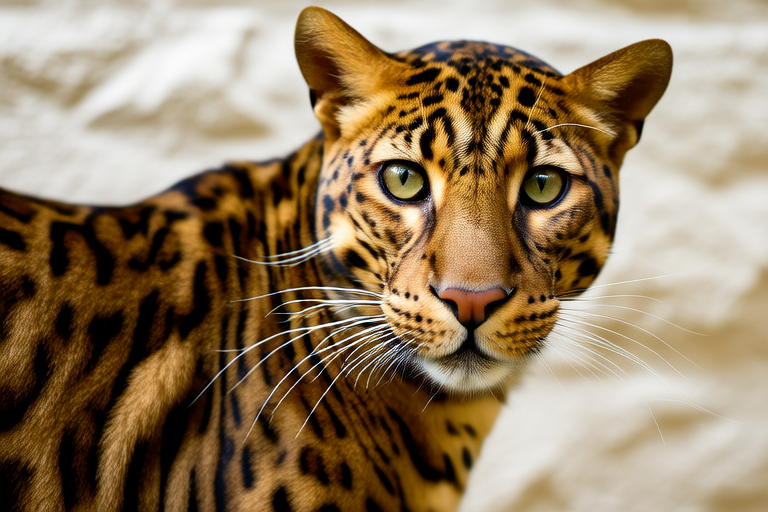
Bengal cats are medium to large-sized felines, known for their muscular build and sleek, athletic bodies. They possess an agility that makes them excellent climbers and jumpers, often reaching great heights with ease. Their most distinctive feature, however, is their coat, which showcases the unmistakable markings of their wild heritage. Bengals come in a variety of colors, including brown, snow, silver, and melanistic (black), each adorned with beautiful rosettes or marbled patterns reminiscent of leopards.
The Striking Appearance of Bengal Cats
The Bengal cat’s coat is one of its most captivating features. Each Bengal cat has a unique pattern, ranging from bold spots to intricate marbling. These patterns are set against a background of rich, warm colors, creating a visually stunning effect. The contrast between the background color and the markings is what gives Bengal cats their distinctive appearance. In addition to their striking coats, Bengal cats also have large, expressive eyes that add to their exotic appeal.
One of the most notable aspects of a Bengal cat’s appearance is its luxurious fur. Unlike many other breeds, Bengal cats have a short, dense coat that feels like silk. This fur is water-resistant, which is why you might find your Bengal cat playing in the sink or bathtub. Their water-loving tendencies stem from their wild roots, where swimming was a common activity for their ancestors.
Energetic Yet Affectionate Nature
Bengal cats are known for their high energy levels, making them ideal companions for active households. They are curious and playful, always ready for a game or a challenge. Their intelligence and curiosity mean they are constantly seeking stimulation, whether through toys, puzzles, or interactive play with their owners. Despite their wild appearance, Bengal cats are affectionate and form strong bonds with their human families. They enjoy being around people and are often found following their owners from room to room, offering companionship and comfort.
While Bengal cats are generally friendly, they can be somewhat reserved around strangers. Early socialization is important to ensure that your Bengal cat becomes comfortable with different people and environments. With proper socialization, Bengal cats can become outgoing and welcoming, enjoying the company of visitors and new experiences.
Caring for Your Bengal Cat
Owning a Bengal cat requires commitment and attention to their specific needs. Proper care includes providing a balanced diet, ensuring adequate exercise, and maintaining a grooming routine. Here are some essential tips for caring for your Bengal cat:
Dietary Needs
Bengal cats require a high-quality, protein-rich diet to support their active lifestyle and maintain their muscle mass. Look for cat food that lists meat as the primary ingredient and avoids fillers and artificial additives. It’s also important to provide fresh water at all times and consider adding supplements if recommended by your veterinarian. Given their active nature, Bengal cats may have higher caloric needs than less active breeds, so monitor their weight to prevent obesity.
Exercise Requirements
Bengal cats are full of energy and need plenty of opportunities to burn off that excess. Providing a variety of toys, climbing structures, and scratching posts will help keep your Bengal cat entertained and engaged. Interactive play sessions with your cat are also beneficial, fostering a bond while meeting their exercise needs. Consider incorporating puzzle feeders or treat-dispensing toys to stimulate their minds and provide mental challenges.
Grooming Practices
Despite their short coats, Bengal cats still require regular grooming to keep their fur healthy and free of mats. Brush your Bengal cat weekly to remove loose hair and distribute natural oils throughout their coat. Bathing is generally unnecessary unless your cat gets particularly dirty or has skin issues. Regular nail trimming and dental care are also important aspects of maintaining your Bengal cat’s overall health.
The Rewarding Experience of Owning a Bengal Cat
Owning a Bengal cat is a rewarding experience that brings together the best of both worlds – the wild elegance of their ancestors and the affectionate nature of a beloved pet. Their striking appearance, high energy, and playful demeanor make them a joy to watch and interact with. While they require more attention and care than some other breeds, the bond formed with a Bengal cat is truly special.
If you’re considering bringing a Bengal cat into your home, it’s important to understand their unique needs and be prepared for the responsibilities that come with ownership. With proper care and attention, a Bengal cat can become a cherished member of your family, offering years of companionship and endless entertainment. Whether you’re an experienced cat owner or a newcomer to the world of felines, a Bengal cat could be the perfect addition to your household.
