Adorable and Hardy: All You Need to Know About the Three-Striped Box Turtle
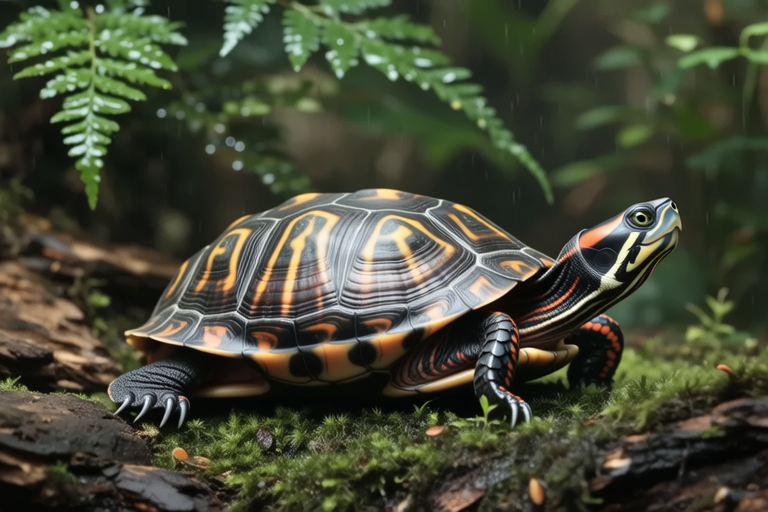
The three-striped box turtle (Terrapene carolina triunguis) is a small, charming reptile that has captured the hearts of many nature lovers. Known for its endearing appearance and remarkable resilience, this turtle is a favorite among turtle enthusiasts. With its distinctive three-striped pattern and gentle demeanor, the three-striped box turtle is a delightful addition to any backyard or terrarium. This article will guide you through everything you need to know about this adorable and hardy creature.
Introduction: The Charm and Resilience of the Three-Striped Box Turtle
With its small stature and friendly face, the three-striped box turtle is an enchanting sight. Its natural beauty is complemented by its remarkable ability to thrive in various environments. These turtles are known for their longevity and can live up to 40 years or more when properly cared for. Their resilience and adaptability make them a popular choice for both novice and experienced reptile owners. Whether you’re a seasoned herpetologist or simply a nature lover, the three-striped box turtle offers a rewarding and fascinating experience.
Physical Characteristics: The Distinctive Three-Striped Pattern
The most striking feature of the three-striped box turtle is, unsurprisingly, its three prominent stripes. These stripes run from the head down to the neck and are typically yellow or orange in color, providing a vivid contrast against the dark brown or black shell. The shell itself is domed and hinged, allowing the turtle to retract its limbs and head completely inside for protection. Males and females can be distinguished by their plastron (the underside of the shell). Males have a concave plastron, which helps them mount females during mating, while females have a flat plastron. Additionally, males often have red eyes, while females tend to have brown or yellow eyes.
Habitat Preferences: A Versatile Dweller
Native to the central United States, the three-striped box turtle thrives in a variety of habitats, including woodlands, grasslands, and marshes. They prefer areas with plenty of vegetation, where they can hide from predators and seek refuge from extreme weather conditions. In the wild, these turtles are often found near water sources, but they are not strong swimmers. Instead, they enjoy soaking themselves in shallow water to maintain hydration. When kept as pets, it’s important to replicate these natural conditions as closely as possible to ensure the turtle’s well-being.
Diet Requirements: A Balanced and Varied Menu
The three-striped box turtle is an omnivore, meaning it requires a balanced diet of both plant matter and animal protein. In the wild, their diet consists of insects, worms, snails, berries, and other fruits. As pets, they should be fed a mix of commercial turtle food, leafy greens, and occasional treats like mealworms or earthworms. It’s crucial to avoid overfeeding, especially with protein-rich foods, as this can lead to health issues such as shell deformities. A varied diet ensures that your turtle gets all the necessary nutrients for optimal health.
Common Behaviors: Understanding Your Pet’s Needs
Three-striped box turtles are generally calm and docile creatures, making them ideal pets for those who appreciate a low-maintenance yet interactive companion. They are active during the day, spending time basking in the sun or exploring their environment. In captivity, providing a heat lamp or basking spot is essential for their thermoregulation. These turtles also exhibit curious behavior, often investigating new objects or rearranging items in their enclosure. However, they are not particularly social animals, so it’s best to keep them singly or in pairs to avoid stress.
Care Tips: Ensuring a Happy and Healthy Turtle
Housing
When setting up a home for your three-striped box turtle, it’s important to create an environment that mimics its natural habitat. An indoor enclosure should be spacious, with a minimum size of 4 square feet for one adult turtle. Outdoor enclosures are preferable if the climate allows, as they provide more space and opportunities for natural behavior. The enclosure should include a shallow water dish for soaking, a hiding spot made from logs or rocks, and a variety of plants for enrichment. Substrate should be safe for digging and easy to clean, such as coconut fiber or cypress mulch.
Feeding
As mentioned earlier, a balanced diet is crucial for the health of your three-striped box turtle. Feed your turtle every two to three days, offering a mix of commercial turtle pellets, fresh vegetables, and occasional protein sources. Avoid feeding them iceberg lettuce, as it lacks nutritional value. Also, ensure that all food is appropriately sized for their mouth and digestive system to prevent choking or impaction.
Health Maintenance
Regular health checks are vital for keeping your turtle in top condition. Look out for signs of illness such as lethargy, loss of appetite, or unusual behavior. Common health issues include respiratory infections, shell rot, and vitamin deficiencies. To prevent these problems, maintain proper hygiene in the enclosure, provide adequate lighting and temperature, and schedule routine visits with a veterinarian specializing in reptiles.
Conclusion: Why the Three-Striped Box Turtle Makes an Excellent Pet
The three-striped box turtle is a wonderful choice for anyone looking for a unique and rewarding pet. Its charming appearance, combined with its adaptability and low-maintenance needs, makes it an ideal companion for both beginners and experienced reptile owners. By understanding and meeting its specific care requirements, you can ensure that your turtle lives a long and healthy life. With proper attention and care, the three-striped box turtle will bring joy and fascination to your home, providing endless opportunities for observation and interaction. Whether you’re captivated by its distinct three-striped pattern or impressed by its resilience, this little turtle is sure to become a beloved member of your family.
