Adorable Ears and Gentle Hearts: Caring for Your Lop Rabbit
Welcome to the wonderful world of lop rabbits! These adorable creatures, known for their floppy ears, gentle dispositions, and charming personalities, have captured the hearts of many pet lovers. Whether you’re a seasoned rabbit owner or just starting out, this guide will help you understand the unique needs and characteristics of lop rabbits, ensuring they live happy, healthy lives.
Lop Rabbit Breeds
Lop rabbits come in several varieties, each with its own distinct charm. The most popular include the French Lop, American Fuzzy Lop, and English Lop. French Lops are known for their robust build and large size, while American Fuzzy Lops are smaller, fuzzy, and often considered ideal for families. English Lops have the longest ears among lop breeds, making them stand out. Each breed has its own set of care requirements, so it’s important to research thoroughly before bringing one home.
Unique Ear Characteristics
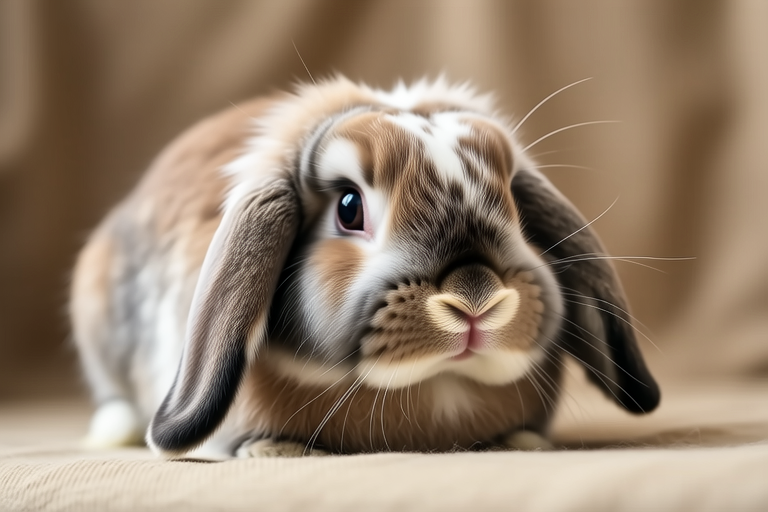
The most distinguishing feature of lop rabbits is their ears, which hang down by their sides. These ears are not only cute but also serve as a natural cooling system, helping the rabbit regulate its body temperature. It’s crucial to ensure that these ears are kept clean and free from infections. Regular cleaning can prevent issues such as ear mites and bacterial infections.
Ideal Living Conditions
Lop rabbits thrive in spacious environments where they can move freely. A large cage or a dedicated indoor space is ideal, providing ample room for exercise and play. Outdoor hutches are also acceptable, provided they are weatherproof and secure against predators. Ensure that your lop rabbit has access to fresh air and plenty of sunlight, but protect them from extreme temperatures and direct sunlight. Providing tunnels, toys, and hiding spots will keep them mentally stimulated and entertained.
Dietary Needs
A balanced diet is essential for maintaining your lop rabbit’s health. Their primary food source should be hay, which aids digestion and keeps their teeth healthy. Pellets should be given in moderation, as they are high in calories. Fresh vegetables and fruits can be offered in small quantities as treats. Always introduce new foods gradually to avoid digestive upset. Fresh water should always be available, and it’s a good idea to change it daily.
Grooming Tips
Grooming is an important part of caring for your lop rabbit. Brushing their fur regularly helps remove loose hair and prevents matting. Long-haired breeds like the English Lop may require more frequent brushing. Pay special attention to their ears, keeping them clean and dry. Trimming nails is also necessary; however, this should be done carefully to avoid cutting the quick, which can cause bleeding. If unsure, consult a veterinarian or a professional groomer.
Common Health Issues
Lop rabbits are generally healthy, but they are prone to certain health issues. Dental problems are common, especially if they don’t have enough hay in their diet. Regular dental check-ups can help catch any issues early. Ear infections can occur if the ears are not kept clean. Respiratory issues, such as sneezing and nasal discharge, may indicate a problem and should be checked by a vet. Obesity can lead to heart disease and other health complications, so maintaining a healthy weight is crucial.
Bonding and Training
Bonding with your lop rabbit is key to building a strong relationship. Spend time with them every day, allowing them to get used to your presence and handling. Gently stroke their head and back, and offer treats as positive reinforcement. Training your rabbit can be fun and rewarding. Teaching them simple commands, such as coming when called or using a litter box, can enhance their quality of life and make them easier to manage.
Responsibilities of Ownership
Owning a lop rabbit comes with significant responsibilities. Providing proper care, including regular veterinary check-ups, a balanced diet, and a safe environment, is paramount. Socialization is also important; rabbits are social animals and benefit from interaction with their human family and other rabbits. Be prepared to invest time and resources into their well-being. Understanding the commitment involved will ensure that you and your lop rabbit enjoy a long, fulfilling companionship.
Creating a Happy, Healthy Environment
To create a happy, healthy environment for your lop rabbit, consider their physical and emotional needs. Provide a stimulating living space with plenty of toys and activities. Ensure they have access to fresh air and sunshine, but protect them from harsh weather conditions. Regular exercise is vital, so allow them supervised outdoor time if possible. Building trust and affection through consistent, gentle handling will foster a strong bond between you and your pet.
In conclusion, lop rabbits are delightful companions with unique needs and characteristics. By understanding their specific requirements and dedicating yourself to their care, you can ensure that your lop rabbit leads a joyful and healthy life. With patience, love, and proper care, you’ll have a loyal and affectionate friend for years to come.
