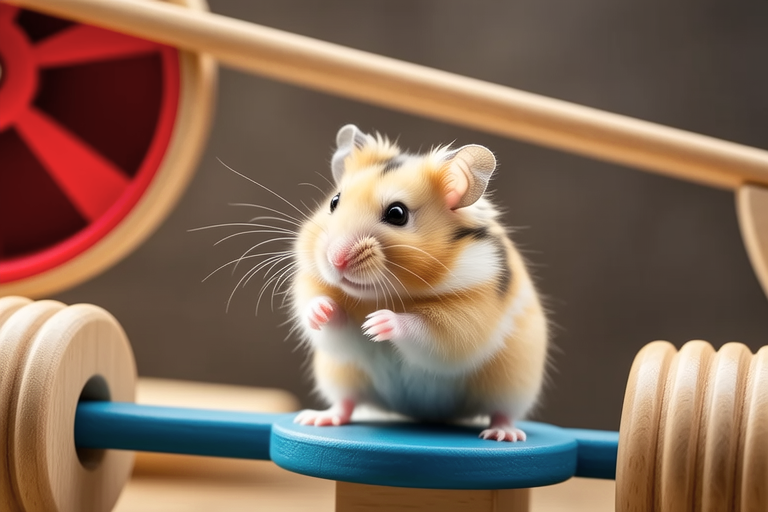
Hamster Training Tricks: Teach Your Pet Fun New Skills
Welcome to the fascinating world of hamster training! These tiny creatures are not only adorable but also surprisingly intelligent. With a little patience and the right approach, you can teach your hamster some fun new skills that will deepen your bond and provide mental stimulation. This article will guide you through the basics of hamster training, offering step-by-step instructions, tips, and tricks to help you and your furry friend have a rewarding experience.
The Intelligence of Hamsters
Hamsters are known for their curious nature and problem-solving abilities. Despite their small size, they possess remarkable intelligence, which makes them perfect candidates for training. Their natural curiosity often drives them to explore new environments and interact with their surroundings. Understanding this innate curiosity is key to successful training. By providing your hamster with stimulating activities, you can encourage learning and strengthen your relationship.
Basic Training Techniques
Training your hamster begins with establishing trust and creating a positive learning environment. Positive reinforcement is crucial; it involves rewarding desired behaviors with treats, praise, or toys. This method helps your hamster associate good behavior with pleasant outcomes, making them more likely to repeat those actions in the future. Here’s how you can start:
- Choose the Right Treats: Opt for small, healthy treats such as sunflower seeds, pumpkin seeds, or small pieces of fruits. Avoid sugary snacks that could harm your hamster’s health.
- Establish a Routine: Train at the same time each day when your hamster is most active and alert, usually in the evening or early morning.
- Use a Clicker: A clicker can be an effective tool in training. The sound it makes helps mark the exact moment your hamster performs the desired action. Follow the click with a treat to reinforce the behavior.
Specific Tricks to Teach Your Hamster
Once you’ve laid the foundation with positive reinforcement, you can move on to teaching your hamster some fun tricks. Here are a few popular ones:
Running Through Tunnels
This trick not only entertains your hamster but also provides exercise. To train your hamster to run through tunnels:
- Place a short tunnel at one end of the cage.
- Encourage your hamster to enter the tunnel by gently nudging it from behind or placing a treat inside.
- When your hamster comes out the other side, reward it with a treat and praise.
- Gradually increase the length of the tunnel and add more turns to make it more challenging.
Retrieving Small Objects
Teaching your hamster to retrieve objects can be both entertaining and mentally stimulating:
- Select a small, lightweight object like a ping pong ball or a tiny toy car.
- Place the object near your hamster and gently roll it towards them.
- Praise your hamster when they show interest in the object.
- Gradually encourage them to pick up the object and bring it back to you using treats as rewards.
The Importance of Patience and Consistency
Patience and consistency are vital in hamster training. Each hamster learns at its own pace, so it’s important to remain patient and not rush the process. Keep training sessions short (around 5-10 minutes) to maintain your hamster’s attention. Consistency is equally important; regular, structured training sessions help your hamster understand what is expected of them.
Remember, every hamster is unique. Some may catch on quickly, while others might take more time. Be patient and adjust your approach based on your hamster’s individual needs.
Setting Up a Safe and Stimulating Training Environment
A well-prepared environment is essential for successful training. Ensure that the area is free from distractions and potential hazards. Use a flat surface with soft bedding or a towel to prevent accidents. Provide plenty of hiding spots and tunnels to keep your hamster comfortable and engaged. Additionally, having a variety of toys and obstacles can enhance the training experience and keep your hamster entertained.
It’s also important to ensure the temperature is comfortable for your hamster, as they are sensitive to extreme temperatures. A room that is too hot or cold can cause stress, making it difficult for your hamster to focus on training.
Understanding Your Hamster’s Body Language
Recognizing your hamster’s body language is crucial for a successful training session. Hamsters communicate through various behaviors, and understanding these signals can help you gauge their mood and well-being. Signs of happiness include relaxed posture, grooming, and playing. Conversely, signs of stress or discomfort might include flattened ears, rapid breathing, or hiding in their nest.
Always pay attention to your hamster’s reactions during training. If you notice any signs of stress, take a break and try again another day. It’s important to create a positive association with training, ensuring that your hamster looks forward to these sessions.
Conclusion
Training your hamster can be a delightful and enriching experience for both you and your pet. By understanding their intelligence and employing positive reinforcement techniques, you can teach your hamster a variety of fun and engaging tricks. Remember to be patient, consistent, and attentive to your hamster’s needs. With time and effort, you’ll find yourself enjoying countless moments of joy and companionship with your clever little friend.
