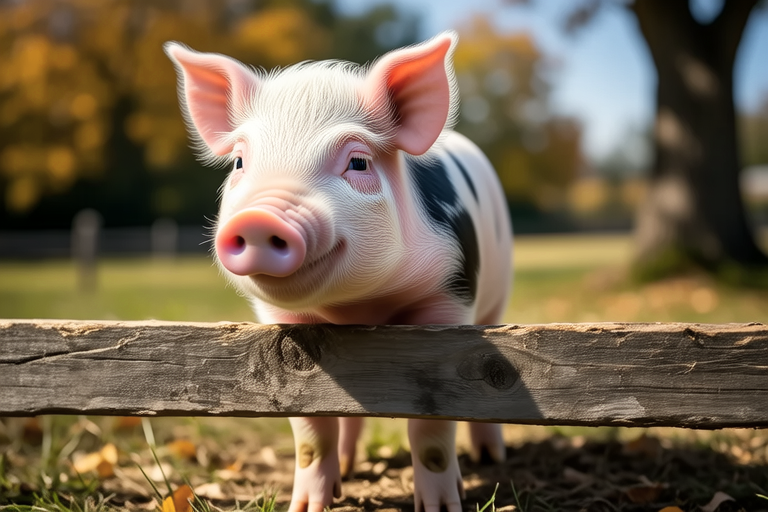
From Micro to Mighty: The Fascinating World of Mini Pigs
In recent years, mini pigs have captured the hearts of many pet lovers, becoming increasingly popular as household companions. Their compact size, gentle demeanor, and unique intelligence make them appealing to those seeking an unconventional pet. However, owning a mini pig comes with significant responsibilities and requires thorough research. This article delves into the world of mini pigs, exploring their origins, characteristics, care needs, and the impact they have on their owners and communities.
The Growing Popularity of Mini Pigs
The surge in mini pig popularity can be attributed to their distinctive traits that set them apart from traditional pets. These animals are intelligent, social, and affectionate, forming strong bonds with their human families. Their relatively small size compared to standard farm pigs makes them more manageable in urban settings, although it’s important to note that ‘mini’ can be misleading. Understanding the differences between true micro pigs and their larger relatives is crucial for potential owners.
Origins and Types of Mini Pigs
Mini pigs trace their lineage back to Southeast Asia, where they were originally bred for their smaller size. Over time, selective breeding has resulted in various breeds, each with its own distinct features. True micro pigs, also known as teacup or nano pigs, are the smallest variety, often weighing less than 70 pounds. In contrast, pot-bellied pigs, another popular breed, can grow up to 200 pounds. It’s essential for prospective owners to understand these differences before making a commitment.
Unique Characteristics of Mini Pigs
One of the most fascinating aspects of mini pigs is their intelligence. They rank among the smartest animals, capable of solving puzzles, learning commands, and even using simple tools. Their curiosity and problem-solving abilities make training both enjoyable and rewarding. Additionally, mini pigs are highly social creatures, thriving in environments where they receive ample attention and interaction. Despite their small stature, they require plenty of space to explore and play, ensuring mental and physical stimulation.
Temperament and Care Requirements
Mini pigs are generally friendly and docile, but their behavior can vary based on individual personality and upbringing. Early socialization and positive reinforcement training are key to fostering good behavior. Proper care involves providing a balanced diet, regular exercise, and routine veterinary check-ups. Their dietary needs include high-quality pig-specific feed, supplemented with fresh vegetables and fruits. Housing should offer protection from harsh weather conditions and sufficient room for movement.
Misconceptions About Mini Pigs
One of the most common misconceptions about mini pigs is their size. Many people mistakenly believe that all mini pigs will remain tiny throughout their lives. In reality, while some breeds like teacup pigs may stay small, others can grow significantly larger. Another misconception concerns their lifespan; mini pigs typically live between 12 to 20 years, depending on factors such as genetics and care.
Tips for Potential Owners
For those considering adopting a mini pig, several steps can ensure a smooth transition:
- Research thoroughly: Understand the specific needs of the breed you’re interested in.
- Prepare your home: Ensure there’s enough space and appropriate facilities for your new pet.
- Consult professionals: Work with veterinarians experienced in pig care to address health concerns.
- Establish routines: Create consistent feeding and exercise schedules to promote well-being.
- Invest in training: Enroll in classes or seek guidance from trainers familiar with pigs.
The Impact of Mini Pigs on Their Owners and Communities
Owning a mini pig can profoundly affect one’s life, offering companionship, emotional support, and opportunities for community engagement. Many owners report enhanced mental health benefits, citing reduced stress and increased happiness. Moreover, these animals often participate in therapy programs, visiting hospitals, schools, and nursing homes to bring joy to others.
However, it’s vital to approach mini pig ownership responsibly. Adhering to local regulations, providing adequate care, and promoting ethical breeding practices contribute positively to the community. By doing so, owners help maintain the reputation of mini pigs as wonderful companions.
Conclusion
From Micro to Mighty showcases the diverse and captivating world of mini pigs. While they offer numerous benefits, owning one demands careful consideration and commitment. By educating oneself about these remarkable animals and embracing responsible pet ownership, individuals can enjoy lasting relationships with these intelligent, loving creatures. As the popularity of mini pigs continues to grow, it’s essential for enthusiasts to advocate for their welfare and celebrate the unique bond shared between humans and these extraordinary animals.
