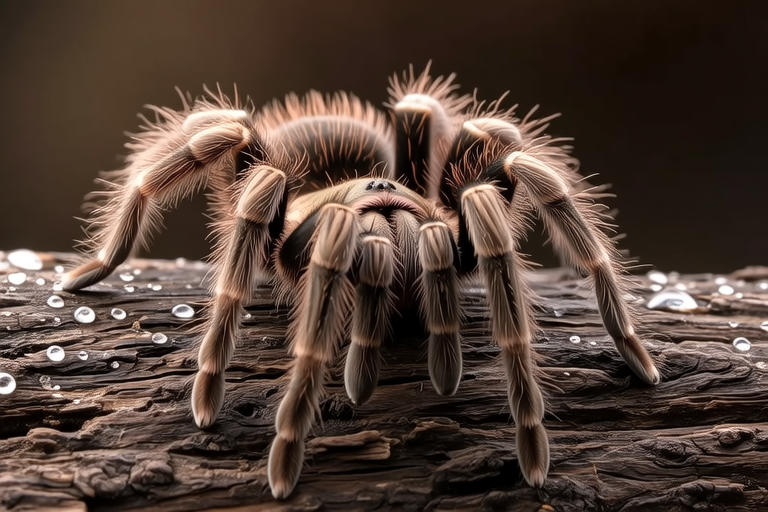
From Fear to Fascination: Transforming Perceptions of Tarantulas as Pets
Tarantulas have long been shrouded in fear and misunderstanding, often portrayed as terrifying creatures in popular culture. However, these misunderstood arachnids are fascinating pets that can offer a unique and rewarding experience for those willing to look beyond the myths. This article aims to dispel common misconceptions about tarantulas, provide scientific insights into their behavior, diet, and care requirements, and highlight the unique appeal of keeping them as pets.
Dispelling Common Misconceptions
One of the most pervasive misconceptions about tarantulas is that they are aggressive and dangerous. While it’s true that tarantulas can bite, their venom is generally mild and comparable to a bee sting. In fact, most tarantula species are quite docile and prefer to avoid confrontation. Another myth is that all tarantulas are large and hairy. While some species, like the Goliath birdeater, are indeed massive, there are many smaller and less intimidating varieties available as pets.
Another misconception is that tarantulas are solitary and unresponsive. While tarantulas are primarily solitary creatures, they can exhibit interesting behaviors and interactions with humans when properly handled. Additionally, tarantulas are not inherently dirty or smelly; with proper care, they can be kept clean and odor-free.
Scientific Facts About Tarantulas
Behavior
Tarantulas belong to the family Theraphosidae and are found in various habitats around the world, from deserts to rainforests. They are nocturnal predators, hunting insects, small vertebrates, and other arthropods. Tarantulas rely heavily on their sense of touch and vibrations to locate prey, using specialized hairs on their legs to detect movement. Their powerful fangs allow them to inject venom into their victims, immobilizing them before consuming them.
While tarantulas are generally solitary, they do engage in social behaviors during mating. Male tarantulas often perform elaborate courtship dances to attract females, which can involve drumming their legs on the ground or waving their pedipalps (appendages near the mouth). After mating, the male typically retreats, as females may consume the male if given the opportunity.
Diet
The dietary habits of tarantulas vary depending on the species and size. Smaller tarantulas primarily feed on insects such as crickets, mealworms, and wax moths. Larger species may consume mice, lizards, and even small birds. It’s important to note that overfeeding can lead to health issues, so feeding should be done in moderation. A general rule is to feed adult tarantulas once every one to two weeks, while younger tarantulas may require more frequent meals.
In captivity, it’s essential to provide a varied diet to ensure proper nutrition. Gut-loading feeder insects, which involves feeding the insects nutritious food before offering them to the tarantula, can enhance the nutritional value of the meal. Some owners also dust the feeder insects with calcium powder to prevent deficiencies.
Care Requirements
Creating an appropriate habitat for a tarantula is crucial for its well-being. A terrarium with a secure lid is necessary to prevent escapes. The size of the enclosure should be proportional to the size of the tarantula, with a general guideline being at least three times the length of the tarantula. Substrate, such as coconut fiber or soil, should be provided for burrowing and humidity control.
Maintaining the right temperature and humidity levels is vital for a tarantula’s health. Most tarantula species thrive in temperatures between 75°F and 85°F (24°C to 29°C) and humidity levels ranging from 60% to 80%. Heating pads or under-tank heaters can be used to maintain consistent temperatures. Regular misting or the use of a humidifier can help regulate humidity.
Proper ventilation is also essential to prevent mold growth and ensure fresh air circulation. Hiding spots, such as cork bark or artificial caves, should be provided to give the tarantula a sense of security. Additionally, a shallow water dish should be included, although tarantulas drink infrequently.
The Unique Appeal of Tarantulas as Pets
For many people, the idea of keeping a tarantula as a pet might seem unusual. However, these fascinating creatures offer several unique benefits that make them appealing as pets.
Minimal Maintenance Needs
One of the primary advantages of tarantulas as pets is their low maintenance requirements. Unlike dogs or cats, tarantulas do not need daily walks, grooming, or constant attention. With proper care, a tarantula can live for up to 20 years, making them a long-term commitment. Their simple care routine includes regular feeding, occasional cleaning of the enclosure, and monitoring environmental conditions.
Because tarantulas are relatively inactive compared to other pets, they are ideal for individuals who lead busy lives or have limited space. Their quiet nature and minimal upkeep make them perfect for apartment dwellers or those who want a low-maintenance companion.
Intriguing Personalities
Contrary to popular belief, tarantulas can exhibit distinct personalities and behaviors that make them fascinating to observe. Each tarantula has its own unique temperament, with some being more outgoing and interactive than others. Some tarantulas may respond positively to gentle handling, while others prefer to remain in their enclosure.
Owners often report that their tarantulas develop individual preferences for certain types of food or hiding spots. By observing these behaviors, owners can form a bond with their pet and better understand its needs. Additionally, tarantulas can show signs of stress or discomfort, such as increased webbing or refusal to eat, which allows owners to adjust their care accordingly.
Unique Appearance
Tarantulas come in a wide variety of colors, patterns, and sizes, making them visually striking pets. From the vibrant blue legs of the Cobalt blue tarantula to the iridescent purple hue of the Pinktoe tarantula, each species offers something unique. Some tarantulas, like the Mexican redknee, have distinctive markings that make them easily recognizable.
Moreover, tarantulas molt, shedding their exoskeleton as they grow. This process can be both fascinating and educational for owners, providing insight into the tarantula’s biology and life cycle. During molting, tarantulas may become more sensitive and require extra care, but it is a natural and essential part of their development.
Tips for New Tarantula Owners
If you’re considering adding a tarantula to your household, here are some tips to help you get started:
- Research thoroughly: Before committing to a tarantula, research different species to find one that suits your lifestyle and experience level. Consider factors such as size, temperament, and care requirements.
- Choose the right equipment: Invest in a high-quality terrarium, substrate, heating elements, and other necessary supplies. Ensure that the enclosure is escape-proof and provides ample space for your tarantula.
- Handle with care: While tarantulas can be handled, it’s important to do so gently and with respect. Always wash your hands before and after handling to avoid transferring oils or chemicals to the tarantula.
- Monitor closely: Keep a close eye on your tarantula’s behavior and health. Look for signs of stress, illness, or injury, and consult a veterinarian specializing in exotic animals if needed.
- Join a community: Connect with other tarantula enthusiasts through online forums, local clubs, or social media groups. These communities can provide valuable advice, support, and resources for new and experienced owners alike.
Conclusion
Tarantulas are far more than just misunderstood arachnids—they are captivating creatures that can bring joy and fascination to their owners. By dispelling common misconceptions and providing accurate information about their behavior, diet, and care requirements, we can transform perceptions of tarantulas as pets. Their minimal maintenance needs, intriguing personalities, and unique appearance make them ideal companions for those seeking a low-maintenance, high-reward pet. Whether you’re a seasoned reptile keeper or a first-time pet owner, tarantulas offer a truly unique and rewarding experience.
