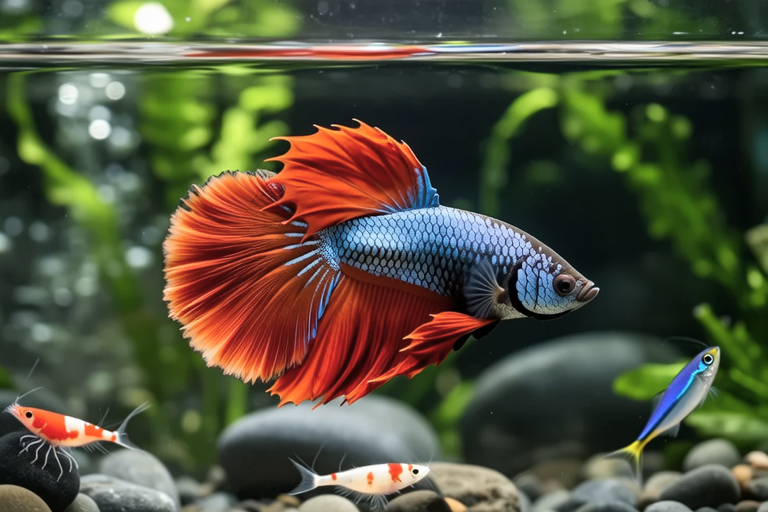
The Ultimate Guide to Choosing the Right Tank Mates for Your Betta
Introduction:
Selecting the right tank mates for your betta fish is crucial for their health and well-being. Bettas, also known as Siamese fighting fish, have a reputation for being aggressive, but with careful selection, they can coexist peacefully with other species. The wrong tank mates can lead to stress, injury, or even death for your betta. This guide will help you choose compatible tank mates, set up a harmonious community tank, and monitor your betta’s interactions.
Common Misconceptions About Betta Compatibility:
One common misconception is that bettas can only live alone. While it’s true that male bettas are territorial and may fight with each other, there are many species that can coexist peacefully. Another myth is that bettas can live with any small fish. In reality, certain species are too small, too active, or too similar in appearance to be safe tank mates.
Suitable Tank Mates:
Here’s a detailed list of suitable tank mates for bettas, along with their behavior and care requirements:
- Guppies: Guppies are peaceful and colorful, making them great tank mates for bettas. They are small enough to avoid aggression from the betta but large enough to swim away if needed. Guppies prefer warmer water, so ensure the temperature is around 78-82°F (25-28°C).
- Rummy Nose Tetras: These tetras are active swimmers and can add color to your tank. They require a school of at least six individuals to feel secure. Keep the water temperature between 74-80°F (23-27°C) and maintain a pH level of 6.0-7.5.
- Corydoras Catfish: These bottom-dwelling catfish are gentle and won’t compete for food with the betta. They thrive in slightly cooler temperatures (72-79°F or 22-26°C) and prefer soft, slightly acidic water.
- Bristlenose Plecos: Bristlenose plecos are algae eaters and can help keep your tank clean. They are nocturnal and prefer hiding places during the day. Maintain water temperatures between 72-82°F (22-28°C).
- Poecilia reticulata (Mollies): Mollies are hardy and adaptable, making them excellent tank mates for bettas. They require brackish water conditions, so add aquarium salt to the tank. Keep the temperature between 75-82°F (24-28°C).
- Platies: Platies are peaceful and easy to care for, thriving in temperatures between 72-78°F (22-25°C). They come in various colors and patterns, adding visual interest to your tank.
- Dwarf Gouramis: Dwarf gouramis are labyrinth fish like bettas, so they share similar oxygenation needs. They prefer planted tanks with plenty of hiding spots. Keep the water temperature between 75-82°F (24-28°C).
Incompatible Species:
Some species are not suitable tank mates for bettas due to their aggressive nature, size, or behavior:
- Male Bettas: Male bettas are highly territorial and will fight with other males, potentially causing severe injury or death.
- Small Fish: Tiny fish like neon tetras, endlers, and ember tetras may become prey for a betta. Their small size makes it difficult for them to escape attacks.
- Active Swimmers: Fast-moving fish like danios or tiger barbs can stress out bettas. The betta’s slower swimming speed makes it harder for them to compete for resources.
- Long-Finned Fish: Long-finned fish like angelfish or veil tail bettas can have their fins nipped by bettas. The betta may view the long fins as a threat or simply out of curiosity.
- Tank Size: A larger tank provides more space for your betta and its tank mates. Aim for at least a 20-gallon tank for a community setup.
- Water Conditions: Maintain stable water parameters, including temperature, pH, and hardness. Perform regular water changes to prevent ammonia and nitrite buildup.
- Decor: Add plenty of plants, caves, and driftwood to provide hiding spots and reduce stress. Ensure there are no sharp edges that could injure your betta.
Tips for Setting Up a Community Tank:
To create a harmonious community tank for your betta, follow these guidelines:
Monitoring Interactions:
Once your betta and its tank mates are settled, observe their interactions closely. Look for signs of aggression, such as fin nipping, chasing, or bullying. If you notice any issues, consider rearranging the tank layout or removing one of the fish. Regularly check the water quality and make adjustments as needed to ensure a healthy environment for all inhabitants.
Conclusion:
Choosing the right tank mates for your betta is essential for their happiness and longevity. By understanding their behavior and care requirements, you can select compatible species and set up a thriving community tank. Remember to monitor the interactions between your betta and its tank mates and adjust the environment as necessary. With proper care and attention, your betta can enjoy a peaceful and fulfilling life alongside its tank mates.
