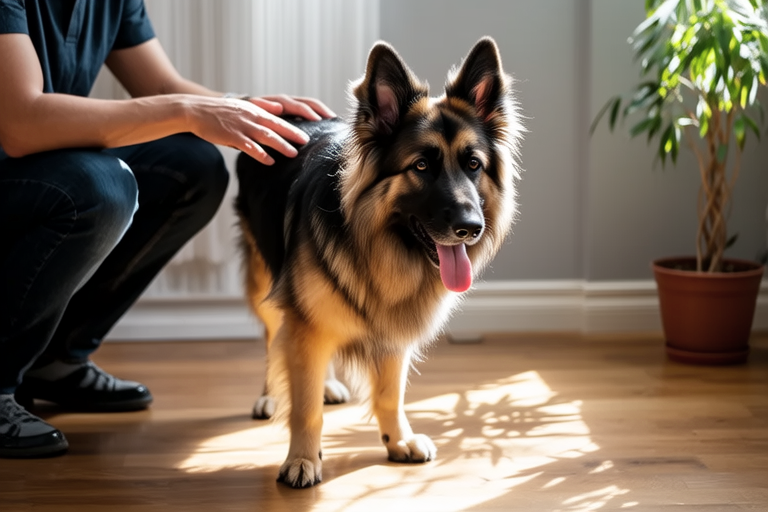
Living with a German Shepherd: Insider Tips for First-Time Owners
Welcome to the wonderful world of German Shepherds! These loyal, intelligent, and protective dogs have captured the hearts of many pet lovers. If you’re a first-time owner or considering adopting one, this guide will provide you with insider tips on how to live harmoniously with your German Shepherd. From training and exercise to grooming and diet, we’ve got you covered.
Training Your German Shepherd
German Shepherds are highly intelligent and eager to please, making them excellent candidates for training. However, they can also be strong-willed, so consistency and patience are key. Start training early, ideally when your puppy is between 8 to 10 weeks old. Use positive reinforcement techniques like treats and praise to reward good behavior. Avoid harsh corrections, as these can lead to fearfulness or aggression.
Basic commands such as ‘sit’, ‘stay’, ‘come’, and ‘down’ are crucial for your dog’s safety and your peace of mind. Teach these commands in short, fun sessions, gradually increasing the duration as your dog masters each command. Socialization is equally important during this period. Expose your puppy to different environments, people, and other animals to help them grow into well-adjusted adults.
Exercise Needs
German Shepherds are active dogs that require regular exercise to stay healthy and happy. Aim for at least two hours of physical activity daily, which can include walking, running, playing fetch, or participating in agility training. This not only helps burn off excess energy but also strengthens the bond between you and your dog. Regular exercise also aids in weight management, reducing the risk of obesity-related health issues.
Consider enrolling your German Shepherd in activities like obedience classes, agility competitions, or even therapy work. These activities provide mental stimulation and keep your dog engaged. Remember, an exercised dog is generally a well-behaved dog, so make sure to dedicate time for play and exercise every day.
Grooming Your German Shepherd
German Shepherds have a double coat that requires regular grooming to prevent matting and shedding. Brush your dog at least twice a week, more frequently during shedding season. A slicker brush works best for removing loose hair and preventing tangles. Additionally, bathe your dog every few months or as needed, using a dog-specific shampoo to avoid skin irritation.
Pay attention to your dog’s nails, ears, and teeth. Trim their nails regularly to prevent overgrowth, which can cause discomfort and affect their gait. Clean their ears weekly to prevent infections, and brush their teeth daily to maintain oral hygiene. Consistent grooming routines help your dog get used to being handled, making future grooming sessions easier.
Dietary Requirements
Feeding your German Shepherd a balanced diet is crucial for their overall health. Choose high-quality dog food that meets the nutritional needs of your dog based on their age, size, and activity level. Consult with your veterinarian to determine the appropriate amount of food per day and the best feeding schedule. Avoid overfeeding, as it can lead to obesity, joint problems, and other health issues.
Water is just as important as food. Always provide fresh water, especially after exercise or during hot weather. Consider adding supplements like glucosamine and chondroitin if your dog has joint issues. These supplements support joint health and mobility, helping your dog maintain an active lifestyle.
Socialization
Socializing your German Shepherd is essential for developing a well-rounded and friendly adult dog. Expose your puppy to various environments, people, and other animals from an early age. Take them to parks, pet stores, and friends’ houses. Introduce them to different sounds, smells, and experiences to help them become comfortable and confident in various situations.
Positive interactions with other dogs and people can prevent aggression and fearfulness. Encourage polite greetings and reward your dog for calm and friendly behavior. Remember, socialization is a continuous process, and ongoing exposure to new experiences throughout your dog’s life is beneficial.
Health Considerations
German Shepherds are prone to certain health conditions, including hip dysplasia, elbow dysplasia, and degenerative myelopathy. Regular veterinary check-ups are essential to monitor your dog’s health and catch any potential issues early. Maintain a healthy weight, provide proper nutrition, and ensure regular exercise to reduce the risk of these conditions.
Vaccinations and preventive care, such as flea and tick treatments, are vital for keeping your dog healthy. Discuss these options with your veterinarian to create a tailored plan for your German Shepherd. Early detection and treatment of any health issues can significantly improve your dog’s quality of life.
Common Behavioral Traits
German Shepherds are known for their loyalty, protectiveness, and intelligence. They often form strong bonds with their families and may exhibit guarding behaviors, particularly around strangers. While this trait can be desirable, it’s important to manage it appropriately. Encourage your dog to be friendly and welcoming, especially in social settings.
Separation anxiety is another common issue among German Shepherds. To minimize this, gradually increase the time your dog spends alone. Provide toys and puzzles to keep them occupied while you’re away. Crate training can also be beneficial, as it provides a safe and familiar space for your dog when you’re not home.
Building a Harmonious Relationship
To build a harmonious relationship with your German Shepherd, spend quality time together and establish clear boundaries. Set consistent rules and expectations, and be patient as your dog learns and grows. Engage in activities that both of you enjoy, whether it’s hiking, playing fetch, or simply lounging together.
Communicate effectively with your dog through body language and vocal cues. Praise and reward good behavior, and redirect unwanted behavior gently. Building trust and respect will strengthen your bond and create a loving, mutually rewarding relationship.
Conclusion
Living with a German Shepherd is a rewarding experience filled with companionship, loyalty, and adventure. By understanding their unique needs and providing proper care, you can ensure a long, healthy, and joyful partnership with your furry friend. Remember, every dog is an individual, so tailor your approach to suit your German Shepherd’s personality and temperament. With dedication, love, and patience, you’ll create a beautiful and lasting bond.
