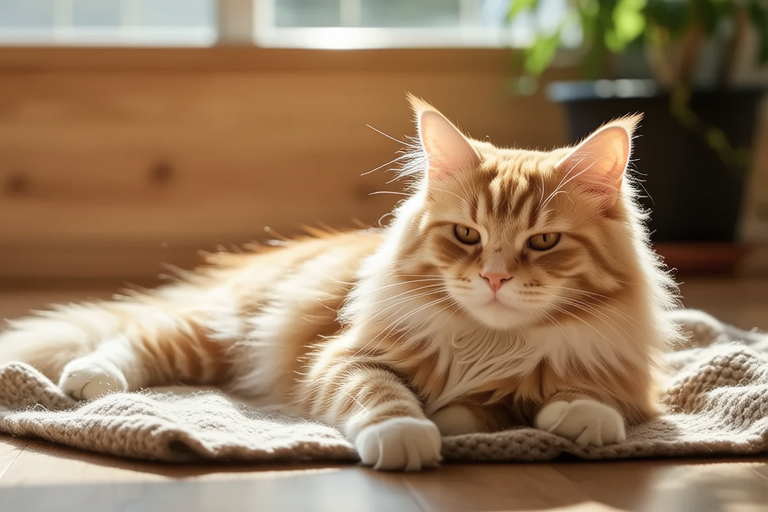
The Cozy Companion: Discover the Charm of Owning an Orange Cat
Welcome to a world where warmth and charm come in the form of a purring, orange bundle of fur. Orange cats have long captured the hearts of pet lovers with their striking appearance and unique personalities. These feline friends bring more than just beauty; they offer companionship, comfort, and endless entertainment. This article delves into the world of orange cats, exploring their origins, physical attributes, temperaments, and the joys of caring for them.
Understanding the Unique Appeal of Orange Cats
Orange cats, often referred to as ginger or marmalade cats, stand out with their vibrant coats that range from light cream to deep copper. Their striking coloration is not just visually appealing but also linked to genetics. The gene responsible for orange coloring is found only on the X chromosome, making it more common in female cats who have two X chromosomes. However, male cats can also inherit this trait if they receive the orange gene from both parents.
One of the most endearing aspects of orange cats is their friendly and social nature. They are known for their playful demeanor and affectionate behavior towards their human companions. Many owners describe their orange cats as being particularly attached to their families, often seeking out attention and cuddles. This close bond makes them ideal companions for those looking for a feline friend who enjoys spending time with people.
Origins and Physical Characteristics
The history of orange cats dates back centuries, with depictions of these colorful felines appearing in ancient Egyptian art. In fact, many believe that the domestication of cats began with their ability to hunt rodents, which made them valuable assets to human settlements. Over time, selective breeding has led to the development of various breeds that feature orange coloring, including the Maine Coon, American Shorthair, and Persian.
Physically, orange cats tend to have strong, muscular bodies with medium to large frames. Their eyes often complement their coat, ranging from green to gold, adding to their striking appearance. The texture of their fur can vary depending on the breed, with some having short, dense coats while others possess longer, silky hair. Regardless of breed, all orange cats share a certain elegance and grace that captivates observers.
Temperament and Personality Traits
Orange cats are generally known for their sociable and easygoing personalities. They tend to get along well with other pets and children, making them excellent additions to households with multiple occupants. Their playful nature keeps them active and engaged, ensuring they remain entertained without becoming bored. Many orange cats enjoy interactive toys and games, providing hours of fun for both owner and pet alike.
Despite their outgoing nature, orange cats can also be independent when necessary. They appreciate having their own space and may retreat to quiet corners during times of rest or reflection. This balance between social interaction and personal space contributes to their overall adaptability, allowing them to thrive in various living environments.
Caring for Your Orange Cat
Dietary Needs
Proper nutrition is essential for maintaining your orange cat’s health and vitality. A balanced diet rich in protein, vitamins, and minerals supports their growth and energy levels. High-quality commercial cat food formulated specifically for your cat’s age, size, and activity level is recommended. Additionally, incorporating fresh ingredients like cooked chicken or fish can enhance their mealtime experience while providing additional nutrients.
Ensure your orange cat stays hydrated by providing clean water at all times. Consider using a water fountain designed for cats, as many prefer running water over still pools. Regular feeding schedules help regulate digestion and prevent overeating, promoting optimal weight management.
Grooming Requirements
Regular grooming helps maintain your orange cat’s coat and skin health. Brushing your cat several times a week removes loose hairs, prevents matting, and stimulates natural oils that keep their fur shiny and healthy. Depending on the length of their coat, you may need specialized brushes or combs. For long-haired breeds, daily brushing might be necessary to prevent tangles.
Bathing your orange cat occasionally, especially if they have sensitive skin or allergies, can help manage dander and reduce shedding. Use a gentle shampoo specifically formulated for cats, and always dry them thoroughly afterward to prevent chills. Pay special attention to areas prone to matting, such as behind the ears and under the tail.
Health Considerations
While orange cats are generally healthy, they may be predisposed to certain conditions due to their genetic makeup. Hypertrophic cardiomyopathy (HCM), a heart disease, is one concern that requires regular monitoring through veterinary check-ups. Early detection allows for prompt intervention and improved quality of life.
Tooth decay is another common issue among orange cats, particularly those with flat faces or small mouths. Daily toothbrushing using cat-safe toothpaste helps prevent plaque buildup and gum disease. Provide dental treats or chew toys to encourage chewing, further promoting oral hygiene.
Vaccinations and routine vet visits are crucial for preventing illnesses and addressing any potential health concerns early. Discuss specific vaccination schedules and preventive care measures with your veterinarian based on your cat’s lifestyle and risk factors.
The Bond Between Humans and Orange Cats
The relationship between humans and orange cats is often characterized by deep affection and mutual understanding. Stories abound of orange cats providing emotional support during challenging times, offering comfort through their presence alone. One such story involves an elderly woman named Margaret who adopted an orange kitten named Charlie after losing her husband. Initially skeptical about keeping a pet, Margaret soon found herself drawn to Charlie’s playful antics and comforting purrs. Over time, Charlie became her constant companion, helping her navigate grief and rediscover joy in everyday moments.
Another example comes from Sarah, whose family welcomed an orange tabby named Luna into their home. Luna quickly bonded with Sarah’s young daughter, Emily, teaching her responsibility and empathy through gentle interactions. The bond between mother and child grew stronger as they shared experiences caring for Luna together.
Adopting an Orange Cat
If you’re considering adding an orange cat to your family, there are several steps to ensure a smooth transition. Begin by researching local shelters and rescue organizations specializing in orange cats. Many shelters have detailed profiles outlining each cat’s personality, medical history, and preferences, aiding in finding the perfect match.
Once you’ve selected a potential candidate, arrange a meet-and-greet session to assess compatibility. Allow the cat to explore its surroundings at its own pace, observing how it interacts with you and your household members. Pay attention to body language cues indicating comfort or discomfort.
After bringing your new orange cat home, create a welcoming environment by setting up a designated sleeping area equipped with cozy bedding. Gradually introduce new routines and items, giving your cat time to adjust. Offer reassurance through verbal praise and physical affection, reinforcing positive associations with their new surroundings.
Embrace the journey of raising an orange cat, knowing that each day brings opportunities for growth, learning, and shared laughter. Their presence will undoubtedly brighten your home and enrich your life in ways you never imagined.
