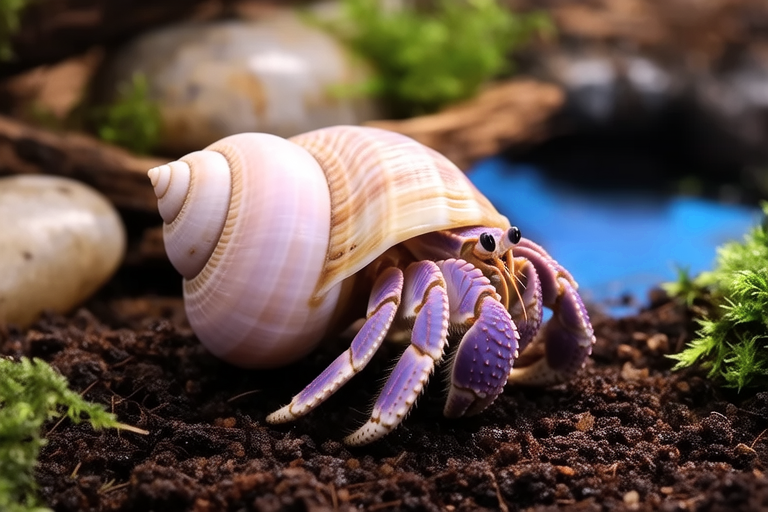
Top Secrets for Keeping Your Hermit Crab Happy and Healthy at Home
Welcome to the wonderful world of hermit crabs! These fascinating creatures are increasingly popular as pets due to their unique appearance and relatively low maintenance requirements. However, ensuring your hermit crab’s happiness and health requires understanding their specific needs and creating an environment that closely mimics their natural habitat. This guide will provide you with essential tips on habitat setup, temperature and humidity control, diet specifics, safe substrate options, enrichment activities, and signs of a healthy crab. Let’s dive in and learn how to give your hermit crab the best possible life at home.
Setting Up the Perfect Habitat
The first step in keeping your hermit crab happy and healthy is setting up a suitable habitat. Hermit crabs thrive in environments that resemble their natural tropical homes. Here’s what you need:
- Size Matters: A 10-gallon tank is recommended for a small group of crabs. More space allows for better circulation and less stress for your pets.
- Hiding Places: Provide plenty of hiding spots such as caves, tunnels, and coconut shells. These help reduce stress and encourage natural behaviors.
- Substrate: Use a mix of sand and coconut fiber to create a comfortable substrate layer. The depth should be sufficient for burrowing, typically about 3 inches.
- Decorations: Add rocks, driftwood, and other natural elements to mimic their natural surroundings. Avoid sharp or toxic materials.
Temperature and Humidity Control
Maintaining the right temperature and humidity levels is crucial for your hermit crab’s well-being. Tropical temperatures range between 75-85°F (24-29°C), with humidity levels around 70-80%. Here’s how to achieve this:
- Heating: Use a heat lamp or under-tank heater to maintain consistent warmth. Ensure there’s a thermal gradient within the tank so crabs can move to cooler areas if needed.
- Humidity: Maintain humidity using a hygrometer and by misting the enclosure daily. A water dish also helps increase humidity.
Diet Specifics: What Do Hermit Crabs Eat?
Your hermit crab’s diet plays a significant role in its health. They are omnivores and enjoy a varied diet:
- Protein Sources: Offer protein-rich foods like fish flakes, mealworms, and boiled shrimp. Ensure these are fresh and balanced.
- Fruits and Vegetables: Provide a selection of fruits and vegetables, such as apples, bananas, carrots, and spinach. Remove any uneaten food to prevent spoilage.
- Vitamins and Minerals: Supplement their diet with calcium and multivitamins specifically formulated for hermit crabs.
- Water: Provide a shallow dish of dechlorinated or distilled water for drinking and soaking. Change the water regularly to avoid contamination.
Safe Substrate Options
The substrate is where your hermit crab spends most of its time, so it must be safe and appropriate. Here are some good choices:
- Sand and Coconut Fiber Mix: This combination provides a soft surface for digging and burrowing while maintaining moisture.
- Avoid Sharp Objects: Stay away from gravel, crushed coral, or any material that could injure your crab.
- Regular Maintenance: Keep the substrate clean by removing waste and replacing it periodically to prevent bacterial growth.
Enrichment Activities: Keeping Your Hermit Crab Active and Engaged
Hermit crabs are naturally curious and active, so providing enrichment activities is important for their mental stimulation:
- Exploration Opportunities: Rotate toys and decorations to keep the environment interesting.
- Foraging: Hide treats in the substrate to encourage natural foraging behavior.
- Social Interaction: If you have multiple crabs, observe them interacting and provide enough space and resources for each one.
Signs of a Healthy Crab
Monitoring your hermit crab’s health is key to preventing issues before they become serious. Here are some indicators of a healthy crab:
- Active Behavior: Crabs should be moving around, exploring, and interacting with their environment.
- Shell Changes: Healthy crabs will periodically change shells when given the opportunity.
- Growth: Look for signs of molting, which indicates healthy growth.
- No Signs of Disease: Healthy crabs have clear eyes, strong limbs, and no signs of infection or parasites.
Common Pitfalls in Hermit Crab Care
Even experienced pet owners can make mistakes. Here are some common pitfalls to avoid:
- Overcrowding: Too many crabs in a small space can lead to stress and aggression.
- Inadequate Ventilation: Poor air circulation can cause respiratory issues.
- Incorrect Temperature and Humidity: Extremes can lead to dehydration, overheating, or respiratory distress.
- Poor Diet: Feeding inappropriate or spoiled food can cause digestive problems.
Mimicking Their Natural Environment
The goal of hermit crab care is to replicate their natural environment as closely as possible. This means:
- Tropical Climate: Hermit crabs come from tropical regions, so recreate that climate in your home.
- Humid Atmosphere: Maintaining high humidity is crucial for their respiratory system.
- Safe Hiding Spots: Provide secure places where they can retreat when stressed.
- Variety in Diet: Offer a diverse diet to ensure they get all necessary nutrients.
Conclusion
Caring for hermit crabs is a rewarding experience that brings joy and companionship into your home. By following these tips and maintaining a close eye on their health and behavior, you can ensure your hermit crab leads a long, happy, and healthy life. Remember, the key is to provide a nurturing environment that closely mirrors their natural habitat. With dedication and care, your hermit crab will thrive and bring endless fascination to your household.
