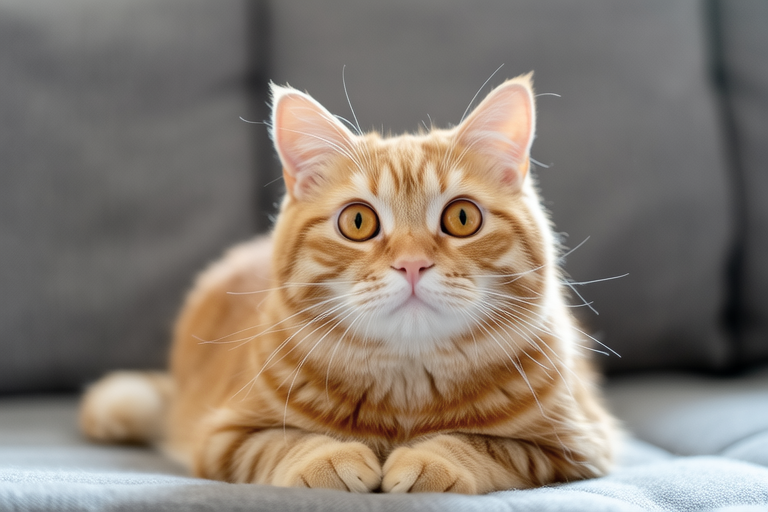
Short-Haired Cats in America: Origins, Characteristics, and Popularity
Short-haired cats have long been cherished companions in American households. Their popularity can be attributed to their distinct characteristics, adaptability, and low maintenance grooming needs. This article explores the origins, characteristics, and popularity of short-haired cats in America, providing an in-depth look at their history, unique traits, common breeds, and reasons behind their status as America’s favorite feline companions.
Origins and History
The history of short-haired cats in America dates back to the early settlers who brought domesticated cats from Europe to control rodent populations. Over time, these cats interbred with native wildcats, leading to the development of several popular short-haired breeds in the United States. The first recognized cat show in America was held in 1895 in Madison Square Garden, New York, which further boosted the popularity of short-haired cats.
Characteristics and Unique Traits
Short-haired cats are known for their sleek, smooth coats that require minimal grooming. They come in a wide range of colors and patterns, making them visually appealing. Their active and playful nature makes them ideal companions for families and individuals seeking interactive pets. Short-haired cats are also known for their intelligence, curiosity, and ability to learn tricks.
Common Breeds
- American Shorthair: One of the most popular short-haired breeds in America, the American Shorthair is known for its sturdy build, friendly demeanor, and adaptability. It has a medium-length coat that requires occasional brushing.
- British Shorthair: Known for its round face, compact body, and plush coat, the British Shorthair is a popular choice among cat lovers. Its calm and affectionate nature makes it an excellent companion for families.
- Ragdoll: Despite having a semi-long coat, the Ragdoll is often considered a short-haired breed due to its low-maintenance grooming requirements. It is known for its docile and affectionate personality, making it a perfect lap cat.
- Maine Coon: Often referred to as “gentle giants,” Maine Coons are large, intelligent, and sociable cats. Their dense, water-repellant coat requires regular grooming, but they are generally easy to care for.
Grooming Needs
Short-haired cats typically require less grooming compared to their long-haired counterparts. Regular brushing helps remove loose fur and prevents hairballs. Bathing is usually unnecessary unless the cat gets excessively dirty. Maintaining proper dental hygiene is essential, so it is recommended to brush your cat’s teeth regularly or provide dental treats.
Health Benefits of Owning a Short-Haired Cat
Owning a short-haired cat can offer numerous health benefits. Studies have shown that interacting with cats can lower blood pressure, reduce stress, and improve overall mental well-being. Additionally, cats can help boost the immune system, particularly in children, by reducing the risk of allergies and asthma. Cats also encourage physical activity through play, contributing to a healthier lifestyle.
Temperament and Lifestyle Fit
Short-haired cats are highly adaptable and can fit various lifestyles. Their active and playful nature makes them suitable for families with children, while their affectionate and gentle demeanor appeals to seniors seeking companionship. Some breeds, like the American Shorthair, are known for their independence and can thrive in households where they are left alone for extended periods. Others, such as the Ragdoll, are more dependent and enjoy constant companionship.
Myths and Mysteries
There are several myths and mysteries surrounding short-haired cats. One common myth is that all short-haired cats are hypoallergenic. However, this is not true, as no cat breed is entirely hypoallergenic. Another myth is that short-haired cats shed less than long-haired cats. While short-haired cats may shed less frequently, they still produce dander and allergens, which can trigger allergic reactions in some individuals.
Scientific studies have debunked these myths, providing evidence-based information about cat allergies and shedding. For instance, a study published in the Journal of Allergy and Clinical Immunology found that the Fel d 1 protein, primarily produced in the saliva and sebaceous glands, is responsible for causing most cat allergies. This protein is present in both short-haired and long-haired cats, highlighting the importance of individual sensitivities rather than coat length when considering pet ownership.
Tips for Potential Owners
If you’re considering adopting a short-haired cat, here are some tips to help you prepare:
- Research Breeds: Familiarize yourself with different short-haired breeds and their specific needs to find the best match for your lifestyle.
- Visit Animal Shelters: Consider adopting a short-haired cat from a local animal shelter or rescue organization. Many shelters offer information about the cat’s background and behavior, helping you make an informed decision.
- Prepare Your Home: Ensure your home is cat-friendly by providing scratching posts, litter boxes, and toys. Install window perches to give your cat access to natural light and outdoor views.
- Establish a Routine: Develop a daily routine for feeding, playing, and grooming to strengthen the bond between you and your new cat.
- Seek Professional Advice: Consult with veterinarians and experienced cat owners for guidance on raising a healthy and happy short-haired cat.
In conclusion, short-haired cats have a rich history and continue to be beloved companions in American households. Their unique traits, adaptability, and low maintenance grooming needs make them ideal pets for various lifestyles. By understanding their origins, characteristics, and specific needs, potential owners can ensure a fulfilling and rewarding relationship with their new feline friend.
