Clownfish Myths Busted: Separating Fact from Fiction
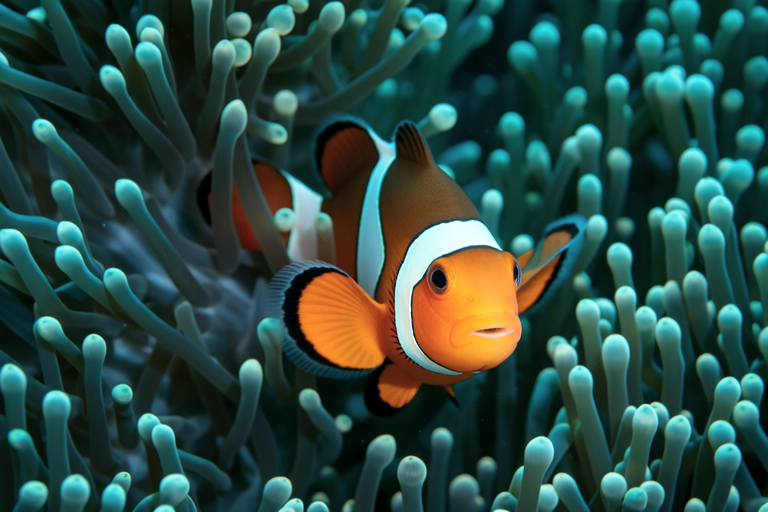
The clownfish, also known as anemonefish, has captured the hearts of many with its vibrant colors and charming behavior. Made even more famous by the animated film Finding Nemo, these fish have become a popular choice for both marine enthusiasts and casual aquarium owners. However, despite their widespread appeal, there are several misconceptions about clownfish that need to be addressed. This article aims to separate fact from fiction by debunking some of the most common myths associated with these fascinating creatures.
Myth One: All Clownfish Can Live with Anemones
One of the most enduring myths about clownfish is that they can all live harmoniously with anemones. While it’s true that some species of clownfish form symbiotic relationships with certain types of sea anemones, not all clownfish are capable of living with these cnidarians. The relationship between clownfish and anemones is a prime example of mutualism, where both organisms benefit from the association. The clownfish receives protection from predators due to the stinging tentacles of the anemone, while the anemone gains nutrients from the waste products of the clownfish.
However, only specific species of clownfish are known to coexist with anemones. For instance, the orange clownfish (Amphiprion percula) and the tomato clownfish (Amphiprion frenatus) are well-known for their symbiotic relationship with anemones like the Haddon’s carpet anemone (Stichodactyla haddoni) and the bubble tip anemone (Entacmaea quadricolor). These species have developed a resistance to the anemone’s stinging cells, called nematocysts, which allows them to live among the tentacles without being harmed. Other species of clownfish, such as the maroon clownfish (Pomacentrus moluccensis) and the pink skunk clownfish (Amphiprion perideraion), do not exhibit the same tolerance and cannot survive in an anemone’s presence.
The ability of some clownfish to live with anemones is largely attributed to their unique adaptations. Clownfish have a mucus layer on their skin that protects them from the anemone’s stings. This adaptation is thought to develop over time as the clownfish spends more time in contact with the anemone. Not all clownfish species develop this protective layer, which explains why not all can live with anemones. Therefore, the myth that all clownfish can live with anemones is inaccurate and overlooks the intricate biological adaptations required for such a relationship.
Myth Two: Clownfish Are Naturally Born Males or Females
Another prevalent myth about clownfish is that they are naturally born either male or female. In reality, clownfish have a unique reproductive system that allows them to change sex depending on the social structure of their group. This phenomenon is known as sequential hermaphroditism, where individuals can change sex at some point during their lives. In the case of clownfish, they are initially born as males and can later transition into females if necessary.
This process is triggered by social dynamics within the group. Typically, a clownfish population consists of a dominant breeding pair and several non-breeding males. If the dominant female dies, the dominant male will undergo a sex change to become the new female, ensuring the continuity of reproduction within the group. This remarkable ability allows clownfish populations to adapt to changing circumstances and maintain genetic diversity. Studies have shown that the sex change process involves significant physiological changes, including alterations in hormone levels and the development of reproductive organs typical of the opposite sex.
The misconception that clownfish are born male or female likely stems from the fact that most people observe them in aquariums or the wild, where the sex change process may not be evident. Additionally, the popular media often portrays clownfish as having fixed genders, reinforcing this misunderstanding. Understanding the true nature of clownfish reproduction is crucial for appreciating their complexity and adaptability. It also highlights the importance of preserving their natural habitats, where these social structures can function optimally.
Myth Three: Clownfish Are Easy to Care for in Home Aquariums
A third common myth about clownfish is that they are easy to care for in home aquariums. While clownfish can thrive in aquariums when provided with the right conditions, they have specific environmental requirements that must be met for their well-being. Misunderstanding these needs can lead to poor health and even death for the fish.
One of the key factors in maintaining healthy clownfish in an aquarium is water quality. Clownfish require clean, well-oxygenated water with stable parameters. Ammonia and nitrite levels should be undetectable, and nitrate levels should be kept low through regular water changes. The pH level should be maintained between 8.1 and 8.4, reflecting the alkaline waters of their natural habitat. Temperature control is also essential, with a range of 76°F to 82°F (24°C to 28°C) being ideal. Maintaining these conditions requires careful monitoring and proper filtration systems.
Another important aspect of caring for clownfish is providing adequate space. Clownfish are active swimmers and need enough room to explore and establish territories. A minimum tank size of 30 gallons (114 liters) is recommended for a single pair of clownfish, with larger tanks being preferable for multiple pairs or additional fish. Overcrowding can lead to stress and aggressive behavior, which can negatively impact the health of the fish.
Diet is another critical factor in keeping clownfish healthy. In the wild, clownfish feed on algae, plankton, and small crustaceans. In captivity, they should be offered a varied diet consisting of high-quality flake foods, frozen or live brine shrimp, and mysis shrimp. It’s important to avoid overfeeding, as excess food can pollute the water and harm the fish. Regular feeding schedules and portion control are necessary to ensure optimal nutrition.
Finally, providing suitable hiding places and decorations is vital for clownfish. They are territorial and need areas where they can retreat when feeling threatened. Rocks, caves, and plants can serve as excellent hiding spots and help create a more natural environment. Additionally, incorporating live rock into the aquarium can provide beneficial bacteria that aid in maintaining water quality.
By addressing these specific environmental conditions, hobbyists can provide a thriving environment for their clownfish. However, it’s important to recognize that even with the best care, clownfish may still face challenges in captivity. Therefore, potential aquarium owners should thoroughly research and prepare before bringing home these beautiful fish.
Conclusion
Understanding the truth behind common myths about clownfish is essential for appreciating and caring for these remarkable creatures both in nature and captivity. Debunking the myth that all clownfish can live with anemones reveals the intricate biological adaptations required for such a relationship. Clarifying the misconception about clownfish being born male or female highlights their unique reproductive abilities and social structures. Lastly, recognizing that clownfish are not easy to care for in home aquariums underscores the specific environmental conditions necessary for their well-being.
By separating fact from fiction, we gain a deeper appreciation for the complexity and beauty of clownfish. This knowledge not only enhances our enjoyment of these animals but also promotes responsible practices in aquarium keeping and conservation efforts. Ultimately, a better understanding of clownfish helps us protect their natural habitats and ensures their continued survival for future generations to admire.
