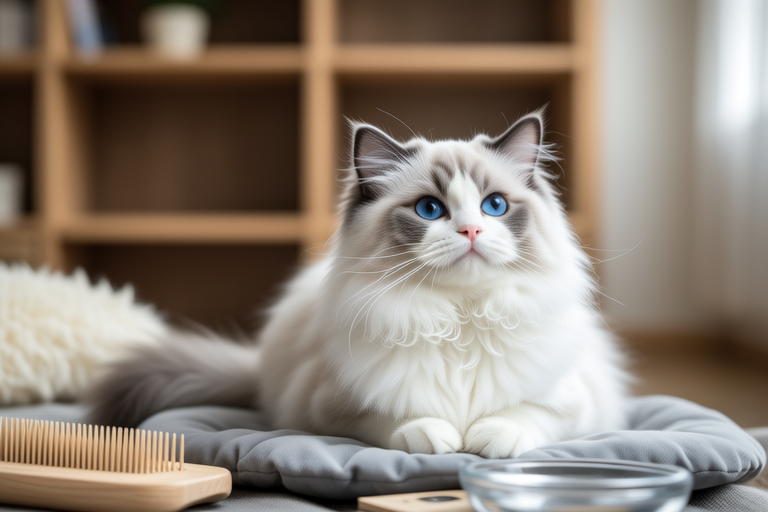
Ultimate Guide: Caring for Your Persian Cat’s Unique Needs
Persian cats are known for their luxurious coats, gentle demeanor, and striking appearance. However, these beautiful creatures come with unique care requirements that every owner should be aware of. From dietary needs to grooming routines and health concerns, this comprehensive guide will help you understand how to best care for your Persian cat.
Dietary Considerations
Feeding your Persian cat a balanced diet is crucial for maintaining its health and well-being. High-quality commercial cat food, either wet or dry, should form the core of your cat’s diet. Look for products specifically formulated for indoor or senior cats if your Persian falls into one of these categories. These diets typically have higher protein levels and fewer carbohydrates, which are beneficial for maintaining muscle mass and overall health.
In addition to commercial food, consider incorporating fresh ingredients like cooked chicken, fish, or scrambled eggs as occasional treats. Always ensure that any human food given is free from harmful substances such as onions, garlic, chocolate, and caffeine. Fresh water should always be available to keep your cat hydrated.
Grooming Essentials
The long, dense coat of a Persian cat requires regular grooming to prevent matting and tangling. Brush your cat at least three times a week, ideally daily, using a slicker brush followed by a comb. This helps remove loose hair and distribute natural oils throughout the coat. Bathing your Persian once every six weeks can also help keep its coat clean and healthy. Use a mild shampoo designed for cats and gently rinse out all soap residue to avoid skin irritation.
Trimming nails every two weeks and cleaning ears weekly with a cotton ball soaked in a vet-approved ear cleaner are other important grooming tasks. Regular dental hygiene, including brushing teeth with pet-safe toothpaste, is also vital for preventing periodontal disease.
Health Concerns Specific to Persian Cats
Persian cats are prone to certain health issues due to their genetic makeup and lifestyle. Common conditions include polycystic kidney disease (PKD), hypertrophic cardiomyopathy (HCM), and respiratory problems caused by their flattened faces. Regular veterinary check-ups are essential for early detection and management of these conditions.
Vaccinations against common feline diseases and timely deworming are necessary preventive measures. Discuss with your veterinarian about the appropriate vaccination schedule based on your location and your cat’s risk factors. Additionally, spaying or neutering your Persian can reduce the likelihood of certain cancers and behavioral issues.
Exercise Needs
Despite their elegant appearance, Persian cats require moderate physical activity to stay healthy and happy. Interactive toys, laser pointers, and puzzle feeders can stimulate both mental and physical engagement. Providing scratching posts and climbing structures encourages natural behaviors while helping maintain muscle tone.
Regular play sessions of 15-30 minutes several times a week are recommended. However, be mindful of your Persian’s energy levels; some may prefer shorter but more frequent play periods. Always supervise during playtime to ensure safety and prevent accidental injuries.
Living Environment Considerations
Creating a safe and comfortable living space is vital for your Persian cat’s happiness. A quiet area away from drafts and direct sunlight provides optimal resting spots. Soft bedding and cozy blankets add comfort. Persian cats often enjoy elevated vantage points; consider placing cat trees or shelves strategically around your home.
Toxic plants, sharp objects, and small items that could be swallowed pose hazards. Keep household cleaners and medications out of reach. Secure windows with screens to prevent accidental falls. Provide litter boxes easily accessible yet secluded areas for privacy. Clean litter boxes regularly to encourage usage.
Tips for Bonding with Your Pet
Bonding with your Persian cat involves spending quality time together through play, affection, and communication. Speak softly and calmly when interacting, as Persians tend to appreciate gentle tones. Offer treats as positive reinforcement during training or simply as gestures of love.
Spend time petting your cat, especially focusing on areas it enjoys being touched, such as behind the ears or under the chin. Establish a routine for feeding, grooming, and playtime to create a sense of security. Respect your cat’s boundaries and allow it space when needed. Understanding and responding to your Persian’s body language enhances mutual understanding and strengthens your bond.
Further Reading Resources
For deeper insights into caring for Persian cats, explore books and articles written by veterinarians and experienced breeders. Look for titles covering genetics, nutrition, behavior, and healthcare tailored specifically for Persians. Online forums and social media groups dedicated to Persian cat lovers provide valuable support networks where you can share experiences and learn from others.
Consult reputable websites offering expert advice on cat care, ensuring they cite credible sources. Stay informed about advancements in veterinary medicine and pet nutrition to make well-informed decisions regarding your Persian cat’s welfare.
