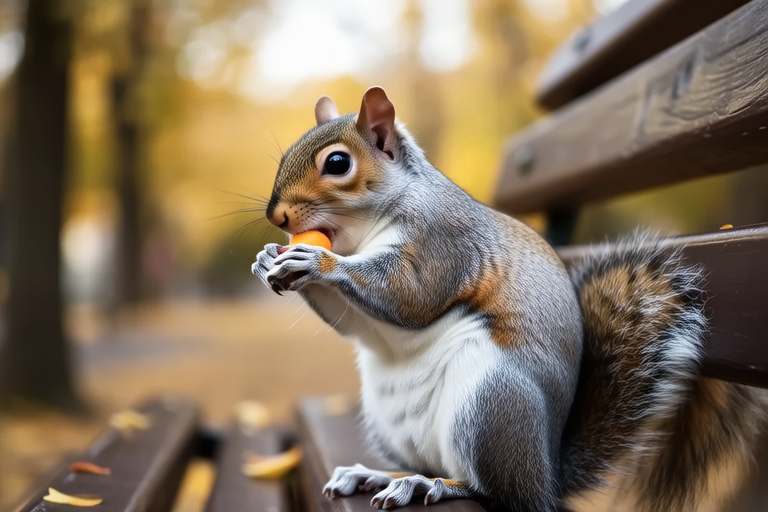
Dual Perception of Squirrels: Charming Park Buddies or Perceived Pests
Squirrels are one of the most recognizable and frequently encountered animals in urban and suburban environments. Their bushy tails, quick movements, and seemingly playful antics have made them a beloved sight in parks and gardens. However, squirrels also have a reputation as pests that can cause damage to property and crops. This dual perception is influenced by their behavior, habitat preferences, dietary habits, and role in ecosystems. In this article, we will explore the complex relationship between humans and squirrels, analyzing their intelligence, communication methods, adaptability, and the impact of urbanization on their populations and behaviors.
Behavior and Habitat Preferences
Squirrels are highly adaptable creatures, capable of thriving in a variety of environments, from dense forests to urban parks. Their natural habitats include woodlands, forests, and grasslands, but many species have successfully colonized human settlements. Squirrels are diurnal, meaning they are most active during the day, and they spend much of their time foraging for food, building nests, and avoiding predators. They are excellent climbers and jumpers, able to navigate trees, fences, and other structures with ease. Their agility and dexterity make them well-suited to life in the treetops, where they can find shelter and protection from potential threats.
Dietary Habits and Role in Ecosystems
The diet of squirrels varies depending on the species and the availability of food sources. Most squirrels are omnivorous, consuming a wide range of plant and animal matter, including seeds, nuts, fruits, insects, and even small vertebrates. Their preference for seeds and nuts makes them important seed dispersers in many ecosystems. By burying food caches, squirrels help to spread plant seeds across large areas, contributing to forest regeneration and biodiversity. Additionally, squirrels play a crucial role in controlling insect populations, as they consume large numbers of insects and other small invertebrates.
Common Misconceptions About Squirrels
Despite their widespread presence, there are several misconceptions about squirrels that contribute to their dual perception. One common myth is that squirrels are lazy and spend all day lounging in trees. In reality, squirrels are highly active animals that spend much of their time foraging for food, building nests, and engaging in social activities. Another misconception is that squirrels are unintelligent and easily fooled by simple traps or deterrents. While squirrels may occasionally fall victim to traps or deterrents, they are actually quite intelligent and resourceful, often finding ways to outsmart humans and other predators.
Intelligence, Communication Methods, and Adaptability
Squirrels are known for their problem-solving abilities and ability to learn from experience. Many species of squirrels have been observed using tools, such as sticks or stones, to access food or defend themselves against predators. Squirrels also communicate with each other through a variety of vocalizations and body language. They use alarm calls to warn others of potential danger and engage in complex social interactions, including grooming and play behavior. Their adaptability has allowed them to thrive in a wide range of environments, from rural forests to bustling city centers. In urban areas, squirrels have learned to exploit human resources, scavenging for food and nesting materials in parks, gardens, and even buildings.
Impact of Urbanization on Squirrel Populations and Behaviors
The rapid expansion of cities and towns has had a significant impact on squirrel populations and behaviors. Urbanization has created new opportunities for squirrels, providing them with abundant food sources, shelter, and protection from predators. However, it has also exposed them to new challenges, such as traffic, pollution, and competition with other urban wildlife. Studies have shown that urban squirrels tend to be more aggressive and territorial than their rural counterparts, possibly due to the limited availability of resources in urban environments. Additionally, urban squirrels may face increased exposure to diseases and parasites, which can have negative impacts on their health and survival.
Positive Interactions Between Humans and Squirrels
Despite their reputation as pests, squirrels can also provide positive experiences for humans. Many people enjoy watching squirrels in parks and gardens, and some even feed them as a form of entertainment. Squirrels can also provide educational opportunities, helping children and adults learn about wildlife and ecology. In some cases, squirrels have even formed close bonds with humans, responding to their calls and approaching them for food. These positive interactions highlight the potential for harmonious coexistence between humans and squirrels.
Nuisances Caused by Squirrels
While squirrels can be charming companions, they can also cause significant damage to property and crops. Squirrels are notorious for raiding bird feeders, stealing seeds and nuts, and causing structural damage to buildings and vehicles. They may chew through wires, insulation, and other materials, creating安全隐患,造成财产损失。此外,松鼠可能会携带疾病和寄生虫,对人类健康构成威胁。
与松鼠和谐共存的建议
为了在共享环境中和谐共存,我们需要采取一些措施来管理松鼠的数量和行为。首先,我们可以采取预防性措施来防止松鼠进入建筑物和车辆,例如使用防咬材料和安装防护网。其次,我们可以采取控制性措施,如捕获和释放松鼠到远离人类居住区的地方。最后,我们可以采取教育性措施,提高人们对松鼠生态角色的认识,并鼓励人们以积极的方式与松鼠互动。
通过了解松鼠的行为、栖息地偏好、饮食习惯以及它们在生态系统中的作用,我们可以更好地理解它们的双重形象。虽然松鼠可以成为公园里的可爱伙伴,但它们也可能被视为害虫。通过采取适当的措施,我们可以实现与松鼠的和谐共存,享受它们带来的乐趣,同时减少它们可能造成的损害。
