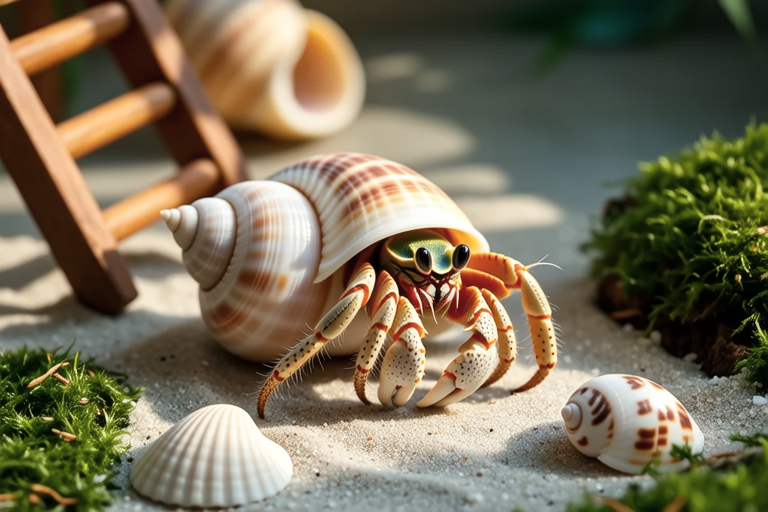
Hermit Crab Housing Hacks: Creating the Perfect Shell Haven at Home
Welcome to the fascinating world of hermit crabs! These unique creatures have captured the hearts of many pet enthusiasts with their quirky personalities and charming behaviors. As a responsible owner, it’s essential to provide your hermit crabs with the best possible environment to thrive. In this comprehensive guide, we’ll explore various aspects of hermit crab housing, from understanding their shell preferences to setting up the perfect substrate and water conditions. Let’s dive in!
Understanding Hermit Crab Shell Preferences
One of the most intriguing aspects of hermit crab ownership is their preference for different types of shells. Hermit crabs are known for their ability to outgrow their current shell and search for a new one that better fits their growing bodies. It’s crucial to understand what factors influence their shell choices.
Size Matters: Hermit crabs need shells that fit them snugly but comfortably. A shell that’s too small can cause stress and injury, while one that’s too large might make it difficult for them to carry around. Regularly check your crabs’ shells to ensure they’re still fitting well.
Shape and Structure: Hermit crabs prefer shells with a wide opening and a sturdy structure. The shape of the shell should allow the crab to fully retract its body inside for protection. Additionally, the interior should be spacious enough for the crab to move around freely.
Color and Texture: While hermit crabs don’t have a specific color preference, they may show a preference for shells with smoother textures. This is because rough or sharp surfaces can irritate their soft abdomens. Providing a variety of colors and textures can help keep your crabs engaged and entertained.
Safely Collecting and Preparing Shells for Hermit Crabs
Collecting and preparing shells for your hermit crabs can be a fun and rewarding activity. However, it’s important to do so safely to avoid introducing harmful elements into their habitat.
Collection Tips: When collecting shells from beaches, look for those that are free from cracks, holes, or debris. Avoid shells that have been bleached or treated with chemicals, as these can be toxic to hermit crabs. It’s also advisable to sterilize any collected shells before introducing them to your crabs.
Preparation Steps: To prepare shells for your hermit crabs, start by thoroughly cleaning them with fresh water. Remove any sand, dirt, or organic matter that may be trapped inside. Next, soak the shells in a mixture of 90% water and 10% household bleach for about 15 minutes. Rinse the shells thoroughly under running water to remove any residual bleach. Finally, place the shells in a shallow dish of dechlorinated water for at least 24 hours to ensure they are completely clean and safe for use.
DIY Shell Decoration Ideas That Are Safe and Appealing
Decorating shells for your hermit crabs can add a personal touch to their habitat while providing enrichment and stimulation. Here are some safe and creative ideas to inspire you:
Natural Dyes: Use natural dyes made from fruits and vegetables to create vibrant colors on the shells. For example, red cabbage can produce shades of blue and purple, while turmeric can give a warm yellow hue. Be sure to rinse the shells thoroughly after dyeing to remove any excess dye.
Shell Painting: Paint shells with non-toxic acrylic paints designed for pets. Allow the paint to dry completely before introducing the shells to your crabs. This method allows for intricate designs and patterns.
Glass Beads: Glue tiny glass beads onto the surface of the shells for a sparkling effect. Ensure the glue used is non-toxic and pet-safe. This adds visual interest and can also provide some texture for your crabs to explore.
Faux Pearls: Attach faux pearls to the shells using non-toxic glue. This creates a luxurious appearance and can mimic the look of natural pearls found in some shells.
Tips for Setting Up the Optimal Substrate and Water Conditions
The substrate and water conditions play a vital role in maintaining a healthy and happy hermit crab habitat. Proper setup ensures that your crabs have everything they need to thrive.
Substrate: Provide a deep layer of substrate, such as crushed coral or coconut fiber, which allows your crabs to burrow and create tunnels. The substrate should be kept slightly damp but not overly wet. This mimics the natural environment of hermit crabs and encourages natural behaviors like digging and hiding.
Water Conditions: Hermit crabs require access to both freshwater and saltwater. Place two shallow dishes in the habitat—one filled with dechlorinated freshwater and the other with a saltwater solution made from marine-grade aquarium salt mixed with distilled water. Ensure the dishes are shallow enough for easy access but deep enough to cover the crabs’ entire bodies when needed.
Common Mistakes to Avoid When Creating a Shell Haven
While setting up a perfect shell haven for your hermit crabs, it’s important to be aware of common pitfalls that could compromise their health and happiness.
Overcrowding: Avoid overcrowding the habitat with too many shells or crabs. Overcrowding can lead to increased stress levels and competition for resources. Aim for a ratio of at least one shell per crab, plus a few extras for comfort and exploration.
Unsafe Materials: Never use materials that could be toxic or harmful to your crabs. This includes painted shells with lead-based paints, chemically treated wood, or synthetic materials that could leach harmful substances.
Improper Humidity: Maintaining the right humidity level is crucial for hermit crabs. Too much moisture can lead to mold growth, while too little can cause dehydration. Use a hygrometer to monitor humidity levels and aim for a range of 70-80% relative humidity.
Advice on Regularly Updating Their Housing to Ensure Health and Happiness
To ensure the continued health and happiness of your hermit crabs, regular updates and maintenance are necessary. Here are some tips to keep their habitat thriving:
Regular Cleaning: Clean the habitat every few weeks to remove any debris, uneaten food, or waste. Replace the substrate if it becomes excessively dirty or damp. This helps prevent bacterial growth and keeps the environment fresh.
Shell Rotation: Rotate the shells in the habitat periodically to provide variety and stimulation. Introducing new shells can encourage natural behaviors like exploring and investigating.
Water Refreshment: Change the water in the dishes at least once a week to maintain cleanliness and freshness. Ensure the saltwater solution is properly mixed and maintained at the correct salinity level.
Monitor Health: Keep an eye on the overall health and behavior of your hermit crabs. Look for signs of stress, illness, or injury. Early detection and intervention can prevent more serious issues down the line.
By following these guidelines and incorporating the tips outlined in this article, you’ll be well on your way to creating the perfect shell haven for your hermit crabs. Remember, a happy hermit crab is a healthy hermit crab, and with the right environment, you’ll enjoy years of companionship and joy with these delightful creatures.
