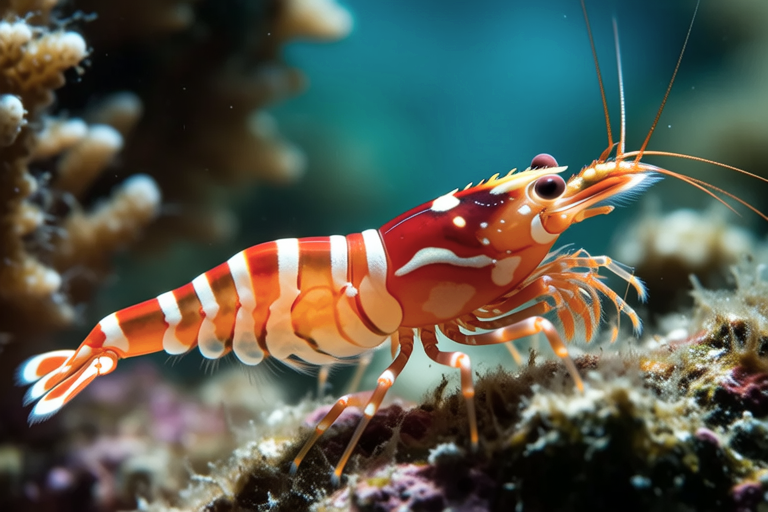
The Ultimate Guide: Feeding Tips for Healthy Coral Shrimp
Proper nutrition is fundamental for the health, growth, and longevity of coral shrimp. Just like any other living creature, these delightful aquatic inhabitants require a well-balanced diet to thrive. Providing them with the right nutrients not only keeps them healthy but also enhances their vibrant colors and overall vitality. In this guide, we will explore various aspects of feeding coral shrimp, from understanding their dietary needs to ensuring optimal water conditions.
Understanding the Nutritional Needs of Coral Shrimp
Coral shrimp are omnivorous, meaning they consume both plant-based and animal-based foods. Their diet should be diverse, consisting of proteins, carbohydrates, vitamins, and minerals to support their metabolic processes. A well-fed shrimp is more likely to exhibit its natural colors, maintain robust health, and contribute positively to the ecosystem of your aquarium.
Types of Food Suitable for Coral Shrimp
Algae Wafers
Algae wafers are a staple in the diet of many aquarium inhabitants, including coral shrimp. These wafers are rich in algae, which provide essential nutrients and fiber. They come in various sizes, making them suitable for different species of shrimp. It’s important to choose wafers that are appropriate for the size of your shrimp to ensure they can consume them effectively.
Blanched Vegetables
Blanched vegetables such as zucchini, spinach, and peas offer a nutritious alternative to commercial feeds. Before adding these to your tank, make sure to blanch them by boiling briefly and then cooling them down. This process makes the vegetables easier to digest and reduces the risk of introducing harmful bacteria or parasites into your aquarium.
Other Dietary Options
In addition to algae wafers and blanched vegetables, coral shrimp can benefit from a variety of other foods. High-quality flake food, freeze-dried bloodworms, and live brine shrimp can be occasional treats. However, it’s crucial to introduce these foods gradually and monitor your shrimp’s reaction to ensure compatibility.
Portion Control and Feeding Frequency
Overfeeding is one of the most common mistakes made by aquarists. Excess food can lead to poor water quality, increased stress for your shrimp, and potential health issues. As a general rule, feed your coral shrimp small amounts of food that they can consume within a few minutes. This practice not only prevents waste but also ensures that your shrimp receive the necessary nutrients without being overwhelmed.
Feeding frequency should be adjusted based on the age, size, and activity level of your shrimp. Younger shrimp may need to be fed more frequently, while mature shrimp can be fed less often. Typically, feeding once or twice daily is sufficient for adult coral shrimp.
The Benefits of a Varied Diet
A varied diet is key to enhancing the coloration and vitality of coral shrimp. Providing a range of foods helps to stimulate their appetites and ensures they receive a broad spectrum of nutrients. This diversity can lead to more vibrant colors and increased energy levels, making your shrimp more active and engaging to observe.
Moreover, a balanced diet supports their immune system, helping them fight off diseases and recover from minor injuries more efficiently. By offering a mix of protein-rich and plant-based foods, you’re promoting their overall health and well-being.
Maintaining Water Quality After Feeding
After feeding, it’s essential to monitor the water quality in your aquarium. Uneaten food can decompose, leading to an increase in ammonia and nitrite levels, which can be harmful to your shrimp. To prevent this, remove any uneaten food promptly and perform regular water changes to maintain optimal conditions.
Investing in a high-quality filter and performing routine maintenance, such as cleaning the substrate and decorations, can further help in keeping the water clean and safe for your shrimp.
Common Mistakes to Avoid When Feeding Coral Shrimp
- Overfeeding: As mentioned earlier, overfeeding can lead to poor water quality and health problems for your shrimp.
- Improperly Preparing Foods: Failing to blanch vegetables or properly prepare other foods can introduce contaminants into your tank.
- Lack of Variety: Relying solely on one type of food can result in nutritional deficiencies, impacting the health and appearance of your shrimp.
- Ignoring Water Quality: Neglecting to maintain good water quality can compromise the health of your entire aquarium ecosystem.
The Significance of a Balanced Diet for Longevity
A balanced diet is crucial for the longevity of your coral shrimp. Proper nutrition supports their immune system, aids in growth and development, and helps them cope with environmental stresses. By providing a varied and nutritious diet, you’re setting the stage for your shrimp to live long, healthy lives in your aquarium.
Remember, the health and happiness of your coral shrimp are directly tied to the care and attention you give them. With the right approach to feeding and maintenance, you can create a thriving environment where your shrimp can flourish.
