Top Secrets Every Maine Coon Owner Should Know!
Maine Coons are often referred to as “gentle giants” due to their large size and affectionate nature. These cats are not only beautiful but also possess unique traits that make them stand out from other breeds. If you’re a new or seasoned Maine Coon owner, understanding these secrets can greatly enhance your experience with your feline companion. This article will delve into the top secrets every Maine Coon owner should know, covering unique traits, care tips, health insights, dietary needs, grooming secrets, and behavioral quirks.
Unique Traits of Maine Coons
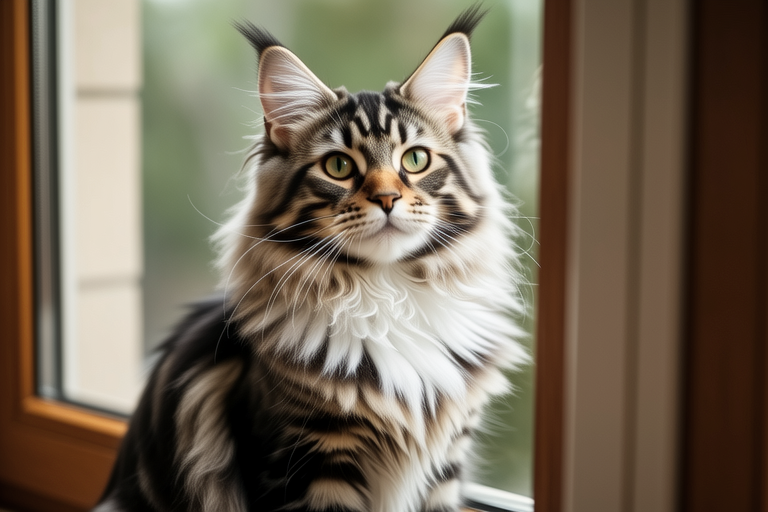
Maine Coons have several distinctive features that set them apart. They are known for their large size, with males typically weighing between 13 to 18 pounds and females around 9 to 14 pounds. Their coat is long and shaggy, providing excellent insulation against cold weather. Another notable trait is their tufted ears and paws, which add to their charming appearance. Maine Coons also have a playful and intelligent demeanor, making them great companions for families.
Care Tips for Maine Coons
Providing proper care is essential for keeping your Maine Coon healthy and happy. Start by creating a comfortable living space with plenty of room for them to stretch and play. Consider investing in sturdy scratching posts and interactive toys to keep them mentally stimulated. Regular veterinary check-ups are crucial, especially given their larger size and potential for certain health issues. Additionally, maintaining a routine for feeding, grooming, and exercise can help establish a predictable environment that your Maine Coon will appreciate.
Health Insights for Maine Coons
Maine Coons are generally healthy cats, but they are prone to certain genetic conditions. Hypertrophic cardiomyopathy (HCM), a heart disease, is one of the most common health issues affecting this breed. Regular heart screenings can help detect HCM early. Polycystic kidney disease (PKD) is another condition that Maine Coons may inherit. Early diagnosis through genetic testing can be beneficial. Keeping your Maine Coon at a healthy weight and monitoring their activity levels can also prevent obesity-related health problems.
Dietary Needs of Maine Coons
Nutrition plays a vital role in the overall well-being of your Maine Coon. A balanced diet rich in protein, vitamins, and minerals is necessary for their growth and maintenance. High-quality cat food formulated for large breeds is recommended. Avoid feeding them table scraps or human food, as these can lead to nutritional imbalances. Fresh water should always be available to ensure proper hydration. Consult with your veterinarian to determine the appropriate amount and type of food based on your Maine Coon’s age, weight, and activity level.
Grooming Secrets for Maine Coons
Despite their thick coats, Maine Coons are relatively easy to groom. Weekly brushing helps remove loose hair and prevents matting. Use a slicker brush or a wide-tooth comb to gently detangle their fur. Bathing is usually unnecessary unless your Maine Coon gets particularly dirty. During bath time, use a mild, cat-specific shampoo and be sure to rinse thoroughly to avoid skin irritation. Pay special attention to areas like the tail and legs, where mats tend to form more easily. Regular nail trimming is also important to prevent overgrowth and discomfort.
Behavioral Quirks of Maine Coons
Maine Coons have a unique set of behaviors that make them delightful pets. They are known for their love of water, often playing with dripping faucets or splashing in shallow pools. This curiosity can be both amusing and challenging, so it’s important to supervise them near water sources. Maine Coons are also very social animals, often seeking out human interaction. They enjoy being part of family activities and can be trained to walk on a leash, making outdoor adventures possible. Their intelligence means they can learn tricks and respond well to positive reinforcement training methods.
Practical Advice for New Owners
If you’re new to owning a Maine Coon, there are several things to consider. First, familiarize yourself with their specific needs and behaviors. Research reputable breeders or shelters to find a healthy kitten or adult cat. Spend time bonding with your new pet to establish trust and a strong relationship. Be patient as your Maine Coon adjusts to its new home. Provide plenty of opportunities for play and exploration to help them feel secure and content in their environment.
Advice for Experienced Owners
Even if you’ve owned Maine Coons before, there’s always room for improvement in caring for these magnificent creatures. Stay updated on advancements in veterinary medicine and nutrition. Continue to engage your Maine Coon with new toys and activities to keep them mentally sharp. Encourage socialization with other pets and people to maintain a well-rounded personality. Regular health checks and preventive care can help catch any issues early, ensuring your Maine Coon enjoys a long and healthy life.
Conclusion
Owning a Maine Coon is a rewarding experience filled with love, laughter, and companionship. By understanding their unique traits, providing proper care, and addressing their specific needs, you can create a joyful and healthy lifestyle for your Maine Coon. Whether you’re a first-time owner or a seasoned enthusiast, embracing these secrets will deepen your bond with your gentle giant and bring countless moments of joy.
