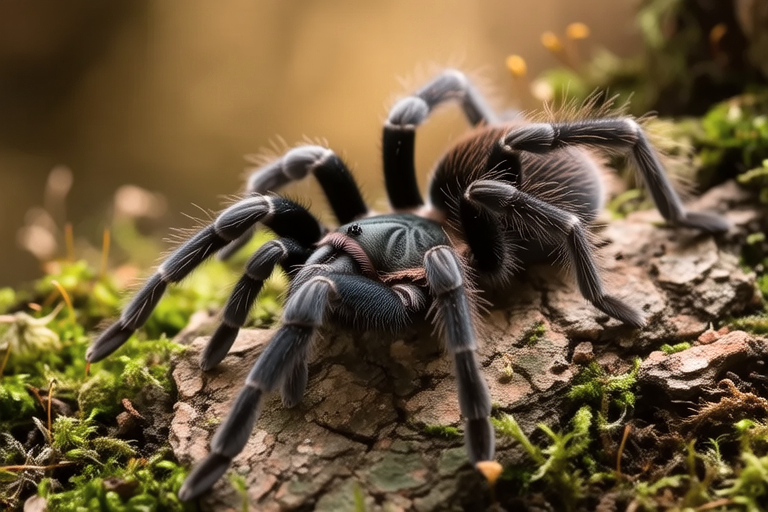
How to Care for Your Tarantula: Expert Tips for Happy, Healthy Pets
Tarantulas can make fascinating and rewarding pets for those willing to invest time and effort into understanding their unique needs. These arachnids come in various species, each with its own characteristics and requirements. Whether you’re a seasoned reptile enthusiast or a beginner looking for a new challenge, this guide will provide you with all the essential information needed to care for your tarantula properly. From setting up the perfect habitat to recognizing signs of good health, we’ve got you covered.
Selecting the Right Enclosure Size and Materials
The first step in creating a comfortable environment for your tarantula is selecting the appropriate enclosure. The size of the tank depends on the specific species of tarantula you have chosen. For smaller species like Aphonopelma, a 5-gallon terrarium might suffice; however, larger species such as Burkella require more space – at least 10 gallons per inch of leg span. Always opt for glass or acrylic tanks over plastic ones because they maintain better humidity levels.
When it comes to substrate, coconut fiber, peat moss, or vermiculite work well. These materials help retain moisture while providing a naturalistic look that mimics the tarantula’s native environment. Avoid using cedar shavings or pine bark as these may release harmful oils.
Setting Up the Perfect Habitat
Once you’ve selected the right enclosure, it’s time to set up your tarantula’s home. Start by adding a layer of substrate about two inches deep. This will allow your pet to burrow if desired. Next, include several hiding spots such as cork bark pieces or half logs. Tarantulas need these areas to feel secure and retreat when stressed.
Temperature and humidity are crucial factors in maintaining a healthy tarantula. Most species thrive between 75°F and 85°F (24°C-29°C). Use a thermometer placed inside the enclosure to monitor temperatures regularly. Humidity should range from 60% to 80%, depending on the species. A hygrometer helps keep track of this vital statistic.
Feeding Habits and Suitable Diet
Understanding what and how often to feed your tarantula is key to keeping them healthy. Insects like crickets, mealworms, and dubia roaches form the bulk of their diet. It’s important to gut-load feeder insects before offering them to your tarantula. Gut loading involves feeding the insects nutritious food prior to being fed to the tarantula so that the nutrients are passed along.
Frequency of meals varies based on age and size. Juvenile tarantulas usually eat every few days, whereas adults can go weeks without eating. Never leave uneaten prey inside the enclosure overnight, as this could stress out your pet or even cause injury.
Maintaining Cleanliness
Cleaning the enclosure is necessary but should be done carefully to avoid stressing your tarantula. Spot clean daily by removing any waste or dead insects. Perform a thorough cleaning once a month. Remove all decorations and substrate, wash everything with warm water and mild soap, then rinse thoroughly and dry completely before replacing.
Handling and Safety Tips
While tarantulas are generally docile creatures, handling should still be approached cautiously. Always support their entire body when picking them up, never grab them by the legs or abdomen. If you must handle your tarantula, ensure your hands are clean and free of any scents that might trigger defensive behavior.
Some tarantulas possess urticating hairs which they release as a defense mechanism. These hairs can irritate human skin, so it’s best to wear gloves when handling. Additionally, always supervise children around tarantulas to prevent accidental harm.
Common Health Issues
Recognizing potential health problems early on is critical for treating them effectively. One common issue among tarantulas is regurgitation, where they bring up undigested food due to illness or stress. Another problem is molting difficulties, during which the tarantula may become stuck in its old exoskeleton.
If you notice unusual behaviors or physical changes in your tarantula, consult an experienced veterinarian specializing in exotic animals. Early intervention can prevent more serious complications.
Signs of a Healthy Tarantula
A healthy tarantula exhibits certain behaviors and physical traits. They should be active and responsive to movement outside the enclosure. Their coloration should appear vibrant, with no signs of discoloration or lesions. Appetite remains consistent, and they molt successfully every few months.
Regular observation allows you to familiarize yourself with your tarantula’s normal behavior, making it easier to detect deviations indicative of poor health.
Conclusion
Owning a tarantula requires commitment and attention to detail. By following these expert tips, you’ll be able to create a nurturing environment that promotes longevity and happiness for both you and your eight-legged friend. Remember, patience and respect go hand-in-hand with tarantula ownership, ensuring both enjoyment and responsibility throughout the journey.
