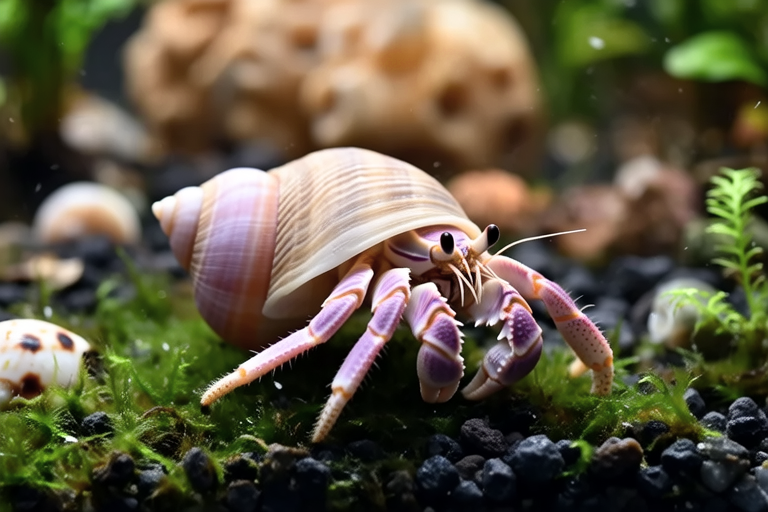
The Ultimate Guide to Keeping Your Hermit Crab Happy and Healthy
Hermit crabs are fascinating creatures that make wonderful pets for those who want a low-maintenance yet interactive companion. These crustaceans have unique needs that must be met to ensure they thrive in captivity. This comprehensive guide will cover everything you need to know about keeping your hermit crab happy and healthy, from setting up its habitat to recognizing signs of good health.
Proper Habitat Setup
A well-designed habitat is crucial for your hermit crab’s well-being. Start by choosing an appropriate tank size; a ten-gallon aquarium is suitable for one or two small hermit crabs, while larger tanks are better for multiple crabs. Ensure the tank has a secure lid with ventilation holes to prevent escapes but still allow airflow.
Incorporate substrate into the tank. A mix of sand and coconut fiber works well, providing a comfortable environment for burrowing and molting. Avoid using calcium-based sands as they can cause impaction if ingested. Provide various sizes of shells for your crab to explore and eventually adopt as its new home.
Include climbing structures such as driftwood, rocks, and branches to encourage natural behaviors like climbing and exploring. Arrange these items in a way that mimics the crab’s natural habitat, creating hiding spots and elevated areas.
Temperature and Humidity Requirements
Maintaining the correct temperature and humidity levels within the tank is vital for your hermit crab’s health. The ideal temperature range is between 75°F and 85°F (24°C – 29°C). Use a thermometer to monitor the temperature inside the tank and adjust as necessary using heat lamps or under-tank heaters.
Humidity should be kept at around 70% to 80%. Achieve this by misting the tank daily and ensuring there’s a water dish large enough for the crab to soak in. Adding a humidifier or placing a wet sponge near the heat source can also help maintain proper moisture levels.
Suitable Diet Options
Hermit crabs are omnivorous scavengers, feeding on a variety of foods found in their natural environment. Offer them a balanced diet consisting of commercial hermit crab food, fruits, vegetables, and occasional protein sources like boiled shrimp or fish. Rotate their diet regularly to provide essential nutrients.
Ensure fresh water is always available in a shallow dish. Change the water daily to prevent bacterial growth. Some owners also provide saltwater dishes, which can help the crabs maintain their exoskeletons. Use dechlorinated tap water or filtered seawater for both freshwater and saltwater dishes.
Handling Techniques
Handle your hermit crab gently and infrequently to minimize stress. Always wash your hands before and after handling to avoid transferring oils or chemicals that could harm the crab. Support the crab’s body rather than pulling it out of its shell, and never remove it from its shell unless necessary.
When moving the crab, place your hand close to its shell and gently coax it onto your palm. Be patient and give the crab time to acclimate to your touch. If the crab attempts to pinch, slowly withdraw your hand and try again later.
Signs of a Healthy Hermit Crab
Observing your hermit crab’s behavior and appearance can help you determine its overall health. A healthy crab is active, alert, and shows interest in its surroundings. It should move freely within the tank, interact with other crabs, and display normal eating habits.
Check for any physical signs of illness, such as limp appendages, missing limbs, or discoloration. Pay attention to changes in appetite or activity levels, which may indicate underlying health issues. Regularly inspect the crab’s exoskeleton for cracks or deformities that might suggest nutritional deficiencies or improper environmental conditions.
Common Health Issues
Despite best efforts, hermit crabs can still face health challenges. One common issue is shell rot, where the inner surface of the shell becomes infected and unhealthy. To prevent this, provide clean, dry shells and avoid overcrowding the tank.
Impaction occurs when a crab ingests substrate or other indigestible materials, leading to blockages in the digestive tract. Prevent impaction by using appropriate substrates and monitoring the crab’s diet.
Molting is a natural process during which the crab sheds its old exoskeleton to grow a new one. During this time, the crab may become lethargic and less active. Ensure the crab has access to a moist area and plenty of food to support the molting process.
Tips for Enriching Their Environment
To keep your hermit crab mentally stimulated and physically engaged, consider adding enrichment elements to its habitat. Introduce new toys or decorations periodically to encourage exploration and play. Rotate these items regularly to prevent boredom.
Provide opportunities for social interaction by housing compatible crabs together. However, be cautious about introducing new crabs to the tank to avoid stress or aggression. Monitor interactions closely and separate any crabs showing signs of conflict.
Lastly, engage with your hermit crab through gentle play and observation. Spend time watching its behavior and learning about its preferences. This not only strengthens your bond but also helps you identify any potential health concerns early.
By following these guidelines, you’ll create a nurturing and stimulating environment for your hermit crab, ensuring it lives a long and fulfilling life. Remember, each crab is unique, so adapt these recommendations based on your pet’s specific needs and preferences.
