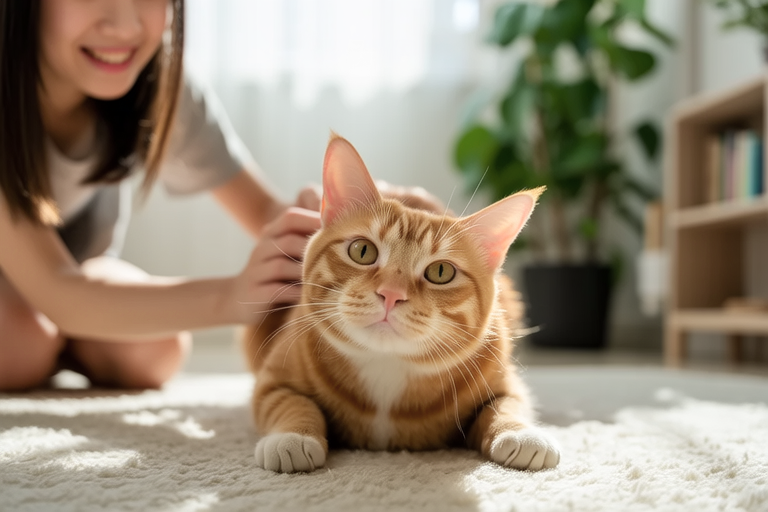
Adopting an Orange Cat: Tips and Tricks for Future Pet Parents
Welcome to the wonderful world of adopting an orange cat! If you’re considering bringing one of these vibrant felines into your home, you’ve made a fantastic choice. Orange cats are known for their playful personalities and affectionate nature. This article will guide you through the essential steps to ensure a smooth transition and a happy life for both you and your new furry friend.
Understanding the Unique Traits of Orange Cats
Orange cats, also referred to as ginger or marmalade cats, have distinct characteristics that set them apart from other feline breeds. These cats often display a sunny disposition and a curious nature. They tend to be more vocal than other cats, making it easier for them to communicate with their humans. Their striking coat color can range from a light cream to a deep copper hue, adding a touch of warmth to any home.
One interesting fact about orange cats is that they are predominantly male. Approximately 80% of orange cats are males due to genetic factors. This means if you adopt an orange kitten, there’s a high chance it will grow up to be a male. However, female orange cats are equally delightful and possess the same charming qualities.
Tips for a Smooth Transition into Their New Home
Bringing a new cat into your home requires careful planning to ensure a stress-free transition. Start by setting up a quiet room where your new orange cat can settle in without being overwhelmed by too much activity. Equip this space with all the essentials: a cozy bed, a litter box, food and water bowls, and some toys. Make sure the litter box is placed in a low-traffic area to give your cat privacy.
Gradually introduce your cat to the rest of the house over the course of several days. Keep interactions calm and positive, allowing your new pet to explore at its own pace. Introduce family members and other pets one at a time, ensuring each meeting is supervised. Patience is key during this period, as it helps build trust between you and your cat.
Health Considerations Specific to Orange Cats
While orange cats generally enjoy good health, there are a few specific conditions to be aware of. One notable concern is the higher incidence of hypertrophic cardiomyopathy (HCM) among orange cats. HCM is a form of heart disease that causes thickening of the heart muscle, potentially leading to serious complications. Regular veterinary check-ups are crucial to monitor your cat’s heart health.
Another consideration is the susceptibility of orange cats to certain types of cancer, particularly lymphoma. Early detection and treatment are vital, so routine visits to the vet can help catch any issues early. Maintaining a healthy weight and providing a nutritious diet can also contribute to overall well-being.
Training Methods for Your Orange Cat
Training an orange cat may seem like a challenging task, but with patience and consistency, you can teach your feline friend some useful behaviors. Positive reinforcement is key when training your cat. Use treats, praise, and gentle encouragement to reward desired behaviors. For instance, if you want your cat to use the scratching post instead of your furniture, offer a treat every time it uses the post correctly.
Teaching your cat to come when called can be beneficial for safety reasons. Begin by associating a word or sound with feeding times, then gradually introduce the command in different contexts. Practice in a quiet, distraction-free environment to maximize success. Remember, training sessions should be short and fun to keep your cat engaged.
Dietary Recommendations for Your Orange Cat
Feeding your orange cat a balanced diet is crucial for maintaining optimal health. High-quality commercial cat food, either wet or dry, provides the necessary nutrients. Wet food is particularly beneficial as it contains a higher moisture content, which aids in hydration. Ensure your cat has access to fresh water at all times, especially if it prefers dry food.
Avoid feeding your cat table scraps or human foods that could be harmful, such as chocolate, onions, garlic, and caffeine. Consult with your veterinarian to determine the appropriate portion sizes based on your cat’s age, weight, and activity level. Feeding a variety of protein sources can also help prevent nutritional deficiencies.
Creating a Stimulating Environment for Your Orange Cat
Providing mental and physical stimulation is essential for keeping your orange cat happy and healthy. Create an enriching environment by offering a variety of toys, including puzzle feeders, interactive toys, and climbing structures. Rotate toys periodically to maintain interest and prevent boredom.
Designate areas for play and relaxation. A window perch with a view of birds or squirrels can provide hours of entertainment. Additionally, consider investing in a cat tree or tower with multiple levels and scratching posts. These structures not only offer exercise opportunities but also serve as safe spaces for your cat to retreat when feeling overwhelmed.
Closing Thoughts
Adopting an orange cat is a rewarding experience filled with joy and companionship. By understanding the unique traits of these vibrant felines and following the tips outlined in this article, you can ensure a smooth transition and a fulfilling life together. Remember, every cat is an individual, so take the time to get to know your new pet’s preferences and personality. With love, care, and attention, you’ll create a bond that will last a lifetime.
