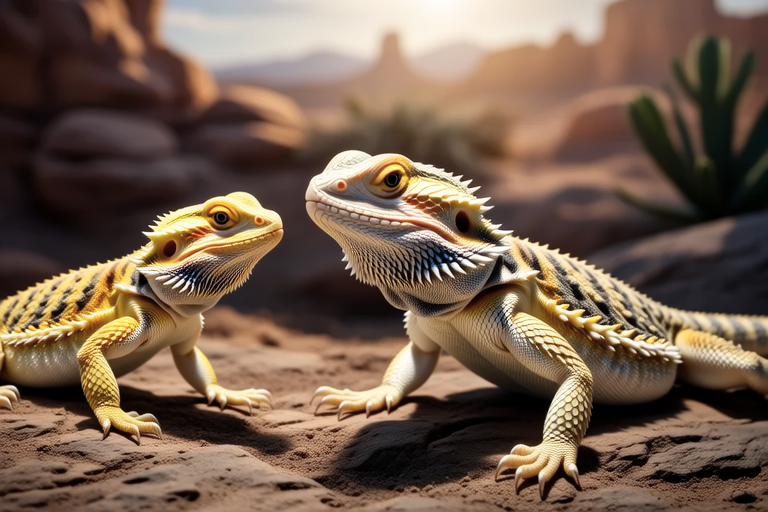
From Tiny Hatchling to Majestic Adult: Bearded Dragon Growth Journey
Welcome to the fascinating world of bearded dragons! These captivating creatures have become increasingly popular pets due to their docile nature, vibrant colors, and ease of care. Native to Australia, bearded dragons (Pogona vitticeps) are known for their unique ability to ‘puff out’ their throats when threatened or excited, earning them their distinctive name. Their broad triangular heads, sturdy legs, and spiked scales make them visually striking. This article will guide you through the lifecycle of these amazing reptiles, from their tiny beginnings as hatchlings to their mature adulthood.
The Popularity of Bearded Dragons
Bearded dragons are among the most sought-after reptiles for pet owners worldwide. They are relatively easy to care for compared to other exotic pets, requiring a moderate amount of space and attention. Their calm demeanor and gentle disposition make them ideal companions for both novice and seasoned reptile enthusiasts. Additionally, bearded dragons come in various color morphs, offering a range of aesthetic choices for potential owners.
Growth Stages: From Hatchling to Juvenile
Hatchling Stage (0-2 months)
When a bearded dragon hatches, it measures around 4 inches (10 cm) long and weighs approximately 0.1 ounces (3 grams). At this tender age, they are highly dependent on their environment for warmth and sustenance. A hatchling’s diet primarily consists of small insects such as pinhead crickets and mealworms. It’s crucial to provide them with calcium-rich supplements to support bone development. A shallow water dish should always be available, but care must be taken to prevent drowning. Hatchlings require temperatures between 95-105°F (35-40°C) during the day, with a nighttime drop to 75-85°F (24-29°C).
Juvenile Stage (2-6 months)
By six months old, juveniles grow to about 8-10 inches (20-25 cm) in length. Their appetite increases, necessitating more substantial prey items like small dubia roaches and larger crickets. Calcium supplementation remains essential during this phase. UVB lighting becomes even more critical as juveniles spend more time basking under it. The enclosure temperature should be maintained at 95-105°F (35-40°C) during the day, with a basking spot reaching up to 110°F (43°C). Nighttime temperatures can drop to 75-85°F (24-29°C).
Growth Stages: From Subadult to Adult
Subadult Stage (6-12 months)
At one year old, subadult bearded dragons reach lengths of 12-14 inches (30-35 cm). Their dietary needs shift towards more nutritious foods, including leafy greens and vegetables. Protein sources like superworms and feeder mice can be introduced gradually. Continue providing calcium supplements and ensure access to clean water. Enclosure size recommendations increase to accommodate their growing bodies. Maintain consistent temperature ranges similar to those for juveniles.
Adult Stage (Over 12 months)
Once fully grown, adult bearded dragons typically measure between 18-24 inches (45-60 cm) from snout to tail tip. Their diets should include a mix of plant matter and protein, with vegetables forming a significant portion. Gut-loaded insects remain important but should be offered less frequently. Adults benefit from regular exposure to natural sunlight or high-quality UVB lighting. Optimal enclosure temperatures range from 90-100°F (32-38°C) during the day, with a basking area reaching 110°F (43°C). Nighttime temperatures can range from 70-80°F (21-27°C).
Tips for Supporting Healthy Growth
Throughout each growth stage, owners play a vital role in ensuring their bearded dragon thrives. Providing appropriate nutrition, maintaining suitable habitat conditions, and monitoring health indicators are key aspects of responsible ownership.
- Diet: Offer a balanced diet rich in nutrients, vitamins, and minerals tailored to your dragon’s specific needs based on its age and size.
- Environmental Needs: Ensure that the enclosure provides ample space for movement, proper ventilation, and adequate lighting. Use substrates that promote hygiene and prevent impaction.
- Health Monitoring: Regularly check for signs of illness or injury, such as lethargy, loss of appetite, or abnormal shedding patterns.
Temperament and Care Requirements of Fully Grown Bearded Dragons
Adult bearded dragons exhibit a calm and friendly temperament, making them excellent pets for families. They tend to be more relaxed around humans, often tolerating handling well. However, each individual may vary slightly in personality, so it’s important to respect their comfort levels. Providing enrichment activities like climbing structures and hiding spots helps stimulate mental engagement and physical exercise.
In terms of care, adult dragons require consistent maintenance of their living environment, including cleaning enclosures, replacing substrate, and checking equipment functionality. Regular veterinary checkups are recommended to monitor overall health and address any potential issues promptly. Owners should also stay informed about advancements in reptile husbandry practices to continuously improve their pets’ quality of life.
Conclusion
The journey from a tiny hatchling to a majestic adult bearded dragon is filled with wonder and discovery. Understanding the different stages of growth allows owners to provide optimal care throughout each phase, fostering healthy development and long-lasting bonds. Whether you’re new to reptile ownership or expanding your experience with these remarkable creatures, embracing the responsibility brings immense satisfaction. Enjoy every moment of watching your bearded dragon flourish into a beautiful, thriving companion.
