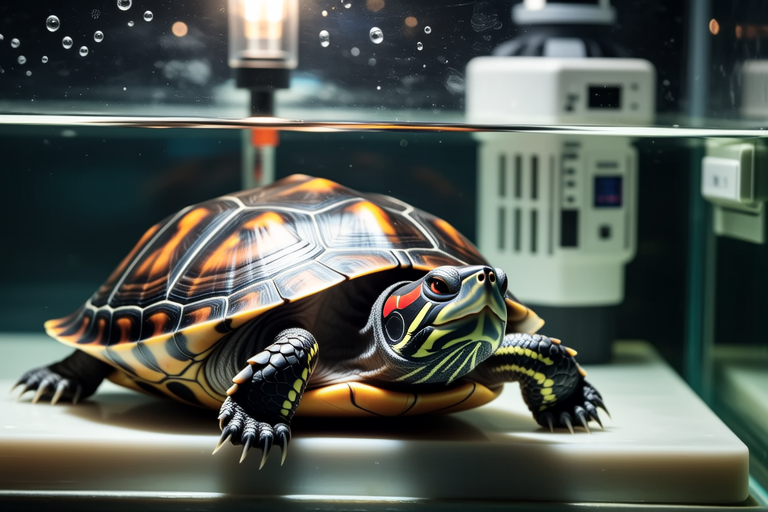
Survival Guide: Caring for Your Red-Eared Slider in Winter
Red-eared sliders (Trachemys scripta elegans) are popular semi-aquatic turtles that require special care during winter to ensure they remain healthy and thrive. This survival guide provides essential tips and advice for maintaining the optimal health of your red-eared slider during the colder months.
Adjusting Their Diet
The dietary needs of red-eared sliders change with the seasons. In winter, their metabolism slows down, which means they need fewer calories but still require a balanced diet rich in vitamins and minerals. Offer a mix of commercial turtle pellets, dark leafy greens like kale or collard greens, and occasional treats such as earthworms or small pieces of lean meat. Avoid feeding them too much protein, as this can lead to kidney problems. Feed your turtle only once or twice a week during winter, depending on its activity level.
Heating Requirements for Aquatic Environments
Maintaining an appropriate water temperature is crucial for the health of your red-eared slider. Water temperatures should be kept between 75°F and 80°F (24°C to 27°C). Use a submersible aquarium heater to achieve and maintain these temperatures. A thermostat can help regulate the heater to prevent overheating or underheating. Additionally, ensure the heater is placed in a secure location where it cannot be knocked over by the turtle.
Adequate Basking Areas
Basking is vital for red-eared sliders to dry off, thermoregulate, and absorb UVB rays for vitamin D3 synthesis. During winter, providing a warm basking spot becomes even more important. Use a heat lamp equipped with a UVB bulb to create a basking area with a temperature gradient ranging from 90°F to 95°F (32°C to 35°C). Position the heat lamp so that one end of the basking area is cooler, allowing your turtle to move between warmer and cooler spots as needed. Make sure the basking area is large enough for your turtle to fully extend its body and limbs comfortably.
Humidity Levels
Humidity plays a significant role in keeping your red-eared slider hydrated and comfortable. Maintain humidity levels between 60% and 80%. You can increase humidity by misting the enclosure daily or using a humidifier. Ensure proper ventilation to prevent condensation buildup, which could lead to mold growth.
Hibernation Preparation, If Applicable
Wild red-eared sliders naturally hibernate during winter, but captive turtles typically do not need to hibernate unless they are being prepared for relocation or breeding purposes. If you choose to allow your turtle to hibernate, it’s crucial to prepare it properly. Start by ensuring your turtle is healthy and free from parasites before entering hibernation. Gradually lower the temperature in its enclosure over several weeks to simulate natural conditions. Provide a safe hibernation environment, such as a cool, dark place with minimal disturbance. Check on your turtle periodically to ensure it remains healthy throughout the hibernation period.
Potential Health Risks
During winter, red-eared sliders face various health risks. One common issue is respiratory infections caused by cold, damp conditions. Symptoms include nasal discharge, swollen eyes, and lethargy. Another risk is shell rot, characterized by soft or discolored areas on the shell. Poor nutrition and lack of sunlight can also lead to metabolic bone disease, resulting in weakened bones and deformities. Regularly inspect your turtle for any signs of illness and consult a veterinarian if you notice anything unusual.
Signs of Distress to Watch For
It’s essential to monitor your red-eared slider closely for signs of distress during winter. Look out for decreased appetite, lethargy, difficulty moving, swelling around the eyes or mouth, and abnormal behavior such as floating upside down. If you observe any of these symptoms, contact a veterinarian specializing in reptiles immediately. Early intervention can make all the difference in treating potential health issues.
Conclusion
Caring for your red-eared slider during winter requires attention to detail and commitment to providing a suitable environment. By adjusting their diet, ensuring adequate heating and basking areas, maintaining proper humidity levels, preparing for hibernation if necessary, and being vigilant about potential health risks and signs of distress, you can help your turtle stay healthy and happy throughout the colder months. Remember, each turtle is unique, so tailor your care approach based on your pet’s specific needs and behaviors.
