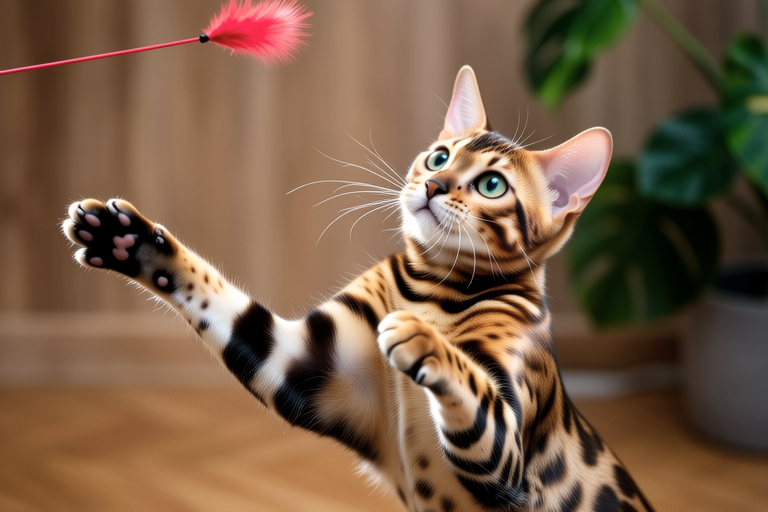
The Ultimate Guide to Owning a High-Energy Bengal Cat
Welcome to the world of Bengal cats! Known for their striking appearance and playful personalities, these felines are a favorite among cat enthusiasts. If you’re considering adding a Bengal cat to your family or are already a proud owner, this guide will provide you with all the information you need to understand and care for your energetic companion.
Understanding Bengal Cat Behavior
Bengal cats are descendants of the Asian leopard cat, which explains their wild looks and active demeanor. They are curious, intelligent, and highly social animals that thrive on interaction with their human families. Unlike some other breeds, Bengals are not aloof; they enjoy being part of the household activities. They can be quite vocal, often expressing themselves through chirping or trilling sounds, and they love to play and explore.
It’s important to note that Bengals are not lap cats; they prefer to be active and involved rather than sitting quietly. They are also known for their agility and athleticism, making them excellent climbers and jumpers. Understanding these traits is crucial for creating a safe and enriching environment for your Bengal.
Exercise Needs
Bengals are full of energy and require ample opportunities to expend it. Providing them with toys that stimulate their hunting instincts, such as feather wands or laser pointers, can help keep them entertained. Interactive play sessions are essential, as Bengals thrive on mental and physical challenges.
In addition to playtime, consider setting up climbing structures or cat trees in your home. These provide vertical spaces for your cat to explore and climb, fulfilling their natural desire to be up high. Encourage your Bengal to engage in regular exercise by incorporating games that involve chasing, pouncing, and jumping.
Dietary Requirements
A balanced diet is vital for maintaining your Bengal’s health and energy levels. High-quality cat food that meets their nutritional needs should be the cornerstone of their diet. Look for foods rich in protein and low in carbohydrates, as Bengals have a higher metabolism and require more energy. Wet food can be particularly beneficial, as it provides hydration alongside nutrition.
Ensure fresh water is always available, especially if your Bengal prefers wet food. It’s also important to monitor their weight and adjust their diet accordingly to prevent obesity, which can lead to health issues. Consult with your veterinarian about specific dietary recommendations based on your cat’s age, activity level, and any special health considerations.
Grooming Tips
Bengals have a short, sleek coat that requires minimal grooming, but they still benefit from regular brushing to remove loose hair and distribute skin oils. Their coats are typically easy to maintain, but during shedding seasons, more frequent brushing may be necessary.
While Bengals generally don’t have significant grooming needs, nail trimming is an important aspect of their care. Trimming their nails regularly helps prevent overgrowth and discomfort. You can also take them to a professional groomer if you’re uncomfortable doing it yourself. Regular dental hygiene is another critical component of their grooming routine. Provide them with chew toys or treats designed to promote dental health.
Training Techniques
Despite their independent nature, Bengals can be trained to respond to basic commands and tricks. Positive reinforcement is key when training your Bengal. Reward good behavior with treats, praise, or playtime. Bengals are intelligent and quick learners, so they can pick up commands like ‘sit’, ‘stay’, and ‘come’ relatively easily.
To encourage good behavior, establish clear boundaries and consistent rules. Bengals are social creatures and enjoy learning new things, so make training sessions fun and engaging. Use clicker training or hand signals to enhance their learning experience. Patience and consistency are crucial, as Bengals may test boundaries and require gentle guidance.
Mental Stimulation
Providing mental stimulation is just as important as physical exercise for Bengals. Puzzle feeders and treat-dispensing toys can challenge their minds while keeping them engaged. Rotate toys periodically to keep them interested and stimulated. Interactive games that involve problem-solving can also be beneficial.
Another way to stimulate their minds is through interactive play. Bengals are naturally curious and enjoy exploring new environments. Consider setting up a safe, enclosed outdoor area where they can investigate and interact with their surroundings. This can include a catio, which allows them to enjoy fresh air and sunshine while remaining secure.
Creating a Safe and Stimulating Environment
Your home should be a safe haven for your Bengal. Secure windows and doors to prevent accidental escapes. Install child-proof latches on cabinets and drawers to keep harmful substances out of reach. Ensure that electrical cords are hidden or covered to avoid accidents.
Bengals are known for their curiosity and agility, so it’s important to cat-proof your home. Remove small objects that could pose choking hazards and secure loose wires. Provide them with vertical spaces to climb and explore, such as cat trees or shelves. These spaces allow them to feel secure and offer opportunities for exercise.
Managing High Energy Levels
One of the biggest challenges of owning a Bengal is managing their high energy levels. Establish a routine that includes designated playtimes and exercise sessions. This helps channel their energy in positive ways and promotes better behavior. Rotate toys frequently to keep them engaged and interested.
If your Bengal becomes overly active at night, consider adjusting their feeding schedule or providing them with an outlet for their energy earlier in the day. Engage in play sessions before bedtime to tire them out and encourage restful sleep. Providing them with a comfortable sleeping area, such as a cozy bed or crate, can also help them settle down.
Maintaining a Strong Bond
Building a strong bond with your Bengal requires time and effort. Spend quality time with your cat every day, engaging in play and interaction. Bengals are social animals that enjoy being part of the family, so make sure they feel included in household activities.
Pay attention to your Bengal’s body language and vocalizations to understand their needs and preferences. By responding to their cues, you can strengthen your relationship and create a loving, trusting bond. Regular grooming sessions, petting, and cuddling can also help reinforce this bond and make your Bengal feel cherished.
Remember, owning a Bengal cat is a rewarding experience filled with joy and companionship. By understanding their unique needs and providing them with a safe, stimulating environment, you can ensure a happy and healthy life for your high-energy companion.
