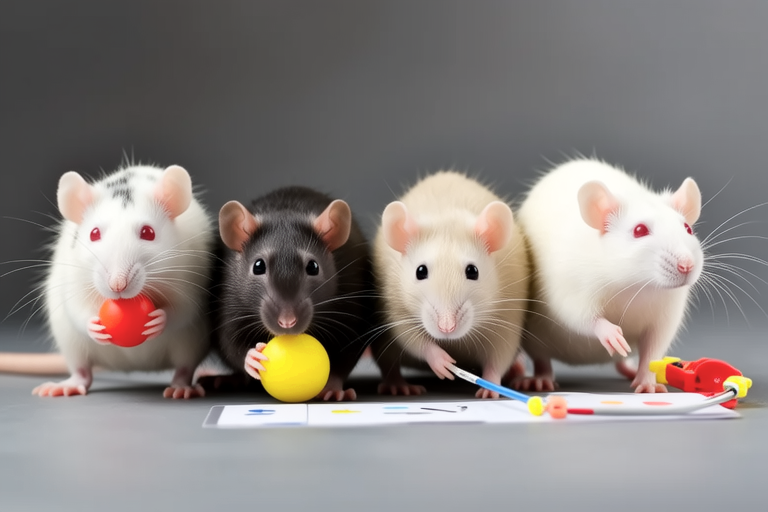
5 Clever Tricks You Can Teach Your Intelligent Fancy Rat
Rats are often underestimated when it comes to intelligence and trainability. However, these small mammals are incredibly smart and can learn a variety of tricks with the right guidance and patience. This article will explore five clever tricks you can teach your intelligent fancy rat, along with step-by-step instructions, tips on positive reinforcement training methods, and interesting facts about rat intelligence.
Understanding Rat Intelligence
Rats are highly intelligent creatures that exhibit complex behaviors and problem-solving skills. They have excellent memories, can recognize patterns, and even understand basic concepts like cause and effect. Studies have shown that rats can learn mazes, solve puzzles, and even predict future events based on past experiences. Their cognitive abilities make them ideal candidates for learning new tricks and behaviors.
Positive Reinforcement Training Methods
Positive reinforcement is a powerful tool for teaching your rat new tricks. It involves rewarding desired behaviors with treats or praise, which encourages the rat to repeat those actions. The key to successful training lies in consistency, timing, and choosing the right rewards. Rats respond well to small, tasty treats such as sunflower seeds, raisins, or commercial rat treats. Verbal praise and gentle petting can also serve as effective rewards.
When training, it’s important to keep sessions short and fun. Rats have short attention spans, so training sessions should last no more than 10-15 minutes at a time. Always end on a positive note, ensuring that your rat feels accomplished and eager to learn more.
Trick 1: Fetch
Teaching your rat to fetch is a fun way to engage its natural instincts while providing mental stimulation. Here’s how you can get started:
- Choose the Right Toy: Select a lightweight, easy-to-grab object like a small ball or a soft toy. Make sure it’s safe and comfortable for your rat to carry.
- Introduce the Toy: Place the toy near your rat and let it explore. Allow it to become familiar with the object before attempting to play fetch.
- Encourage Interaction: Gently nudge the toy towards your rat using your hand or a stick. Encourage it to touch or pick up the toy.
- Offer a Reward: Once your rat interacts with the toy, immediately offer a treat and praise. This reinforces the behavior and encourages repetition.
- Gradually Increase Difficulty: As your rat becomes more comfortable with the toy, start moving it further away. Use your hand or a stick to guide the rat towards the toy.
- Practice Fetching: When your rat picks up the toy, gently pull it away while offering a treat and verbal praise. Gradually increase the distance between you and the rat, encouraging it to bring the toy back to you.
Remember, patience is key. Some rats may take longer to grasp the concept of fetching, but with consistent practice and positive reinforcement, most rats can learn this trick.
Trick 2: Jump Through a Hoop
This trick taps into your rat’s natural agility and provides an exciting challenge. Follow these steps to teach your rat to jump through a hoop:
- Set Up the Hoop: Choose a lightweight, flexible hoop, such as a plastic hula hoop or a wire ring. Position the hoop on the ground or slightly elevated, depending on your rat’s comfort level.
- Introduce the Hoop: Let your rat investigate the hoop without any pressure. Allow it to become comfortable with the object before attempting to guide it through.
- Use Treats to Guide: Hold a treat just inside the hoop and encourage your rat to enter by following the scent of the food. Praise and reward it for any attempts, even if it doesn’t fully pass through the hoop initially.
- Increase the Challenge: Gradually move the treat further inside the hoop, encouraging your rat to jump higher or stretch further to reach it. Continue to reward every attempt.
- Practice Consistently: With time and practice, your rat will begin to associate jumping through the hoop with receiving a treat. Continue to reinforce the behavior until it becomes reliable.
Patience and persistence are crucial when teaching this trick. Some rats may need more time to build the confidence to jump through the hoop, but with consistent encouragement, most can master this skill.
Trick 3: Spin Around
Teaching your rat to spin around is a simple yet entertaining trick that showcases its agility. Here’s how you can teach it:
- Start with a Cue: Choose a specific word or sound to use as a cue for spinning. For example, you might say “spin” or clap your hands lightly.
- Guide the Movement: While holding a treat in one hand, slowly rotate your hand in a circular motion. At the same time, use the cue word or sound to signal the desired action.
- Offer a Reward: As soon as your rat begins to follow the movement of your hand, offer the treat and provide verbal praise. This positive reinforcement will encourage the rat to repeat the behavior.
- Repeat the Process: Continue to practice the trick, gradually reducing the amount of guidance you provide. Over time, your rat should start spinning in response to the cue alone.
- Vary the Reward: To keep the training session engaging, vary the type of treats you use or the location where you practice the trick. This helps maintain your rat’s interest and motivation.
This trick is relatively straightforward and can be taught quickly with consistent practice. Most rats enjoy the playful nature of spinning and will quickly catch on to the cue.
Trick 4: Sit on Command
Teaching your rat to sit on command is a useful trick that demonstrates its ability to follow instructions. Here’s how you can train your rat to sit:
- Select a Treat: Choose a small, tasty treat that your rat loves. Ensure it’s something that won’t cause digestive issues.
- Hold the Treat Above: With the treat in one hand, hold it above your rat’s head. This encourages the rat to look up and naturally assume a sitting position.
- Offer the Treat: Once your rat sits, immediately give the treat and provide verbal praise. This reinforces the behavior and encourages repetition.
- Introduce a Cue: After a few successful repetitions, introduce a verbal cue such as “sit” or “stay.” Say the word just as your rat begins to sit, helping it associate the command with the action.
- Practice Regularly: Continue to practice the trick regularly, gradually increasing the duration for which your rat remains seated. Over time, your rat should respond to the verbal cue alone.
Consistency is key when teaching your rat to sit. With regular practice, most rats can learn this trick within a few days.
Trick 5: Push a Button
This trick is a great way to test your rat’s problem-solving skills and provide mental stimulation. Here’s how you can teach your rat to push a button:
- Prepare the Button: Find a small, lightweight button or lever that your rat can easily press. Attach it to a wall or a cage door in a location that is easily accessible to your rat.
- Introduce the Button: Allow your rat to explore the button without any pressure. Encourage it to sniff and investigate the object.
- Use Treats to Guide: Hold a treat just behind the button and encourage your rat to push the button to access the treat. Praise and reward it for any attempts, even if it doesn’t fully succeed initially.
- Gradually Reduce Guidance: As your rat becomes more comfortable with the button, gradually reduce the amount of guidance you provide. Continue to reward every attempt, reinforcing the behavior.
- Practice Consistently: With time and practice, your rat will begin to associate pushing the button with receiving a treat. Continue to reinforce the behavior until it becomes reliable.
This trick requires some patience and persistence, but most rats can learn to push a button with consistent training and positive reinforcement.
Conclusion
Teaching your intelligent fancy rat new tricks is a rewarding experience that strengthens the bond between you and your pet. By understanding rat intelligence and using positive reinforcement training methods, you can successfully teach your rat a variety of clever tricks. Whether it’s fetching, jumping through a hoop, spinning, sitting on command, or pushing a button, these activities provide mental stimulation and entertainment for both you and your rat. Remember to keep training sessions short, fun, and rewarding, and always celebrate your rat’s successes. Happy training!
