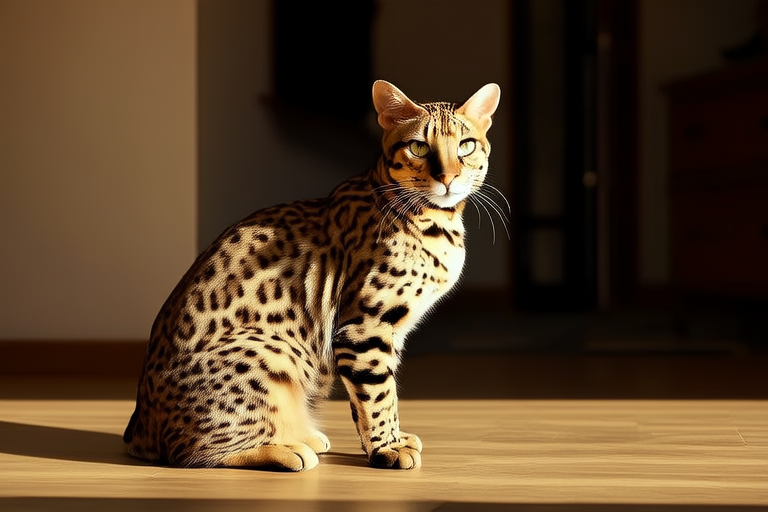
The Bengal Cat: A Hybrid Breed with a Wild Appearance
The Bengal cat is a hybrid breed that has gained immense popularity due to its striking resemblance to leopards. Known for its sleek, spotted coat and wild appearance, this breed captivates cat lovers worldwide. The Bengal cat’s origins lie in the crossbreeding of domestic cats and Asian leopard cats, resulting in a unique and captivating feline companion. This article delves into the history, physical characteristics, temperament, care requirements, and tips for potential owners of Bengal cats.
Origins of the Bengal Cat
The Bengal cat’s journey began in the 1960s when Dr. Jean Mill, an American geneticist, crossed domestic cats with Asian leopard cats. Her goal was to create a breed that retained the exotic appearance of wildcats while maintaining the gentle demeanor of domesticated felines. Over several generations, breeders selectively bred these hybrids, eventually producing the modern-day Bengal cat. Today, Bengal cats are recognized by major cat registries, including The International Cat Association (TICA) and the Cat Fanciers’ Association (CFA).
Physical Characteristics
Bengal cats are easily distinguishable by their sleek, muscular bodies and striking coat patterns. Their coats come in various colors, including brown, silver, and snow, with distinct rosettes or marbling. These patterns resemble those found on leopards, making them appear almost wild. Additionally, Bengal cats have large, expressive eyes, often green or gold, which add to their exotic allure. Their long, tapering tails and high cheekbones further enhance their wild appearance.
Temperament
Beyond their striking looks, Bengal cats are renowned for their playful, energetic, and affectionate nature. They are highly intelligent and curious, often engaging in interactive play with their owners. Bengal cats thrive on attention and companionship, forming strong bonds with their human families. Despite their wild appearance, they are generally good-natured and friendly, making them excellent pets for households with children and other animals. However, it’s essential to note that Bengal cats may require more mental and physical stimulation than other breeds, as they can become bored or destructive if left unattended for extended periods.
Care Requirements
Diet
A balanced diet is crucial for maintaining a Bengal cat’s health and well-being. High-quality commercial cat food, formulated specifically for indoor cats, is recommended. Owners should consult with their veterinarian to determine the appropriate amount of food based on their cat’s age, weight, and activity level. In addition to regular meals, Bengal cats may enjoy occasional treats, but it’s important to avoid overfeeding, as obesity can lead to various health issues.
Grooming
Bengal cats have short, dense coats that require minimal grooming. Weekly brushing helps remove loose fur and prevents matting. Owners may also need to trim their cat’s nails every few weeks to prevent overgrowth and discomfort. Regular dental care, including brushing teeth and providing dental treats, is essential for maintaining oral hygiene. Additionally, routine ear cleaning and eye wiping can help keep these areas free from debris and infection.
Exercise Needs
Bengal cats are naturally active and require ample opportunities for exercise and play. Interactive toys, such as laser pointers or feather wands, can stimulate their hunting instincts and provide mental stimulation. Providing climbing structures, scratching posts, and puzzle feeders can also encourage physical activity and engagement. Owners should aim to spend at least 15-30 minutes each day playing with their Bengal cat to ensure they remain healthy and happy.
Tips for Potential Owners
Adopting a Bengal cat can be a rewarding experience, but it’s essential to consider several factors before bringing one home. First, ensure you have the time and resources to meet the breed’s specific needs. Bengal cats require significant attention and mental stimulation, so potential owners should be prepared to invest in toys, climbing structures, and interactive playtime. Additionally, it’s crucial to research reputable breeders who prioritize the health and well-being of their cats. Adopting from shelters or rescue organizations is another option, as many Bengal cats are available for adoption.
Why Bengal Cats Make Unique and Captivating Pets
Beyond their striking appearance and playful nature, Bengal cats offer numerous benefits as pets. Their intelligence and curiosity make them excellent companions, always ready for new adventures and experiences. Bengal cats are also highly adaptable, thriving in various living environments, from apartments to larger homes. Their affectionate nature and strong bond with their owners make them loyal and devoted companions. Furthermore, their unique appearance and wild heritage set them apart from other domestic cat breeds, making them a standout choice for cat lovers seeking something extraordinary.
