The Ultimate Guide to Living with a Spirited Shiba Inu
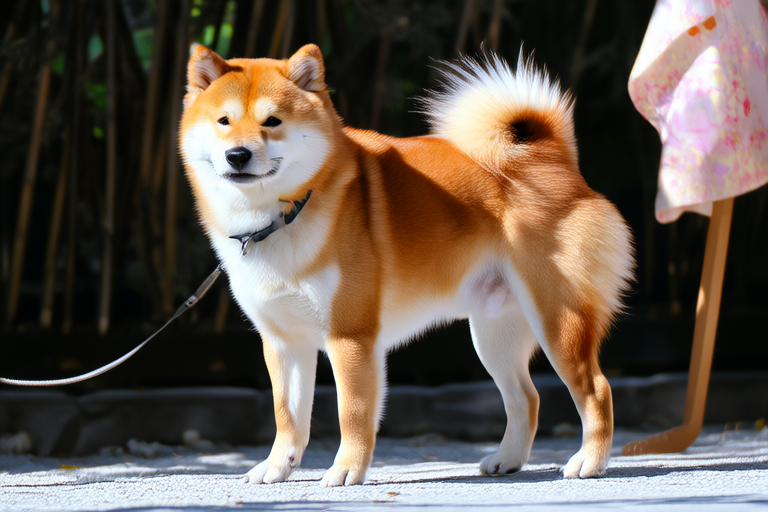
Shiba Inus are known for their independent spirit and loyal companionship. Originating from Japan, these dogs are small but sturdy, with a thick double coat that protects them from harsh weather conditions. They are often referred to as “fox-like” due to their appearance, which includes a pointed face, triangular ears, and a bushy tail. While they are charming and endearing, living with a Shiba Inu requires a specific approach to training, care, and management. This guide aims to provide you with all the necessary information to understand and enjoy your spirited Shiba Inu.
Understanding the Shiba Inu’s Unique Temperament
Shiba Inus have a reputation for being independent and somewhat aloof. This can be challenging for new owners who expect their dog to be overly affectionate or eager to please. However, it is important to recognize that this independence is part of their natural heritage as hunting dogs. They were bred to work alone or in pairs, making decisions based on their environment and instincts. Understanding this aspect of their character will help you manage expectations and build a stronger bond.
Training Techniques Tailored for Their Spirited Nature
Training a Shiba Inu requires patience and consistency. Positive reinforcement is key, as they respond well to rewards and praise rather than punishment. Early socialization and obedience training are crucial for developing good behavior. Use treats, toys, and verbal encouragement to motivate your Shiba Inu during training sessions. Keep sessions short and fun to maintain their interest and prevent boredom. Expert trainer, Sarah Thompson, advises, “Keep your training sessions light-hearted and engaging. Shibas thrive when they feel like they’re playing rather than working.”
Tips for Effective Socialization
Socializing your Shiba Inu is essential for their emotional development and to ensure they grow up to be well-adjusted adults. Expose them to various environments, people, and other animals from an early age. Puppy classes are an excellent way to introduce them to new experiences while providing structured training. It is also beneficial to take your Shiba Inu to parks, pet stores, and dog-friendly cafes. Remember, socialization should always be positive and stress-free for your dog.
Dietary Needs
Shibas require a balanced diet that supports their energy levels and maintains their health. High-quality dog food that meets their nutritional needs is recommended. Consult your veterinarian for advice on choosing the right food for your Shiba Inu. Avoid overfeeding, as obesity can lead to health problems. Treats should be given sparingly and should not exceed 10% of your dog’s daily caloric intake. Personal anecdote: “My Shiba Inu, Kuma, was prone to weight gain. We switched to a high-protein, low-carb diet and implemented a strict feeding schedule, which has made a significant difference.”
Exercise Routines
Shibas are energetic dogs that need regular physical activity to stay healthy and happy. Daily walks and playtime are essential. Agility courses, fetch, and interactive games are great ways to keep them engaged and mentally stimulated. Consider enrolling your Shiba Inu in dog sports such as flyball or agility competitions. These activities not only provide exercise but also offer mental stimulation and opportunities for bonding. Expert insight: “Shibas excel in agility due to their natural athleticism and intelligence,” says canine behaviorist Dr. Emily Carter.
Grooming Requirements
Grooming your Shiba Inu is an important part of their care routine. Their double coat requires brushing several times a week to remove loose hair and prevent matting. During shedding season, which typically occurs twice a year, more frequent grooming may be necessary. Bathing should be done every few months or as needed. Pay special attention to their eyes and ears to prevent infections. Regular nail trimming is also essential to avoid discomfort and potential injury.
Common Health Issues
While Shiba Inus are generally healthy, they are prone to certain genetic conditions. Hip dysplasia, patellar luxation, and progressive retinal atrophy are among the most common issues. Regular veterinary check-ups and preventative care are vital for maintaining your Shiba Inu’s health. Early detection and treatment of any health concerns can improve your dog’s quality of life. Personal experience: “I noticed my Shiba Inu limping slightly after a walk. A visit to the vet revealed mild hip dysplasia. With proper medication and management, she is now able to enjoy her daily activities.”
Strategies for Managing Their Independence
Managing the independence of a Shiba Inu can be challenging but rewarding. Establish clear boundaries and rules from the start. Consistency is key in reinforcing these guidelines. Provide plenty of mental and physical stimulation to prevent boredom and destructive behavior. Interactive toys and puzzle feeders are excellent tools for keeping your Shiba Inu engaged. Encourage them to make decisions within safe parameters to satisfy their desire for autonomy. Expert advice: “Allow your Shiba Inu to explore and make choices within a controlled environment. This helps them feel empowered while ensuring safety,” suggests animal behaviorist Dr. Mark Davis.
Conclusion
Living with a spirited Shiba Inu is a rewarding experience that comes with its own set of challenges. By understanding their unique temperament, implementing effective training techniques, and providing proper care, you can build a strong and loving relationship with your Shiba Inu. Embrace their independence and individuality, and you’ll find yourself with a loyal companion who brings joy and adventure into your life.
