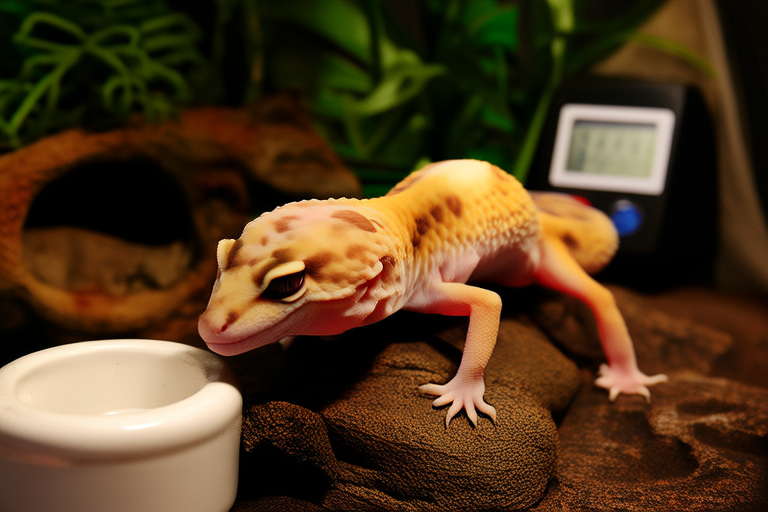
Leopard Gecko Care Guide: Tips from Expert Breeders
Welcome to your comprehensive guide to caring for leopard geckos. Whether you’re a first-time owner or an experienced breeder, this guide will provide you with essential tips and expert advice to ensure your leopard gecko thrives. We’ll cover habitat setup, diet requirements, health maintenance, breeding insights, and common mistakes to avoid.
Habitat Setup
The first step in providing optimal care for your leopard gecko is setting up a suitable habitat. This section offers expert advice on creating a comfortable living space for your gecko.
Choosing the Right Enclosure
Expert breeder Sarah Thompson recommends a 20-gallon tank as a minimum size for a single adult leopard gecko. “It’s important to give them enough space to move around comfortably,” she says. For pairs or trios, consider larger enclosures to prevent stress and territorial disputes.
Substrate Selection
Choosing the right substrate is crucial for your gecko’s health. Many experts suggest reptile carpet or paper towels for ease of cleaning and safety. Avoid substrates like sand or wood shavings, which can lead to impaction if ingested.
Temperature and Humidity Control
Maintaining proper temperature and humidity levels is vital. Geckos need a thermal gradient with a cool side (75-80°F) and a warm side (88-90°F). Use under-tank heaters or ceramic heat emitters to achieve these temperatures. Keep humidity between 30% and 40% to prevent respiratory issues.
Hiding Spots and Decorations
Your gecko needs hiding spots for security and stress reduction. Provide caves, cork bark, or commercially available hide boxes. Ensure that any decorations are securely placed to prevent injuries.
Diet Requirements
Feeding your leopard gecko a balanced diet is key to its overall health. Here’s what you need to know about their nutritional needs.
Types of Food
Leopard geckos are insectivores, meaning their diet consists mainly of insects. Crickets, mealworms, and dubia roaches are popular choices. Feed young geckos daily and adults every other day.
Supplements
Vitamins and minerals are essential for proper growth and development. Dust feeder insects with calcium and vitamin D3 supplements weekly. Consult with a veterinarian to determine the correct dosage.
Feeding Techniques
Always offer live prey that is appropriately sized. A good rule of thumb is that the prey item should be no wider than the space between your gecko’s eyes. Remove uneaten insects after one hour to prevent nibbling.
Health Maintenance
Regular health checks and preventative measures are necessary to keep your leopard gecko in top condition.
Regular Vet Checkups
Even healthy-looking geckos should visit a reptile-savvy veterinarian annually. This helps catch potential issues early and ensures your pet remains healthy.
Spot Cleaning and Deep Cleaning
Perform spot cleaning daily to remove waste and uneaten food. Deep clean the enclosure monthly, replacing substrate and thoroughly disinfecting all surfaces.
Signs of Illness
Monitor your gecko for signs of illness, such as lethargy, loss of appetite, or changes in stool consistency. If you notice any concerning symptoms, contact your veterinarian immediately.
Breeding Insights
If you’re interested in breeding leopard geckos, this section provides valuable information to help you get started.
Selecting Breeding Stock
Choose healthy, well-fed adults for breeding. Look for clear eyes, smooth skin, and a plump body. Ensure they have been housed separately to avoid stress and fighting.
Brumation
Brumation is a period of reduced activity similar to hibernation. Some breeders recommend brumating breeding stock for a few months before mating to stimulate reproductive hormones. Keep temperatures slightly cooler during this time but still within safe limits.
Encouraging Mating
Once brumation ends, introduce males and females into the same enclosure. Monitor their interactions closely; separation may be necessary if aggressive behavior occurs. Successful mating often results in eggs being laid approximately 28 days later.
Common Mistakes to Avoid
Avoid these common pitfalls to ensure your leopard gecko stays healthy and happy.
Inappropriate Housing
Underestimating the space required can lead to stress and health problems. Always provide ample room and appropriate hiding spots.
Improper Feeding Practices
Overfeeding can cause obesity, while underfeeding leads to malnutrition. Stick to recommended feeding schedules and portion sizes.
Neglecting Hygiene
Poor hygiene increases the risk of infections and diseases. Regular cleaning and disinfection of the enclosure are non-negotiable.
Ignoring Health Changes
Failing to recognize early signs of illness can worsen conditions. Stay vigilant and seek professional advice promptly if you suspect your gecko isn’t feeling well.
Conclusion
Caring for leopard geckos requires attention to detail and commitment. By following the expert advice provided in this guide, you’ll be well-equipped to provide your gecko with a healthy, happy life. Remember, each gecko is unique, so adapt these guidelines based on individual needs and preferences.
