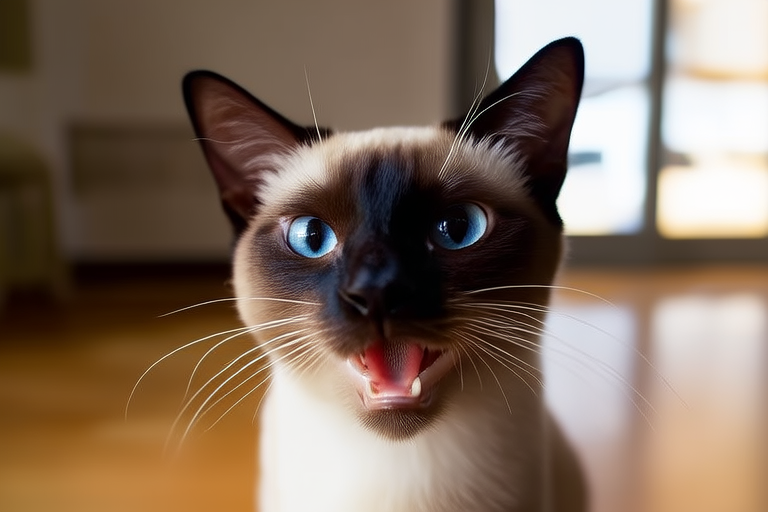
Siamese Cats and Their Unique Vocal Habits: What’s All the Meowing About?
Welcome to the world of Siamese cats, where the air is often filled with the melodic tones of their distinctive meows. Known for their striking blue almond-shaped eyes and pointy ears, Siamese cats have another notable feature – their talkative nature. If you’re considering adopting a Siamese or simply curious about this breed, understanding their unique vocal habits can provide valuable insight into their behavior and needs.
The Talkative Nature of Siamese Cats
Siamese cats are famous for being vocal and communicative. Their tendency to meow frequently sets them apart from many other cat breeds. This trait has earned them a reputation as one of the chattiest feline companions. The reasons behind this behavior are rooted in both their genetic makeup and their intelligence.
Siamese cats have a rich history that contributes to their vocal tendencies. Originating in Thailand (formerly Siam), these cats were highly valued in royal courts. Over time, they were selectively bred for their distinct physical traits and engaging personalities. Their intelligence and social nature have been honed through generations, resulting in a breed that thrives on interaction with humans.
Why Do Siamese Cats Meow So Much?
The frequency and intensity of Siamese meows serve multiple purposes. They are not just random sounds but are often a means of communication. Here are some common reasons behind their vocalizations:
- Seeking Attention: Siamese cats are highly social and enjoy being around people. When they feel neglected, they may meow to remind their owners of their presence and demand attention.
- Hunger or Thirst: A persistent meow could indicate that your Siamese is hungry or thirsty. Pay attention to their feeding schedule and ensure they always have access to fresh water.
- Health Issues: Sometimes, increased vocalization can be a sign of discomfort or illness. If your cat’s meowing seems unusual or accompanied by other symptoms like lethargy or loss of appetite, consult a veterinarian.
- Loneliness: Siamese cats are known for their strong bonds with their human families. Being left alone for extended periods can trigger excessive meowing as they seek comfort and companionship.
Understanding these triggers can help you address your Siamese’s needs more effectively and reduce unnecessary meowing.
Comparisons with Other Cat Breeds
Not all cat breeds are as vocal as Siamese cats. While some breeds are relatively quiet, others share similar communicative tendencies. Let’s compare Siamese cats with a few other popular breeds:
- Maine Coon: Known for their gentle demeanor, Maine Coons tend to be quieter than Siamese. However, they are also quite intelligent and may occasionally vocalize when seeking attention.
- Bengal: Bengal cats are energetic and playful, often vocalizing during playtime. However, their meows are usually less frequent and more subdued compared to Siamese.
- Persian: Persian cats are generally calm and quiet, preferring to communicate through body language rather than vocalizations.
While each breed has its own unique traits, Siamese cats stand out for their consistent and expressive vocalizations.
Tips for Owners of Siamese Cats
Owning a Siamese cat can be rewarding, but it also requires patience and understanding of their vocal habits. Here are some tips to help you manage and appreciate your Siamese’s communication style:
- Establish a Routine: Providing a structured daily routine can help reduce anxiety and excessive meowing. Feed your Siamese at regular intervals and allocate specific times for play and interaction.
- Interactive Toys: Engage your cat with interactive toys to keep them mentally stimulated and physically active. This can help divert their attention away from constant meowing.
- Quality Time: Spend quality time with your Siamese each day. They thrive on companionship and will appreciate your presence.
- Training: Positive reinforcement training can teach your Siamese to associate certain behaviors with rewards. For example, you can reward them with treats when they stop meowing and remain calm.
By implementing these strategies, you can foster a harmonious relationship with your Siamese cat while respecting their need for interaction.
Anecdotes and Insights
Many Siamese owners have shared stories that highlight the breed’s intelligence and unique communication style. One owner, Sarah, recalls how her Siamese cat, Luna, would meow persistently whenever she was preparing food. After a while, Sarah realized that Luna wasn’t just demanding attention but was actually trying to tell her something. It turned out that Luna had learned to associate meal preparation with feeding time and was communicating her hunger.
Another anecdote involves Tom, who adopted a Siamese kitten named Milo. Milo was very vocal and often kept Tom awake at night with his meowing. After consulting a veterinarian, Tom discovered that Milo was lonely and needed more companionship. By providing Milo with a cozy bed in the bedroom and spending extra time with him before bedtime, Tom noticed a significant reduction in nighttime meowing.
These stories illustrate the importance of understanding and addressing the underlying causes of Siamese vocalizations.
Conclusion
Siamese cats are indeed unique in their vocal habits, but their meowing is not just noise; it’s a form of communication. Their talkative nature stems from their intelligence, social nature, and desire for interaction. By recognizing the reasons behind their vocalizations and providing proper care and attention, you can enjoy a rewarding relationship with your Siamese companion. Whether they’re seeking attention, expressing hunger, or simply sharing their thoughts, Siamese cats have much to say and are eager to engage with their human families.
If you’re ready for a lively and communicative feline friend, a Siamese might just be the perfect match for you. Embrace their vocal habits as part of their charm and enjoy the enriching experience of living with one of these remarkable cats.
