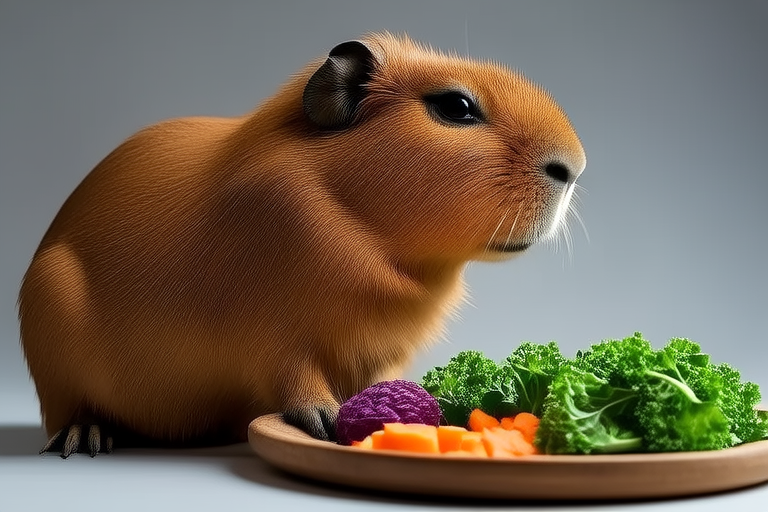
Guinea Pig Diets Decoded: What Every Owner Needs to Know About Nutrition
Welcome to the world of guinea pig nutrition! As a responsible pet owner, understanding the dietary needs of your guinea pig is crucial for their health and well-being. This comprehensive guide will help you decode the complex world of guinea pig diets, ensuring your pet enjoys a balanced and nutritious meal plan.
The Essentials: Nutrients Your Guinea Pig Needs
Guinea pigs, like humans, cannot produce their own vitamin C, making it an essential part of their diet. A deficiency in this nutrient can lead to scurvy, a disease characterized by lethargy, swollen joints, and bleeding gums. To prevent this, provide your guinea pig with a constant supply of fresh fruits and vegetables rich in vitamin C, such as bell peppers, strawberries, and oranges.
In addition to vitamin C, guinea pigs require a steady intake of fiber to maintain healthy digestion. Fiber helps prevent hairballs, promotes regular bowel movements, and supports overall gut health. Ensuring your guinea pig gets enough fiber is key to preventing serious health issues.
The Foundation: Hay, Fresh Vegetables, and Pellets
The foundation of any guinea pig diet should be high-quality hay. Timothy hay is a popular choice, but orchard grass and oat hay are also suitable options. Hay provides the necessary fiber for proper digestion and dental health, helping to wear down continuously growing teeth. Offer unlimited access to fresh hay daily to keep your guinea pig happy and healthy.
Fresh vegetables are another vital component of a guinea pig’s diet. These should be provided daily, with leafy greens like romaine lettuce, kale, and spinach being excellent choices. Remember to wash vegetables thoroughly before feeding them to your pet to remove any pesticides or dirt.
Pellets designed specifically for guinea pigs are also important. They offer a balanced mix of vitamins, minerals, and proteins that may not be present in sufficient quantities in other food sources. Choose pellets without added sugars or artificial ingredients and avoid overfeeding them, as they can lead to obesity and other health problems.
Safe and Unsafe Foods for Guinea Pigs
While there are many safe foods for guinea pigs, some can be harmful if not given in moderation. Lettuce, while tasty, can cause diarrhea if fed excessively due to its high water content. Similarly, certain fruits and vegetables, like tomatoes and rhubarb, should be avoided entirely because they contain substances that can be toxic to guinea pigs.
A common mistake made by owners is feeding their guinea pigs too much fruit. Although fruits are a good source of vitamin C, they are also high in sugar, which can lead to weight gain and tooth decay. It’s best to limit fruit consumption to small portions, once or twice a week.
Another frequent error is providing too many treats. While it’s tempting to reward your guinea pig with snacks, these should be given sparingly. Treats often lack the necessary nutrients found in hay and vegetables, and excessive consumption can lead to obesity and digestive issues.
Portion Control and Meal Variety
Maintaining a balanced diet for your guinea pig involves careful attention to portion sizes and meal variety. Start by offering a handful of fresh hay each day, adjusting the amount based on your pet’s size and appetite. For vegetables, aim for about one cup per day, divided into two or three servings.
Introduce new foods gradually to avoid upsetting your guinea pig’s stomach. Begin with small amounts and observe for any signs of discomfort or allergic reactions. If your pet tolerates the new food well, you can gradually increase the serving size.
Variety is key to ensuring your guinea pig receives all the necessary nutrients. Rotate between different types of vegetables and fruits, but always stick to safe options. This not only prevents boredom but also ensures a diverse range of vitamins and minerals in their diet.
Introducing New Foods and Monitoring Health
When introducing new foods to your guinea pig’s diet, proceed cautiously. Start with small quantities and monitor your pet closely for any adverse reactions. Look out for signs such as diarrhea, bloating, or loss of appetite, which could indicate intolerance or allergies.
Regular monitoring of your guinea pig’s health through their diet is essential. Keep track of their eating habits and body condition. If you notice changes in appetite, stool consistency, or weight, consult a veterinarian immediately. These subtle indicators can signal underlying health issues that require prompt attention.
Lastly, maintaining a clean living environment is crucial for your guinea pig’s health. Regular cleaning of their cage and bedding helps prevent bacterial growth and keeps your pet comfortable. Clean water should always be available, and food dishes should be washed daily to prevent contamination.
In conclusion, understanding and implementing a balanced diet for your guinea pig is vital for their long-term health and happiness. By focusing on essential nutrients, providing a variety of safe foods, and practicing careful portion control, you can ensure your pet enjoys a fulfilling and nutritious life. Remember, a well-nourished guinea pig is a healthy and joyful companion!
