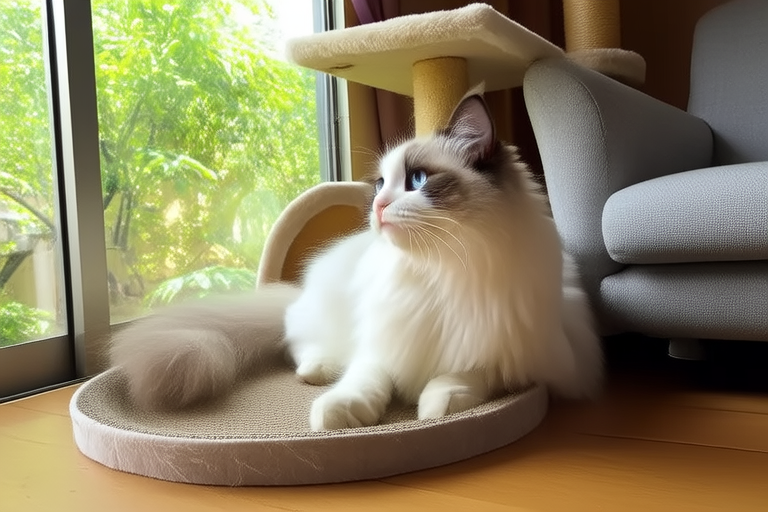
Transforming Your Home for a Happy Persian Cat Lifestyle
Welcome to your guide on creating the perfect living environment for your beloved Persian cat. Known for their luxurious coats and gentle demeanor, Persians require a unique blend of comfort, safety, and stimulation to thrive. This comprehensive guide will help you design a home that meets all these needs, ensuring your Persian cat enjoys a happy and healthy lifestyle.
The Importance of Vertical Spaces, Scratching Posts, and Hiding Spots
Persian cats are naturally curious and enjoy exploring their surroundings. Providing ample vertical space allows them to exercise their climbing instincts and offers a vantage point from which they can observe their environment. Incorporate cat trees, shelves, or window perches that allow your Persian to climb and survey their domain.
Scratching posts are essential for maintaining your Persian’s claws and marking territory. Choose posts with sturdy bases and varied textures to accommodate different preferences. Consider placing scratching posts near areas where your cat spends most of its time, such as by the entrance to your bedroom or in the living room.
Hiding spots provide a sense of security and privacy for your Persian. Offer cozy nooks, under-bed tents, or enclosed beds that give your cat a place to retreat when feeling overwhelmed or simply needing some alone time.
Cat-Friendly Furniture and Suitable Decorations
Select furniture that complements your Persian cat’s lifestyle. Opt for fabrics that are easy to clean and resistant to scratches. Leather sofas and chairs may be attractive, but they can easily be damaged by sharp claws. Instead, consider microfiber or suede options that offer a soft surface for your cat to lounge on.
Decorations should be chosen with care, ensuring they are non-toxic and free from small parts that could pose choking hazards. Avoid plants like lilies, philodendrons, and poinsettias, which are toxic to cats. Opt for pet-safe alternatives like spider plants or African violets.
Incorporate decorative elements that appeal to your Persian’s senses. Soft blankets, plush toys, and calming scents can enhance their living space. Be mindful of the placement of these items, ensuring they do not obstruct pathways or create tripping hazards.
Optimal Temperature and Humidity Levels
Persian cats prefer cooler temperatures, ideally between 68°F and 75°F (20°C and 24°C). Avoid exposing them to extreme heat, as this can lead to dehydration and other health issues. Use air conditioning during hot summer months to maintain a comfortable environment.
Maintaining proper humidity levels is crucial for preventing respiratory problems and skin irritations. Aim for humidity levels between 30% and 50%. Utilize humidifiers or dehumidifiers as necessary to achieve this range.
Grooming Spaces and Safe Cleaning Products
Designate a quiet area for grooming your Persian cat. Equip this space with a comfortable mat, grooming tools, and treats to make the experience enjoyable. Regular grooming sessions help maintain your cat’s coat and prevent hairballs. Persian cats require daily brushing to manage their long fur and reduce shedding.
Choose safe and effective cleaning products for your home. Opt for pet-safe, biodegradable cleaners that do not contain harsh chemicals or fragrances. These products are less likely to irritate your cat’s sensitive respiratory system and skin.
Dietary Considerations and Their Impact on the Home Environment
Proper nutrition is vital for maintaining your Persian cat’s overall health and well-being. Provide a balanced diet rich in protein, vitamins, and minerals. Consult with your veterinarian to determine the appropriate portion sizes and feeding schedule based on your cat’s age, weight, and activity level.
Feeding stations should be placed in quiet, low-traffic areas away from drafts and direct sunlight. Ensure that bowls are made of non-porous materials that are easy to clean and sanitize. Stainless steel or ceramic options are preferable over plastic, which can harbor bacteria.
Water bowls should be filled with fresh water daily. Consider using a water fountain to encourage your Persian to drink more, which can help prevent urinary tract infections and kidney disease. Position the water bowl away from food to avoid contamination.
Creating a Stimulating Environment
Persian cats benefit from mental and physical stimulation. Rotate toys regularly to keep your cat engaged and interested. Interactive toys that mimic prey, such as feather wands or laser pointers, can provide entertainment and exercise. Puzzle feeders that challenge your cat to retrieve treats also promote cognitive development.
Engage your Persian in play sessions daily to maintain a healthy weight and strong muscles. Tailor the duration and intensity of playtime based on your cat’s energy levels and preferences. Some Persians may enjoy short bursts of high-energy play, while others prefer more relaxed activities like lounging with you.
Conclusion
By following these guidelines, you can create a nurturing and stimulating environment for your Persian cat. A well-designed home not only enhances your cat’s quality of life but also strengthens the bond between you and your feline companion. Remember that each Persian has unique needs and preferences, so be attentive to your cat’s behavior and adjust the living space accordingly. With love, care, and attention to detail, you can ensure your Persian cat leads a happy and fulfilling life.
