Unveiling the Secret Lives of Persian Cats: What Your Feline Isn’t Telling You
Persian cats, with their luxurious coats and serene expressions, have long been cherished by cat enthusiasts worldwide. Known for their elegance and grace, these felines are not just pretty faces; they carry a rich history and a set of unique characteristics that make them one of the most fascinating breeds. In this article, we will delve into the hidden world of Persian cats, uncovering the secrets behind their behavior, grooming routines, health concerns, and social interactions.
The History and Physical Traits of Persian Cats
The origins of the Persian cat can be traced back to ancient Persia (modern-day Iran), where they were admired for their beauty and gentle demeanor. They were introduced to Europe in the 17th century and quickly became a favorite among aristocrats and royalty. Over time, selective breeding has refined the Persian cat’s appearance, resulting in the large, round head, short nose, and full cheeks that are so characteristic of the breed today.
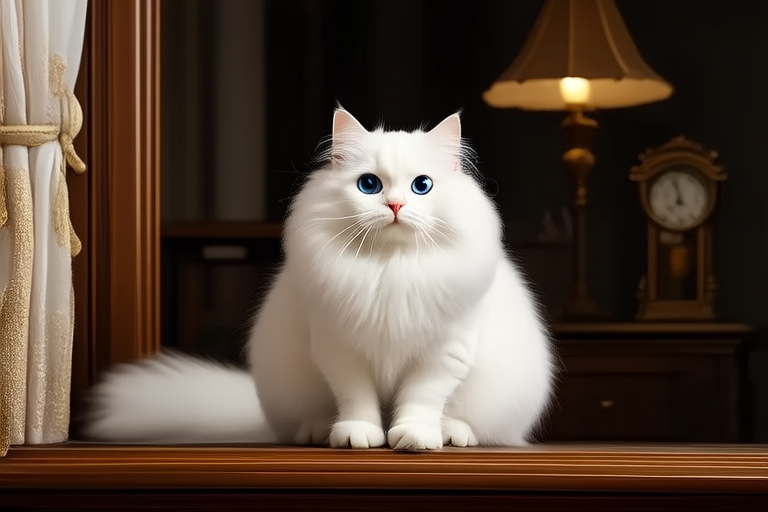
One of the most striking features of Persian cats is their long, flowing coat. This plush fur requires regular grooming to prevent matting and tangling, making it a significant responsibility for owners. The coat comes in a wide variety of colors, from solid whites and blacks to striking tabby patterns and silvers. Their eyes, typically blue or copper, add to their regal appearance, complementing their soft, rounded facial structure.
Popular myths about Persian cats often include the belief that they are less active than other breeds, leading some to think they are lazy. However, this is a misconception. While they may prefer quieter environments, Persian cats are quite playful and enjoy interactive toys and games. Another myth is that all Persian cats have breathing difficulties due to their short noses. While brachycephalic airway syndrome (BAS) is common in the breed, proper care and veterinary attention can help manage this condition effectively.
Secret Behaviors of Persian Cats
Persian cats are known for their preference for calm, clean environments. They thrive in quiet spaces and can become stressed in noisy or chaotic homes. Owners who provide a peaceful living area for their Persian cat will likely see a more content and relaxed pet. Understanding and respecting their need for tranquility is key to ensuring their happiness.
Communication is another area where Persian cats can be misunderstood. They are not vocal like Siamese cats but express themselves through body language and subtle sounds. A gentle purr or a soft meow can indicate contentment, while a flick of the tail might signal irritation. Learning to read your Persian cat’s body language will deepen your bond and enhance your ability to meet their needs.
Grooming Habits and Health Issues
The luxurious coat of Persian cats requires diligent grooming. Daily brushing is necessary to remove loose hair and prevent mats. Bathing should be done occasionally, especially if the cat has difficulty keeping itself clean. Regular grooming sessions also provide an opportunity to check for any skin irritations or signs of illness. Professional grooming can be beneficial for maintaining the coat’s health and appearance.
Health issues specific to the Persian breed include dental problems, kidney disease, and obesity. Regular dental care, including brushing and professional cleanings, is essential. Monitoring your cat’s weight and providing a balanced diet can help prevent obesity, which can lead to joint problems and other health complications. Routine veterinary check-ups are crucial for early detection and management of potential health issues.
Dietary Needs
A well-balanced diet is vital for the overall health of a Persian cat. High-quality commercial cat food, specifically formulated for indoor cats or those with sensitive stomachs, is recommended. Wet food can be particularly beneficial for hydration, especially since Persian cats may not drink enough water. Consultation with a veterinarian can help determine the best dietary plan for your cat based on age, activity level, and any existing health conditions.
Social Interactions
Persian cats are affectionate and enjoy the company of their human families. They tend to form strong bonds with their owners and can be very loyal companions. However, their affectionate nature does not always translate to high levels of energy or constant attention-seeking. Persian cats are often described as having an ‘indoor cat’ personality, preferring quiet moments over active play.
When it comes to other pets, Persian cats can be tolerant but may not actively seek interaction. They tend to coexist peacefully with other animals, provided there is no aggressive behavior from the newcomers. Introducing new pets gradually and under supervision can help ensure a smooth transition.
Advice for Owners
Understanding and caring for a Persian cat requires patience and a willingness to tailor your approach to their individual quirks. By creating a calm, clean environment and providing consistent grooming, you can ensure your cat remains healthy and happy. Pay close attention to their body language and vocalizations to better understand their needs and preferences. Regular veterinary care and a balanced diet are essential for managing any health issues that may arise.
In conclusion, Persian cats are more than just beautiful companions; they are intelligent, sensitive creatures with unique needs and behaviors. By delving into their secret lives, we gain a deeper appreciation for these elegant felines and learn how to provide them with the love and care they deserve. Whether you are a seasoned cat owner or considering adopting a Persian cat, understanding their true nature will enrich your relationship and bring joy to both of you.
