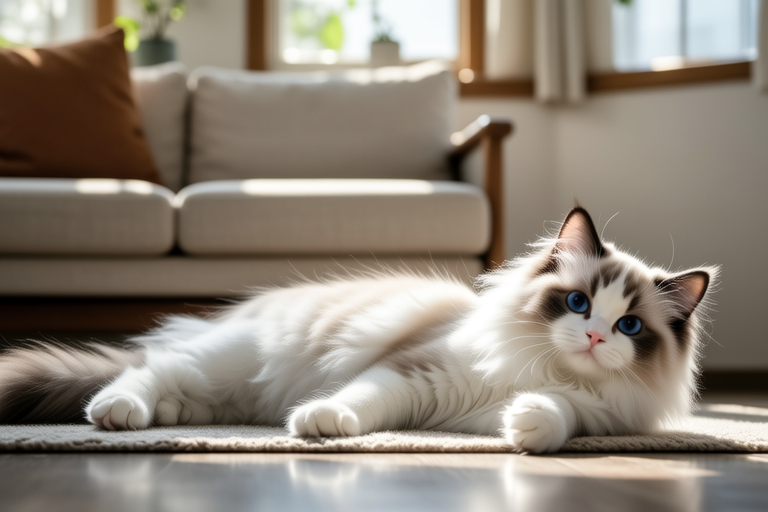
From Playful Kittens to Laid-Back Adults: The Remarkable Journey of Ragdolls
Ragdoll cats have captured the hearts of countless cat lovers around the world with their striking appearance and gentle demeanor. Known for their semi-longhaired coats, blue almond-shaped eyes, and distinctive color points, these felines are distinguished by their docile nature and affectionate personalities. Their laid-back attitude and tendency to go limp when picked up earned them the name ‘Ragdoll.’ These qualities make them ideal companions for families, older adults, and individuals seeking a serene and loving pet. In this article, we will explore the remarkable journey of Ragdolls, from their playful kittenhood to their serene adulthood, providing valuable insights for both current and prospective owners.
The Enigmatic Beginnings: Early Life and Behavior
The journey of a Ragdoll begins at birth, where they emerge as tiny, vulnerable creatures, each one a unique blend of genes from their parents. Newborn Ragdolls typically weigh between 3 to 4 ounces and are entirely dependent on their mothers for warmth and nourishment. As they grow, their eyes open within the first two weeks, revealing their characteristic blue eyes that captivate everyone who looks into them. By the third week, they start to develop motor skills, learning to walk and play with their littermates.
At around six weeks, Ragdoll kittens begin to show their individual personalities. They become more interactive and playful, often engaging in games that involve chasing toys or playing with their siblings. During this phase, they are particularly curious about their surroundings, exploring every corner of their environment with unbridled enthusiasm. It is crucial to provide them with safe spaces and plenty of stimulation to encourage healthy physical and mental development.
Training Ragdoll kittens can be a delightful experience, as they are generally eager to please and respond well to positive reinforcement. Early socialization is key, helping them become comfortable with various people, animals, and environments. Training sessions should be short and fun, incorporating treats and praise to reward good behavior. This not only aids in teaching basic commands but also strengthens the bond between owner and kitten.
Growing Up: The Transition to Adolescence
As Ragdoll kittens grow into adolescents, their bodies undergo significant changes. By four months, they have reached approximately half their adult size, with their coats becoming longer and fuller. This period is marked by increased energy levels and a desire to explore further. Adolescents may exhibit more independent behavior, venturing out of their comfort zones and testing boundaries. However, their core docile nature remains intact, making them relatively easy to manage.
Dietary needs change during this stage as well. Adolescents require a balanced diet rich in protein, fats, and essential vitamins to support their rapid growth. Regular vet check-ups are recommended to monitor their development and ensure optimal health. Vaccinations and deworming should be kept up-to-date to protect against common feline ailments.
Physical activity becomes increasingly important during adolescence. Providing climbing structures, scratching posts, and interactive toys helps channel their abundant energy into constructive play. This not only keeps them physically fit but also promotes mental stimulation, reducing the likelihood of behavioral issues.
Adulthood: A Time of Serenity and Contentment
By the time Ragdolls reach adulthood, usually around one to two years old, they have fully developed their distinctive traits. Adult Ragdolls are known for their calm and relaxed demeanor, often described as ‘lap cats’ due to their preference for close contact with their owners. They tend to be gentle, affectionate, and patient, making them excellent companions for children and other pets.
Health considerations become more pronounced in adulthood. While Ragdolls are generally healthy, they are prone to certain hereditary conditions such as hypertrophic cardiomyopathy (HCM), a form of heart disease. Regular veterinary care is essential to catch and address any potential health issues early. Maintaining a nutritious diet and ensuring regular exercise contribute to overall wellness.
Adult Ragdolls enjoy a variety of activities that cater to their laid-back yet playful nature. They often appreciate gentle games like fetch or hide-and-seek, which can be played indoors or in a secure outdoor area. Many Ragdolls also enjoy watching birds or fish from a window perch, finding entertainment in observing the natural world outside. Interactive toys that stimulate their minds and bodies keep them engaged and happy.
The Enduring Charm: Companionship Through the Ages
The enduring charm of Ragdoll cats lies in their unwavering loyalty and affection. From their playful kittenhood to their serene adulthood, they offer constant companionship and emotional support. Their ability to adapt to different living situations and their compatibility with various household dynamics make them versatile and beloved pets.
For potential owners, it is essential to understand the commitment involved in caring for a Ragdoll. Providing a loving home, regular healthcare, and stimulating activities ensures their happiness and well-being. Ragdolls thrive on attention and interaction, so spending quality time with them is crucial. Patience, understanding, and love go a long way in nurturing a strong bond with these remarkable felines.
In conclusion, Ragdoll cats offer a unique and rewarding experience for those fortunate enough to share their lives. From their playful kittenhood to their serene adulthood, they consistently demonstrate their gentle and affectionate nature. Whether you’re a seasoned cat lover or considering your first feline companion, a Ragdoll is sure to bring joy and companionship into your life. Embrace the journey of raising a Ragdoll, and you’ll find yourself enriched by their enduring charm and companionship.
