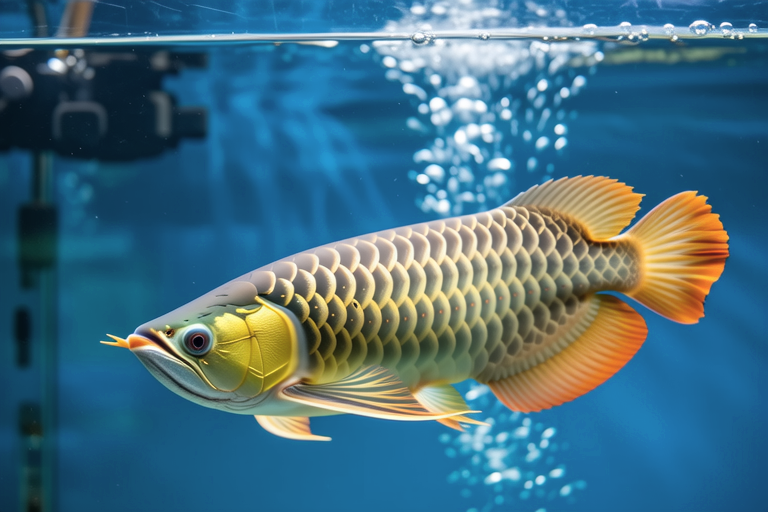
Tank Talk: Raising the Exquisite Arowana Like a Pro
Introduction
The arowana, often referred to as the dragon of the water, is one of the most sought-after fish species among aquarists worldwide. Known for their striking appearance and cultural significance, these ancient creatures have captivated human fascination for centuries. Originating from Southeast Asia, arowanas are revered for their metallic scales that shimmer like precious metals, their robust bodies, and their remarkable ability to leap out of the water. In many cultures, they are symbols of good fortune and prosperity, making them highly valued not just for their beauty but also for their cultural importance. Raising arowanas requires a deep understanding of their unique needs and careful attention to detail. This guide will walk you through the essentials of keeping these magnificent creatures healthy and thriving.
Setting Up the Ideal Tank Environment
Creating a suitable habitat for arowanas involves more than just providing ample space. These fish are active swimmers and require a tank that allows them to move freely without stress. The minimum tank size recommended for a single adult arowana is approximately 240 gallons (907 liters), but larger tanks are preferable. Ensure the tank is equipped with a strong filtration system capable of handling large volumes of water efficiently. Arowanas prefer well-oxygenated water, so consider installing additional aeration devices if necessary.
Substrate choice is crucial; opt for a smooth, non-abrasive material such as large pebbles or river stones. Avoid sharp-edged substrates that could injure the fish. Decorations should be sturdy and safe, providing hiding spots while avoiding sharp corners. Live plants can enhance the aesthetic appeal of the tank and improve water quality, but choose species that can withstand the conditions and the potential damage from an enthusiastic arowana.
Essential Water Parameters
Maintaining optimal water conditions is paramount for the health of your arowana. The pH level should ideally range between 6.8 and 7.2, reflecting slightly acidic to neutral water. Temperature stability is critical, with a consistent temperature of around 26°C to 30°C (79°F to 86°F). Regular testing of water parameters using reliable test kits is advised to ensure water quality remains within acceptable ranges. Ammonia and nitrite levels should always read zero, while nitrate levels should be kept below 20 ppm. Conduct partial water changes regularly, typically 10-20% weekly, to maintain water clarity and nutrient balance.
Dietary Needs for Optimal Health
Arowanas are carnivorous predators with specific dietary requirements. Their diet should primarily consist of high-quality live foods such as feeder fish, shrimp, and insects. It’s important to vary the diet to provide a balanced intake of nutrients. Some aquarists also incorporate frozen or freeze-dried alternatives when live food is unavailable, but these should be used sparingly. Feeding frequency should be limited to two or three times a week, as overfeeding can lead to obesity and health issues. Always observe the fish during feeding sessions to ensure they consume their food within a reasonable time frame.
Tips on Handling and Maintaining Arowanas
Handling arowanas should be done with extreme care due to their delicate nature and powerful jaws. When moving or transporting the fish, use a soft net and avoid lifting them directly out of the water. Instead, gently scoop them into a pre-filled container with tank water. Regular maintenance of the tank environment is vital; this includes cleaning filters, checking for signs of disease, and monitoring overall fish behavior. Signs of distress, such as lethargy, loss of appetite, or abnormal swimming patterns, should prompt immediate investigation and corrective action.
Common challenges include aggression among tankmates and territorial disputes. Arowanas are solitary by nature and may exhibit aggressive behaviors towards other fish, especially those resembling their own species. To prevent conflicts, it’s advisable to house only one arowana per tank unless multiple compatible species are introduced carefully. Additionally, monitor water quality closely, as fluctuations can stress the fish and make them more susceptible to illness.
Legal Considerations and Conservation Efforts
Owning arowanas comes with significant legal implications. In many countries, there are strict regulations governing the import, export, and trade of these fish due to their endangered status. It is crucial to verify local laws and obtain any necessary permits before acquiring arowanas. Responsible aquarists contribute positively to conservation efforts by supporting sustainable breeding practices and choosing captive-bred specimens over wild-caught ones. Engaging with reputable breeders who prioritize ethical treatment and environmental stewardship ensures that your hobby aligns with broader ecological goals.
Conservation organizations and governmental bodies work tirelessly to protect natural habitats and promote sustainable practices. By participating in these initiatives and spreading awareness about the importance of preserving biodiversity, aquarists play a pivotal role in safeguarding the future of arowanas and countless other species.
In conclusion, raising arowanas demands dedication, knowledge, and commitment. By providing an enriching environment, attentive care, and adherence to legal guidelines, you can enjoy the splendor of these extraordinary creatures while contributing positively to their conservation. Embrace the journey of becoming an expert in arowana husbandry, and let your passion inspire others to join in the quest for sustainable aquatic life preservation.
