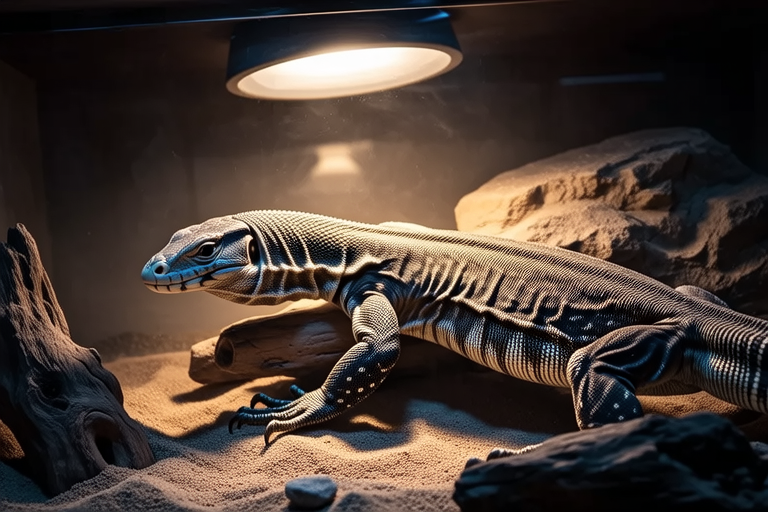
How to Successfully Housebreak Your Water Monitor and More!
Welcome to the world of water monitors! These incredible creatures are fascinating pets, but they require careful attention and a bit of patience to ensure they are well-adjusted and comfortable in their new home. Housebreaking a water monitor can be a challenging task, but with the right approach, it’s entirely achievable. This guide will walk you through the steps to successfully housebreak your water monitor, understand their feeding habits, maintain hygiene, and provide necessary enrichment.
Understanding the Basics: What You Need to Know About Water Monitors
Water monitors (Varanus salvator) are large lizards native to Southeast Asia. They are highly intelligent, active, and curious, which makes them both rewarding and demanding pets. Understanding their natural behavior is crucial to providing them with a suitable environment and fostering a positive relationship.
Creating a Designated Bathroom Area
The first step in housebreaking your water monitor is to establish a specific area for them to relieve themselves. This can be a corner of their enclosure or a separate bathroom space that you introduce them to regularly. Here’s how to set it up:
- Select a Spot: Choose a quiet, easily accessible corner of their enclosure or a dedicated bathroom area outside the enclosure. Ensure it’s away from their feeding and sleeping areas.
- Use Appropriate Substrate: Opt for substrates that absorb moisture, such as coconut coir or reptile-safe litter. Avoid fine particles like sand, which can cause respiratory issues.
- Introduce the Area: Place your monitor in the designated bathroom area daily. Initially, they might resist, but with consistent practice, they’ll learn to associate this area with their bathroom needs.
Understanding Feeding Habits
Water monitors have robust appetites and varied diets. Their feeding habits play a significant role in their overall health and behavior. Here’s what you need to know:
- Dietary Needs: Feed your monitor a balanced diet consisting of insects, rodents, fish, and occasionally fruits. Juvenile monitors eat more frequently than adults, requiring daily feedings.
- Feeding Schedule: Establish a regular feeding schedule to help regulate their eating habits and reduce the likelihood of overeating. This also helps in predicting when they might need to relieve themselves.
- Feeding Location: Always feed your monitor in a specific location within their enclosure. This helps prevent accidental messes and reinforces the concept of designated areas for different activities.
Maintaining Hygiene
Hygiene is crucial for both the health of your monitor and your living space. Here are some tips to keep things clean and fresh:
- Regular Cleaning: Clean the bathroom area daily to remove waste and refresh the substrate. This keeps the area appealing for future use.
- Bathing Routine: Provide your monitor with regular baths, especially if they spend time outside their enclosure. This helps them stay clean and encourages them to use the bathroom area.
- Enclosure Maintenance: Regularly check and clean the entire enclosure to prevent any buildup of bacteria or parasites. This ensures a healthy living environment for your monitor.
Providing Necessary Enrichment
Water monitors are intelligent animals that thrive on mental and physical stimulation. Here’s how to enrich their environment:
- Toys and Tunnels: Introduce interactive toys and tunnels that encourage exploration and exercise. This keeps them mentally engaged and physically active.
- Hiding Spots: Provide multiple hiding spots within the enclosure. This mimics their natural habitat and provides security, reducing stress.
- Swimming Area: If possible, include a swimming area in their enclosure. Water monitors enjoy swimming and it’s essential for their well-being.
Common Challenges and How to Overcome Them
Housebreaking a water monitor isn’t without its challenges. Here are some common issues and solutions:
- Resistance to Using the Bathroom Area: If your monitor resists using the designated bathroom area, try placing them there immediately after meals. Consistency is key here.
- Accidents Outside the Enclosure: If accidents happen outside the enclosure, calmly place your monitor back in the bathroom area and reinforce the correct behavior. Avoid punishment, as it can lead to fear and stress.
- Reluctance to Use Substrate: Some monitors may refuse to use certain types of substrate. Experiment with different options until you find one they prefer.
The Importance of Patience and Consistency
Patience and consistency are vital in the housebreaking process. Each monitor is unique, and some may take longer to adapt than others. Stay patient and continue reinforcing good behaviors. Celebrate small victories along the way to keep both you and your monitor motivated.
Conclusion
Successfully housebreaking your water monitor requires dedication, patience, and a clear understanding of their needs. By establishing a designated bathroom area, understanding their feeding habits, maintaining hygiene, and providing necessary enrichment, you can create a harmonious living environment for both you and your pet. Remember, every step forward, no matter how small, brings you closer to a well-trained and happy water monitor. Happy housebreaking!
