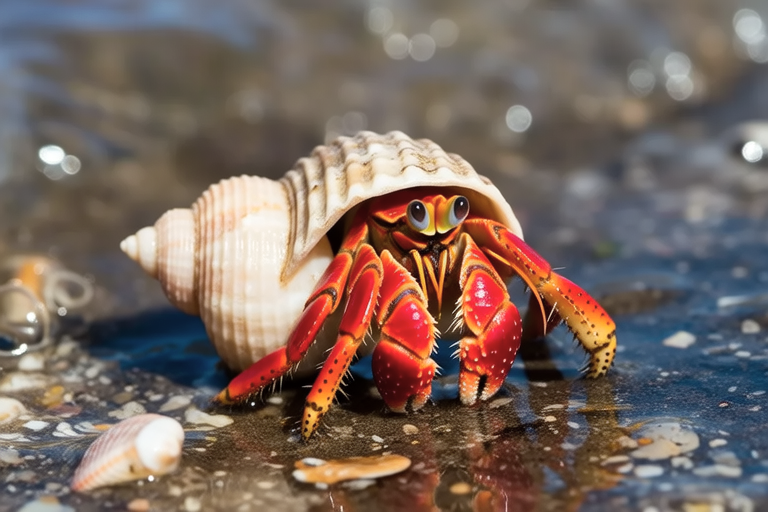
Hermit Crabs: Tiny Terrors or Tiny Treasures?
Hermit crabs, those intriguing little creatures that have captured the imagination of beachgoers and pet enthusiasts alike, are often viewed through two very different lenses: as “Tiny Terrors” or “Tiny Treasures.” Their unique behaviors, habitats, and ecological roles offer a fascinating glimpse into the complex world of marine life. This article delves into the dual perceptions of hermit crabs, exploring their shell-changing habits, social dynamics, and adaptations for survival. We will also highlight the challenges and benefits they present to ecosystems and address common misconceptions about keeping them as pets.
The Shell-Changing Habit: A Survival Strategy
One of the most distinctive features of hermit crabs is their habit of changing shells. This behavior is not just a quirky quirk but a crucial survival strategy. Hermit crabs do not have a hard exoskeleton covering their entire body like other crustaceans; instead, they rely on discarded mollusk shells for protection. As they grow, they outgrow their current shell and must find a new one. This process can be quite dramatic, especially when they encounter a shell that is just right. The competition for shells can be fierce, with hermit crabs sometimes fighting over the best options available.
Scientifically, this behavior is known as coenesthesia, where organisms live in or on another organism’s body. For hermit crabs, it means they are constantly on the lookout for shells that provide adequate protection while allowing room for growth. This adaptation has allowed hermit crabs to thrive in various environments, from tropical beaches to deep-sea trenches.
Social Dynamics and Community Life
Despite their solitary appearance, hermit crabs are surprisingly social creatures. They often gather in large groups, especially during mating season. These gatherings are not just for reproduction but also serve as a platform for communication and cooperation. Hermit crabs have been observed sharing food resources and even helping each other find suitable shells. This cooperative behavior is essential for their survival, particularly in areas where shell availability is limited.
Hermit crabs communicate through a variety of methods, including chemical signals and vibrations. They can detect these signals over long distances, which helps them coordinate their movements and activities. This level of social interaction is unusual for crustaceans and highlights the complexity of hermit crab societies.
Adaptations for Survival
Hermit crabs have evolved several remarkable adaptations that enable them to survive in challenging environments. One of the most notable is their ability to tolerate extreme temperatures and salinity levels. This adaptability allows them to thrive in diverse habitats, from freshwater streams to saltwater oceans. Another important adaptation is their nocturnal lifestyle, which helps them avoid predators and harsh sunlight.
Hermit crabs also possess specialized appendages called chelipeds, which they use for defense and feeding. These powerful claws can deliver a painful pinch, deterring potential threats. Additionally, hermit crabs have excellent senses of smell and touch, which help them navigate their environment and locate food.
Ecological Roles and Challenges
Hermit crabs play a vital role in maintaining the health of their ecosystems. They contribute to nutrient cycling by breaking down organic matter and recycling nutrients back into the environment. In some cases, hermit crabs can even help prevent the spread of invasive species by preying on their eggs and larvae. However, there are also challenges associated with their presence in certain ecosystems.
In some areas, hermit crabs can become pests, competing with native species for resources and altering the balance of local ecosystems. For example, in Hawaii, introduced populations of hermit crabs have been linked to declines in native snail populations due to predation. This underscores the importance of understanding the ecological impacts of non-native species and the need for responsible management practices.
Common Misconceptions About Keeping Hermit Crabs as Pets
Hermit crabs have become increasingly popular as exotic pets, but there are several misconceptions surrounding their care. One common myth is that hermit crabs require minimal attention and can be kept in small enclosures. In reality, hermit crabs need spacious tanks that mimic their natural environment, including appropriate substrate, water dishes, and hiding spots. They also require regular maintenance, such as cleaning their enclosure and providing fresh food and water.
Another misconception is that hermit crabs are solitary animals that do not interact with each other. As we’ve seen, hermit crabs are actually quite social and benefit from living in groups. Pet owners should provide ample space and resources to accommodate multiple hermit crabs if they choose to keep more than one.
It’s also important to note that hermit crabs are sensitive to changes in humidity and temperature. Maintaining optimal conditions is crucial for their well-being. Failure to do so can lead to stress, illness, and even death. Proper research and preparation are essential for anyone considering keeping hermit crabs as pets.
Anecdotes and Engaging Stories
One of the most memorable encounters with hermit crabs occurred during a beach cleanup event. Volunteers were tasked with removing debris from the shoreline, and among the trash, many empty shells were found. Some of these shells still had hermit crabs inside, struggling to find new homes. Witnessing the determination and resilience of these tiny creatures in the face of adversity was both humbling and inspiring. It served as a stark reminder of the delicate balance between human activity and wildlife.
Another story involves a group of children who were fascinated by hermit crabs during a visit to a marine aquarium. They spent hours observing the crabs’ interactions and learning about their unique adaptations. This experience sparked a lifelong interest in marine biology for several of the children, demonstrating the educational value of exposing young minds to the wonders of nature.
Conclusion
Hermit crabs are truly remarkable creatures, capable of evoking both awe and apprehension. Whether viewed as “Tiny Terrors” or “Tiny Treasures,” their unique behaviors, habitats, and ecological roles offer a wealth of information about the intricate web of life in our oceans. By understanding and appreciating hermit crabs, we can gain valuable insights into the challenges and opportunities presented by marine ecosystems. Whether you’re a marine biologist, a pet owner, or simply someone curious about the natural world, hermit crabs offer endless fascination and inspiration.
