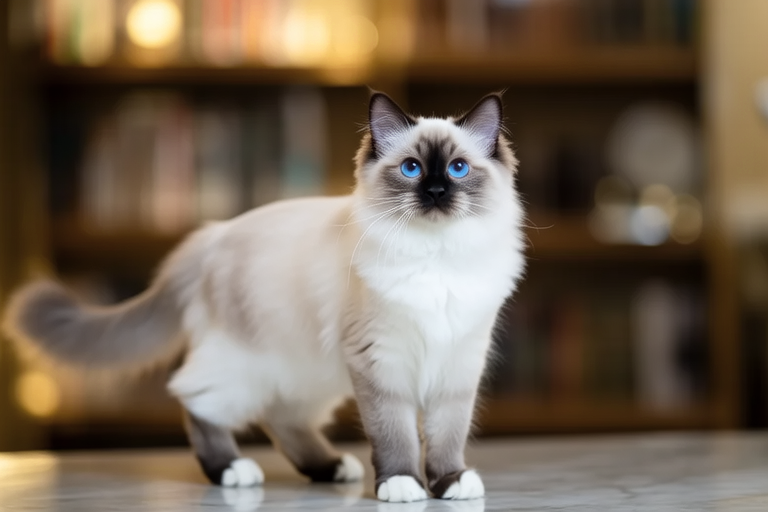
Turkish Angoras: A Blend of Beauty and Intelligence
The Turkish Angora is a breed of cat known for its striking appearance, intelligence, and playful demeanor. With a long history dating back to ancient times, these cats have captured the hearts of many pet lovers around the world. In this article, we will explore the unique characteristics of Turkish Angoras, including their physical features, intelligence, adaptability, and interaction with owners. We will also provide essential care tips and address potential health issues to help you understand how best to care for your Turkish Angora.
A Historical Overview
The Turkish Angora has a rich history that dates back thousands of years. Originating from the Ankara region in central Turkey, these cats were highly valued by Turkish royalty and were often kept as companions in harems. The breed was introduced to Europe in the 16th century and quickly gained popularity among European nobility. Despite their long history, Turkish Angoras remained relatively rare outside of Turkey until the mid-20th century when they began to be exported to other countries.
Today, the Turkish Angora is recognized by several major cat registries, including The International Cat Association (TICA) and the Fédération Internationale Féline (FIFe). The breed’s distinctive appearance and charming personality make it a favorite among cat enthusiasts worldwide.
Striking Appearance
One of the most striking features of the Turkish Angora is its luxurious coat. This breed typically has a semi-longhaired coat that is silky and fine-textured. While white is the most common color, Turkish Angoras can also come in a variety of colors, including black, red, blue, cream, and tabby patterns. Their coats are often described as having a “glitter” effect, which gives them a unique and elegant appearance.
In addition to their beautiful coats, Turkish Angoras have large, expressive eyes that are typically almond-shaped and can be blue, green, gold, or a combination of colors. Their slender bodies, long legs, and large ears further contribute to their graceful and regal appearance. These physical traits make Turkish Angoras one of the most visually stunning cat breeds.
Intelligent Nature
Turkish Angoras are not only beautiful but also highly intelligent. They are known for their curiosity and problem-solving abilities, making them excellent companions for those who enjoy interactive play. These cats are often referred to as “dog-like” due to their loyalty and affectionate nature towards their owners. They tend to form strong bonds with their human families and may follow their owners around the house, seeking attention and companionship.
Despite their independent nature, Turkish Angoras are social animals and thrive in environments where they receive plenty of attention and stimulation. They are known to be good communicators, often using vocalizations to express their needs or desires. Owners of Turkish Angoras often report that their cats are highly trainable and can learn tricks or respond to commands with ease.
Adaptability
Turkish Angoras are adaptable cats that can thrive in a variety of living situations. While they prefer indoor living, they can also adjust well to outdoor life if properly supervised. These cats are generally calm and quiet, making them suitable for apartment living. However, they do require plenty of mental and physical stimulation to prevent boredom and behavioral issues.
Turkish Angoras are known for their gentle and affectionate nature, making them excellent companions for families with children or other pets. They are generally patient and tolerant, although they may require some time to adjust to new environments or people. Providing a stable and loving environment will help ensure that your Turkish Angora feels safe and secure.
Common Behaviors
Turkish Angoras are active and playful cats that enjoy interacting with their owners. They are known for their love of climbing and exploring, often finding high vantage points from which to observe their surroundings. These cats are also known for their agility and athleticism, making them excellent jumpers and climbers.
Owners of Turkish Angoras often report that their cats are highly vocal and communicative, often using a range of sounds to express their emotions or needs. While they are generally quiet, Turkish Angoras may become more vocal during times of excitement or when seeking attention. They are also known for their affectionate nature, often seeking out physical contact with their owners through headbutting, rubbing, or purring.
Care Tips
While Turkish Angoras are generally low-maintenance cats, there are several important care tips to keep in mind. Regular grooming is essential to maintain their silky coats and prevent matting. Brushing your Turkish Angora at least once a week will help remove loose hair and distribute natural oils throughout the coat. Bathing should be done as needed, typically every few months.
Feeding your Turkish Angora a balanced diet is crucial for maintaining their overall health and well-being. Consult with your veterinarian to determine the appropriate diet based on your cat’s age, weight, and activity level. Fresh water should always be available, and feeding areas should be kept clean to promote good hygiene.
Regular exercise is also important for keeping your Turkish Angora healthy and happy. Interactive toys, such as laser pointers or feather wands, can help stimulate their minds and provide opportunities for physical activity. Providing access to high perches or climbing structures will also encourage exploration and play.
Health Issues
Like all breeds, Turkish Angoras are prone to certain health issues. One of the most common conditions is hypertrophic cardiomyopathy (HCM), a heart disease that can affect cats of all ages. Regular veterinary check-ups are essential for early detection and management of this condition. Other potential health issues include urinary tract infections and dental problems. Maintaining a healthy diet, providing fresh water, and scheduling regular dental cleanings can help reduce the risk of these issues.
Some Turkish Angoras may also be prone to certain genetic disorders, such as progressive retinal atrophy (PRA), a degenerative eye disease that can lead to blindness. Genetic testing and regular eye exams can help identify and manage these conditions. Early intervention and treatment can improve quality of life and extend lifespan.
Interaction with Owners
Turkish Angoras are known for their strong bond with their owners and are often described as “dog-like” in their loyalty and affection. They tend to form close relationships with their human families and may seek out physical contact, such as cuddling or being petted. These cats are generally patient and tolerant, making them excellent companions for families with children or other pets.
Turkish Angoras are highly social animals that enjoy interacting with their owners. They are known for their playful and curious nature, often seeking out new experiences or challenges. Providing a stimulating environment with plenty of toys and activities will help keep your Turkish Angora engaged and entertained.
Conclusion
The Turkish Angora is a breed of cat that combines beauty, intelligence, and charm into one exceptional package. With their striking appearance, loyal nature, and playful demeanor, these cats make excellent companions for those who appreciate both style and substance. By understanding their unique needs and providing proper care, you can ensure that your Turkish Angora lives a long, healthy, and happy life. Whether you’re a seasoned cat owner or a first-time pet parent, the Turkish Angora is sure to bring joy and companionship into your home.
