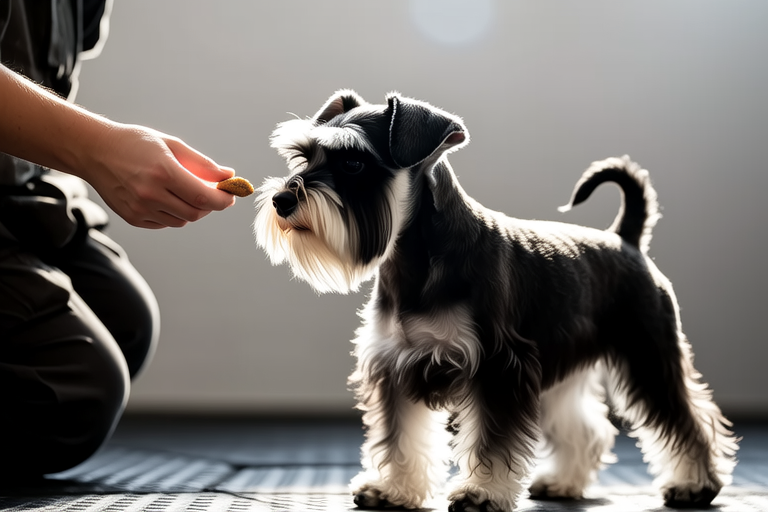
Training Tips for a Happy and Well-Behaved Schnauzer Puppy
Welcome to the wonderful world of owning a Schnauzer puppy! These lively, intelligent dogs require a bit of effort to train but can be incredibly rewarding companions. This article will guide you through understanding your Schnauzer’s behavior, essential training commands, positive reinforcement techniques, socialization tips, exercise needs, grooming considerations, common challenges faced during training, and advice for maintaining consistency in training routines.
Understanding Schnauzer Behavior
Schnauzers are known for their intelligence, loyalty, and protective nature. They are also highly energetic and require a lot of mental stimulation. Early socialization is crucial for them to become well-adjusted adults. Understanding their behavior helps you tailor your training approach effectively.
These dogs are naturally curious and can be mischievous if not given enough attention or mental stimulation. Schnauzers thrive when they have a job to do, whether it’s fetching, agility training, or simply learning new tricks.
Essential Training Commands
Teaching basic commands is vital for your Schnauzer’s safety and your peace of mind. Start with simple commands like ‘sit,’ ‘stay,’ ‘come,’ and ‘leave it.’
- ‘Sit’: Hold a treat above your Schnauzer’s head and move it back slightly so that they have to sit to reach it. As soon as their bottom touches the ground, say ‘sit’ and give them the treat.
- ‘Stay’: Once your dog knows how to sit, teach them to stay by saying ‘stay’ while holding out your hand. Take a few steps back, then return and reward them if they haven’t moved.
- ‘Come’: Use a cheerful tone and call your dog’s name followed by ‘come.’ When they arrive, lavish them with praise and treats.
- ‘Leave It’: Place a treat in your closed fist and let your dog sniff it. Say ‘leave it’ and wait until they stop trying to get it. Then open your hand and give them a different treat.
Positive Reinforcement Techniques
Positive reinforcement is key to successful training. Reward your Schnauzer for good behavior with treats, praise, and playtime. Avoid punishing bad behavior, as this can lead to fear or aggression.
Consistency is crucial. Always use the same command words and follow through with rewards or consequences. For example, if you say ‘sit,’ always expect your dog to sit before giving the treat.
Socialization Tips
Socializing your Schnauzer puppy early is essential for their development into a well-adjusted adult. Expose them to various environments, people, and other animals. This helps prevent fear and aggression later in life.
Start with short, positive experiences. For example, take your puppy to a park where they can meet friendly dogs and people. Ensure these interactions are enjoyable and stress-free for your puppy.
Exercise Needs
Schnauzers are energetic dogs that need plenty of physical activity. Regular walks, play sessions, and interactive toys can help keep them happy and healthy. Aim for at least one hour of exercise per day.
In addition to physical exercise, mental stimulation is equally important. Puzzle toys, obedience training, and games like fetch can provide the mental challenge your Schnauzer craves.
Grooming Considerations
Schnauzers have a distinctive double coat that requires regular grooming. Brush your puppy at least twice a week to prevent matting and remove loose hair. Professional grooming every six to eight weeks is recommended to maintain their signature look.
Regular nail trimming and ear cleaning are also necessary. Keep an eye on your Schnauzer’s teeth and schedule professional dental cleanings as needed.
Common Challenges Faced During Training
Like any breed, Schnauzers can present some unique challenges during training. They may be stubborn or easily distracted, especially if there’s something more interesting around.
To overcome these challenges, ensure training sessions are short and frequent. Keep treats handy to reinforce good behavior, and avoid long, drawn-out sessions that can lead to frustration for both you and your puppy.
Advice for Maintaining Consistency in Training Routines
Maintaining consistency is vital for effective training. All family members should use the same commands and follow the same rules. This ensures your Schnauzer doesn’t get confused.
Set up a routine that includes regular training sessions, playtime, and socialization. Stick to this routine as much as possible, but be flexible when necessary. Life happens, and sometimes you’ll need to adjust your plans. The key is to get back to your routine as soon as possible.
Training your Schnauzer puppy takes time, patience, and dedication, but the rewards are immense. With the right approach, you’ll have a happy, well-behaved companion who brings joy to your life.
