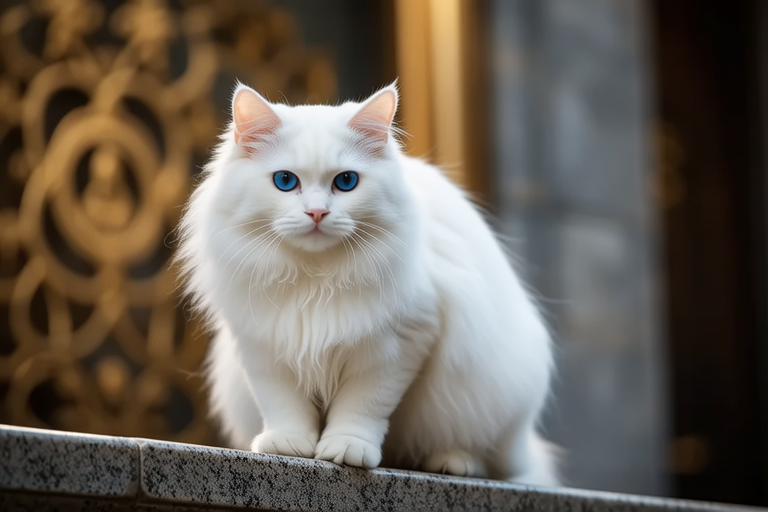
From Anatolian Royalty to Feline Superstars: The Tale of Turkish Angoras
In the heart of ancient Anatolia, where the cradle of civilization once thrived, a breed of cat has captured the hearts of people for millennia. The Turkish Angora, with its regal bearing and striking appearance, has a history that intertwines with the very roots of Turkish culture. From the palaces of Ottoman sultans to the bustling streets of modern cities, these felines have earned their place as both beloved companions and cultural icons.
Ancient Origins and Royal Connections
The origins of the Turkish Angora trace back to the fertile crescent, where the first civilizations emerged. These cats were revered for their agility, intelligence, and beauty, making them indispensable to the lives of the early Anatolians. Their presence in the region is documented in various forms of art, from ancient frescoes to pottery, suggesting that they were valued members of society long before recorded history.
As the Ottoman Empire rose to prominence, Turkish Angoras found themselves among the elite. They were often kept as companions by the royal family, who considered them symbols of grace and elegance. Legends abound about the sultans’ affection for these cats, with tales of Angoras being pampered like royalty and even accompanying their masters into battle. One such story recounts how Sultan Murad III had a special pavilion built just for his favorite Angora, named Selim, who was said to possess a magical charm that brought good fortune to the palace.
Cultural Significance and Mythical Status
In Turkish folklore, the Turkish Angora is more than just a pet; it is a creature imbued with mystical powers. They are believed to bring prosperity and ward off evil spirits, making them essential protectors of homes and families. Many traditional households still keep Angoras for this reason, believing that their presence ensures harmony and well-being.
The breed’s significance extends beyond mere superstition. In Turkish culture, the Angora is celebrated in literature, poetry, and art. Poets have written odes to their elegance, and artists have immortalized their images in paintings and sculptures. This reverence has helped maintain the breed’s popularity throughout the centuries, ensuring that the Turkish Angora remains a vital part of national heritage.
Distinguishing Physical Characteristics
The Turkish Angora is easily recognizable by its sleek, silky coat and large, expressive eyes. Their fur is typically long and fine, often shimmering in shades of white, black, red, or tortoiseshell. The most sought-after color, however, is the snow-white coat, which is associated with purity and elegance.
One of the most striking features of the Turkish Angora is its large, almond-shaped eyes, which can be blue, green, gold, or a combination thereof. These eyes, along with their slender, graceful bodies, give the breed an almost ethereal appearance. Their elegant movements and high-pitched voices further contribute to their unique charm, making them stand out in any setting.
Genetic Traits and Preservation
The preservation of the Turkish Angora’s distinctive traits has been a challenge, but through careful breeding programs, the breed has remained true to its origins. The breed’s genetic makeup is complex, with a mix of recessive genes responsible for its silky coat and large eyes. Breeding practices have focused on maintaining these characteristics while avoiding common health issues.
Efforts to preserve the Turkish Angora began in earnest in the 20th century when Turkish authorities established a breeding program at the Ankara Zoo. This initiative aimed to protect the breed from extinction and promote its unique qualities. Today, the zoo continues to play a crucial role in the conservation of the Turkish Angora, serving as a sanctuary for these magnificent cats.
Anecdotes and Famous Turkish Angoras
One of the most famous Turkish Angoras in recent history is Marmaris, a white cat who became an internet sensation after being adopted by a Turkish family. Marmaris’ playful antics and photogenic looks quickly gained him a following, with fans from around the world admiring his elegant demeanor. His story highlights the enduring appeal of the Turkish Angora, even in the digital age.
Another notable Angora is Lady Turan, a cat who lived in the 1930s and was known for her exceptional intelligence. Lady Turan was said to understand commands and could perform simple tasks, such as fetching objects and opening doors. Her remarkable abilities made her a local celebrity, and her story has been passed down through generations as a testament to the breed’s intelligence and adaptability.
Growing Popularity and Modern Adaptation
Today, the Turkish Angora is gaining popularity worldwide, with many cat enthusiasts seeking to adopt these elegant creatures. Their gentle nature, combined with their striking appearance, makes them ideal companions for modern households. Despite their royal lineage, Turkish Angoras are known for their friendly and affectionate personalities, making them excellent pets for families and individuals alike.
The breed’s adaptability has allowed it to thrive in diverse environments, from bustling cities to quiet rural areas. Their intelligence and curiosity make them adept at exploring new surroundings, and their social nature means they enjoy interacting with humans and other animals. As more people discover the charm of the Turkish Angora, it is likely that their popularity will continue to grow, ensuring that these feline superstars remain cherished companions for years to come.
In conclusion, the Turkish Angora is much more than just a breed of cat; it is a living piece of history, a symbol of Turkish culture, and a beloved pet. From their origins in ancient Anatolia to their current status as international celebrities, these cats have captivated the hearts of people everywhere. Their unique blend of elegance, intelligence, and charm makes them truly one-of-a-kind, and their enduring popularity speaks volumes about their enduring appeal.
