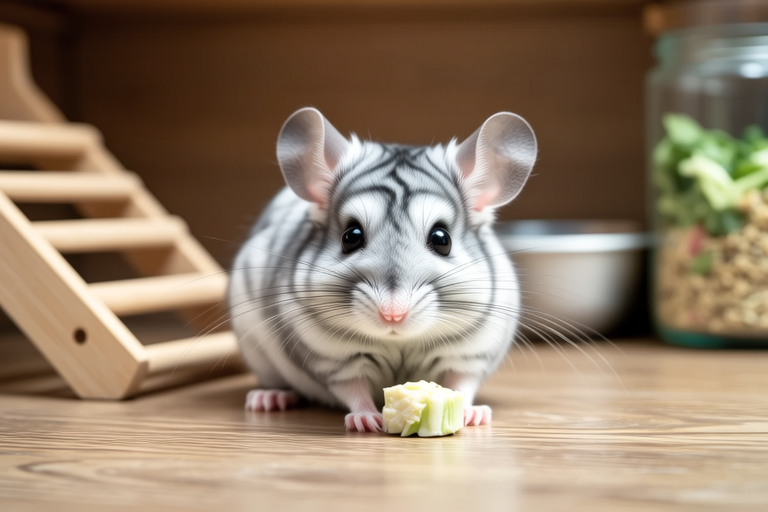
Chinchilla Care 101: Tips for New and Experienced Owners Alike
Welcome to the world of chinchillas! These adorable, fluffy rodents are becoming increasingly popular pets due to their unique appearance and charming personalities. However, owning a chinchilla comes with specific responsibilities. This guide will provide you with essential tips on how to care for your chinchilla, whether you’re a new owner or an experienced one. We’ll cover diet, habitat setup, grooming needs, health concerns, socialization requirements, and exercise tips. By the end of this article, you’ll be well-equipped to provide the best possible care for your chinchilla.
Diet: The Key to a Healthy Chinchilla
Feeding your chinchilla correctly is crucial for maintaining its health. Chinchillas have very sensitive digestive systems, so it’s important to offer them a balanced diet. Their main food source should be high-quality chinchilla pellets, which can be found at most pet stores. These pellets are specially formulated to meet the nutritional needs of chinchillas.
In addition to pellets, hay is an essential part of a chinchilla’s diet. Timothy hay is preferred as it aids digestion and helps wear down their continuously growing teeth. Fresh water should always be available, and it’s a good idea to change it daily to ensure cleanliness.
Avoid giving your chinchilla foods that are high in sugar or fat, such as fruits, vegetables, or nuts. While chinchillas may enjoy these treats, they can lead to obesity and other health issues. Occasional treats like raisins or dried rose hips can be given, but in moderation.
Common Pitfall: Overfeeding treats can lead to weight gain and digestive problems. Stick to a small number of treats per week.
Habitat Setup: Creating a Safe and Comfortable Home
The right habitat setup ensures your chinchilla feels secure and comfortable. Chinchillas need a large cage with plenty of vertical space, as they love to climb. Multi-level cages with platforms, ramps, and tunnels are ideal. Make sure the cage is made of wire with spaces small enough to prevent your chinchilla from escaping but large enough to allow proper ventilation.
Line the bottom of the cage with bedding material. Aspen shavings are a popular choice because they’re safe, absorbent, and easy to clean. Avoid cedar and pine shavings, as they contain oils that can irritate your chinchilla’s respiratory system.
Toys and accessories are important for mental stimulation. Provide chew toys to help keep your chinchilla’s teeth trimmed and to prevent boredom. Ladders, swings, and hideouts are also great additions to the cage.
Fun Fact: Chinchillas are crepuscular, meaning they are most active during dawn and dusk. This behavior makes them perfect companions for those who work during the day.
Grooming Needs: Keeping Your Chinchilla Clean and Happy
Chinchillas have thick fur that requires special care. Unlike other animals, they cannot get wet, so they rely on dust baths to stay clean. Dust baths are essential for removing oils and dirt from their fur. Use commercial chinchilla dust, which is available at pet stores. Place a shallow container filled with dust in the cage for 15-30 minutes twice a week.
Do not attempt to bathe your chinchilla with water, as it can cause skin issues and make their fur clump. Instead, spot clean any soiled areas by gently wiping them with a damp cloth and then letting them air dry.
Nail trimming is another important aspect of grooming. Chinchilla nails grow quickly and can become overgrown if not maintained. You can trim them yourself using nail clippers designed for small animals or take your chinchilla to a professional groomer. Be careful not to cut the quick, which contains blood vessels and nerves. If you accidentally cut the quick, apply styptic powder to stop the bleeding.
Common Pitfall: Neglecting regular grooming can lead to hygiene issues and discomfort for your chinchilla. Make grooming a routine part of your care regimen.
Health Concerns: Spotting and Preventing Issues Early
Chinchillas are generally hardy animals, but they can develop health issues if not cared for properly. Common health problems include dental issues, respiratory infections, and gastrointestinal stasis. Regular check-ups with a veterinarian who specializes in exotic animals can help catch potential problems early.
Signs of illness in chinchillas include changes in appetite, lethargy, discharge from the eyes or nose, and diarrhea. If you notice any of these symptoms, consult a veterinarian immediately. Maintaining a clean environment, providing a balanced diet, and avoiding stress are key factors in preventing health issues.
Fun Fact: Chinchillas have very sensitive hearing, so loud noises can be stressful for them. Keep their living area quiet and calm to promote their well-being.
Socialization Requirements: Building a Bond with Your Chinchilla
Chinchillas are naturally social creatures, but they can be shy around humans. Patience and consistency are key when building a bond with your chinchilla. Spend time handling your chinchilla daily to help them become accustomed to human interaction. Start by offering treats while in the cage and gradually progress to holding and petting them outside the cage.
Chinchillas can be housed together, but it’s important to introduce them slowly and carefully. Housing multiple chinchillas together can provide companionship and reduce stress. However, it’s crucial to monitor their interactions to ensure they get along well.
Common Pitfall: Rushing the socialization process can lead to stress and fear in your chinchilla. Take things slowly and give your chinchilla time to adjust.
Exercise Tips: Encouraging Activity and Play
Chinchillas are energetic and need regular exercise to stay healthy. In addition to climbing and playing within their cage, it’s beneficial to provide supervised out-of-cage time. A chinchilla-proofed room allows your chinchilla to explore safely and burn off excess energy. Remove any hazards, such as electrical cords, and ensure there are no gaps where your chinchilla could escape.
Interactive play sessions can also stimulate your chinchilla mentally and physically. Use toys that encourage problem-solving and exploration. Rotate toys periodically to keep things interesting and prevent boredom.
Fun Fact: Chinchillas have incredibly soft fur, which is why they were once hunted extensively for their pelts. Their fur is so dense that individual hairs can only be seen under a microscope.
Conclusion: Embracing Responsible Pet Ownership
Owning a chinchilla is a rewarding experience, but it requires commitment and knowledge. By understanding their dietary needs, creating a safe habitat, addressing grooming needs, monitoring health, fostering socialization, and encouraging exercise, you can provide the best care for your chinchilla. Remember, each chinchilla is unique, so pay attention to their individual preferences and behaviors. With proper care and attention, your chinchilla can live a long and happy life.
