From Jungle to Couch: The Fascinating Journey of Bengal Cats
The Bengal cat, with its striking appearance and spirited personality, has captivated cat lovers around the world. This breed’s journey from the wilds of Asia to cozy living rooms is nothing short of extraordinary. In this article, we will explore the origins of Bengal cats, delve into the breeding process that brought them into our homes, highlight their unique physical traits, discuss their behavior, provide tips for potential owners, and reflect on the future of this fascinating breed.
Wild Origins: Tracing the Lineage Back to Asian Leopards
The story of the Bengal cat begins in the lush jungles of Asia, where its ancestors, the Asian leopards, roamed freely. These majestic creatures, known for their agility and striking coat patterns, laid the foundation for what would eventually become one of the most popular domestic breeds today. The Bengal cat’s wild roots give it a distinct allure that sets it apart from other house pets.
Asian leopards are part of the leopard family, known for their beautiful rosette patterns on their fur. These patterns are a result of centuries of natural selection, allowing the leopards to blend seamlessly into their environment and avoid detection by predators or prey. The first step towards creating the domestic Bengal cat involved crossing these wild cats with domestic felines to introduce the desirable traits of the leopard’s coat while maintaining the gentle and trainable nature of domestic cats.
The Breeding Process: Key Breeders and Milestones
The journey from wild leopard to domestic Bengal cat was not without challenges. It took the dedication and vision of several key breeders to bring this breed to fruition. Jean Mill, often referred to as the “Mother of Bengals,” played a pivotal role in the development of the breed. Her efforts began in the 1960s when she crossed an Asian leopard cat with a domestic shorthair, marking the beginning of the Bengal breed.
The initial crosses between wild and domestic cats produced offspring that were difficult to handle due to their wild instincts. However, through selective breeding, breeders gradually introduced more domestic traits, resulting in a cat that was both visually stunning and temperamentally suitable for home life. By the late 1980s, the Bengal cat had gained recognition from major cat registries, solidifying its place as a legitimate domestic breed.
Physical Traits and Characteristics
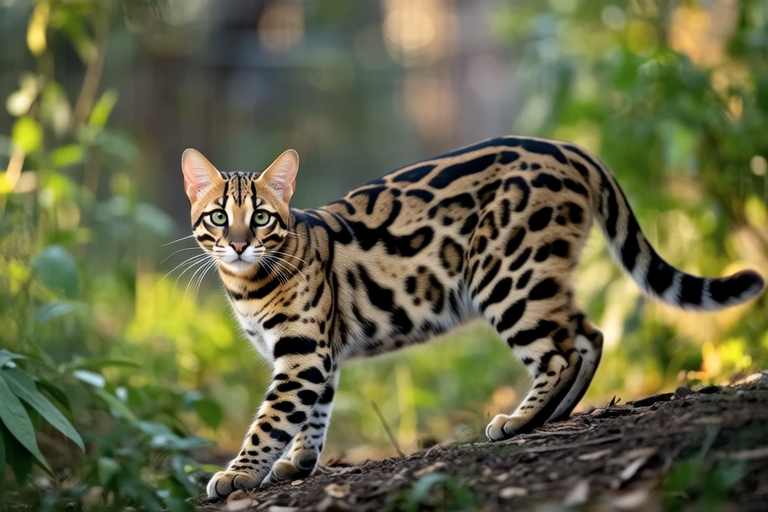
Bengal cats are renowned for their striking appearance, which is a direct result of their wild ancestry. Their coats are typically marked with large, bold spots or marbled patterns, reminiscent of the rosettes found on leopards. This unique coat pattern is one of the most distinguishing features of the breed and contributes significantly to its popularity.
In addition to their distinctive coats, Bengal cats have muscular bodies and long legs, giving them an athletic and graceful appearance. Their eyes, often described as almond-shaped, can be green, gold, or copper, adding to their exotic charm. Their large, rounded ears and expressive faces further enhance their appeal. These physical traits combine to create a cat that is not only beautiful but also incredibly agile and active.
Temperament and Behavior
Beyond their physical beauty, Bengal cats are celebrated for their vibrant personalities. They are known for being highly energetic and playful, traits inherited from their wild ancestors. This energy makes them excellent companions for families who enjoy an active lifestyle. Bengal cats are curious and intelligent, often engaging in activities that challenge their minds and bodies.
Despite their wild heritage, Bengal cats are generally friendly and affectionate towards their human companions. They thrive on social interaction and often form strong bonds with their owners. However, their high activity levels mean they require plenty of mental and physical stimulation to stay happy and healthy. Providing toys, scratching posts, and interactive playtime can help satisfy their need for engagement and prevent boredom.
Caring for a Bengal Cat: Tips for Potential Owners
Owning a Bengal cat requires commitment and understanding of their specific needs. Proper care includes attention to diet, exercise, and social interaction. Here are some essential tips for potential owners:
Dietary Needs
Bengal cats have high energy levels, which means they require a balanced diet rich in protein. High-quality commercial cat foods that list meat as the primary ingredient are ideal. Additionally, offering a variety of fresh meats, such as chicken or fish, can provide additional nutrients and keep meals interesting. It’s important to avoid feeding them excessive amounts of carbohydrates, as this can lead to weight gain and related health issues.
Exercise and Mental Stimulation
To keep your Bengal cat healthy and content, ensure they have ample opportunities for exercise and mental stimulation. Interactive toys, climbing structures, and puzzle feeders can help satisfy their need for activity and problem-solving. Regular play sessions with your cat can also strengthen your bond and provide much-needed exercise.
Social Interaction
Bengal cats thrive on social interaction and enjoy spending time with their human companions. Regular petting, grooming, and playtime are essential for maintaining a strong bond. They also tend to get along well with other animals, provided they are properly introduced. Socialization from a young age can help ensure your Bengal cat becomes a well-adjusted and sociable adult.
The Future of the Breed
As the Bengal cat continues to grow in popularity, there is increasing focus on addressing genetic health concerns and improving the overall well-being of the breed. One of the primary challenges faced by breeders is managing hereditary conditions, such as hypertrophic cardiomyopathy (HCM), a heart disease that affects some Bengal cats. Genetic testing and careful breeding practices are crucial in reducing the incidence of these conditions.
Efforts are also underway to preserve the breed’s wild traits while minimizing any negative effects associated with selective breeding. This includes promoting responsible breeding practices and educating potential owners about the unique needs of Bengal cats. By working together, breeders, veterinarians, and cat lovers can ensure the continued success and well-being of this remarkable breed.
In conclusion, the journey of the Bengal cat from jungle to couch is a testament to the power of selective breeding and the enduring appeal of wild beauty. With their striking appearance, playful nature, and unique characteristics, Bengal cats continue to captivate hearts and homes around the world. Whether you’re a seasoned cat enthusiast or considering adding a Bengal to your family, understanding their history, needs, and potential challenges will help ensure a rewarding and fulfilling relationship.
