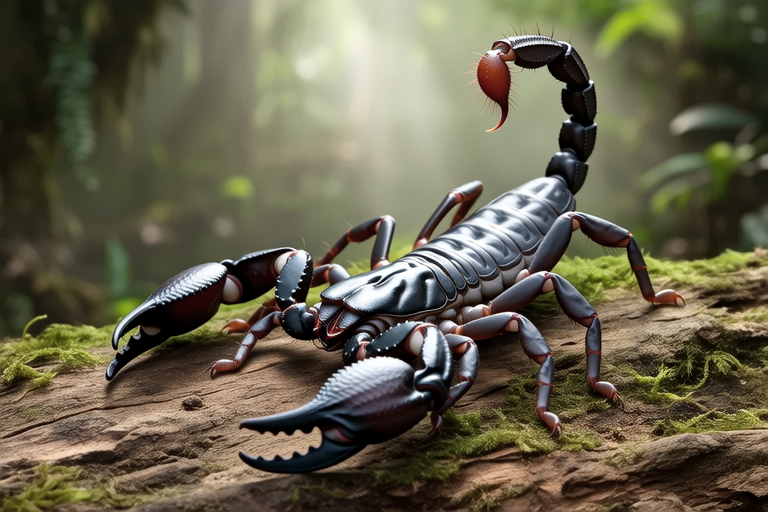
Heterometrus spinifer: The Mysterious and Magnificent Scorpion
Introduction:
The world of arachnids is filled with fascinating creatures, each with their own unique traits and adaptations. Among these, the Heterometrus spinifer, commonly known as the spiny forest scorpion, stands out for its striking appearance and intriguing behavior. This article delves into the physical characteristics, habitat, behavior, diet, and the myths surrounding this species, offering a comprehensive understanding of one of nature’s most resilient and captivating creatures.
Physical Characteristics
The Heterometrus spinifer is a medium-sized scorpion, typically measuring between 8 to 10 centimeters in length. It is easily recognizable by its robust body, covered in sharp, backward-pointing spines along its tail (or telson), which give it its name. These spines serve both defensive and offensive purposes, helping the scorpion grip onto prey and protect itself from predators. The spiny forest scorpion also has two large pincers (pedipalps) that are used for grasping and manipulating food, as well as for fighting off rivals or threats.
Compared to other scorpions in the genus Heterometrus, such as the Indian red scorpion (H. bangalensis), the H. spinifer exhibits a more pronounced set of spines, making it stand out visually. Its coloration ranges from dark brown to black, providing excellent camouflage in its natural habitat. The scorpion’s eyes, located at the front of its head, allow it to detect movement in low light conditions, while its sensory hairs help it navigate its environment through vibrations.
Habitat and Distribution
The Heterometrus spinifer is native to the tropical forests of Southeast Asia, including countries like Thailand, Malaysia, and Indonesia. It thrives in humid environments, often found under logs, rocks, or within crevices in the forest floor. These scorpions prefer areas with dense vegetation and high humidity levels, which provide them with ample shelter and moisture.
Unlike desert-dwelling scorpions, the H. spinifer is well-adapted to life in the rainforest. Its nocturnal habits allow it to avoid the heat of the day, while its burrowing abilities enable it to create safe havens underground during the hottest periods. The dense foliage and complex ecosystem of the rainforest offer numerous opportunities for hunting and hiding, making it an ideal habitat for this species.
Behavior
The spiny forest scorpion is primarily nocturnal, emerging from its hiding places at night to hunt for food. During the day, it remains hidden, conserving energy and avoiding the intense heat. This behavior is common among many scorpion species, but the H. spinifer takes it a step further by creating intricate burrows that can extend several meters underground. These burrows serve multiple purposes, acting as both homes and traps for unsuspecting prey.
When threatened, the H. spinifer employs a range of defensive tactics. In addition to its formidable spines, it can release a noxious secretion from its metasomal glands, which is sprayed at potential predators. This secretion contains a cocktail of chemicals that can cause irritation or blindness in animals, providing the scorpion with a crucial advantage in survival. The scorpion may also adopt a characteristic “threat posture,” raising its tail and pincers to appear larger and more intimidating.
Despite its fearsome reputation, the H. spinifer is generally non-aggressive towards humans. However, like all scorpions, it will defend itself if provoked or cornered. Encounters with humans are rare, as the scorpion prefers to remain hidden and avoids open spaces.
Diet
The diet of the Heterometrus spinifer consists mainly of insects and other small invertebrates. Common prey items include crickets, beetles, spiders, and even smaller scorpions. The scorpion uses its keen senses to locate and capture prey, often ambushing victims that wander too close to its burrow entrance. Once caught, the prey is subdued with venom injected through the stinger at the tip of the tail.
The venom of the H. spinifer is considered mild compared to some other scorpion species. While it can cause localized pain and swelling in humans, severe reactions are uncommon. However, the venom is highly effective against the scorpion’s preferred prey, quickly immobilizing them and facilitating digestion. After injecting venom, the scorpion uses its powerful pincers to tear apart the prey, allowing it to consume the liquefied contents.
Myths and Mysteries
Throughout history, scorpions have been shrouded in mystery and superstition, often portrayed as symbols of danger and evil. The Heterometrus spinifer is no exception, with various myths and legends surrounding its existence. In some cultures, the scorpion is believed to be a harbinger of bad luck or a symbol of death, while others view it as a protector or guardian spirit.
One enduring myth suggests that the spiny forest scorpion can regenerate lost limbs, much like a lizard’s tail. While scorpions can indeed regenerate damaged appendages over time, this process is slow and not as miraculous as often depicted. Another popular belief is that scorpions glow under ultraviolet light, which is true but does not apply to all species. The H. spinifer does not fluoresce, adding to the confusion around this phenomenon.
Scientific research continues to uncover new aspects of scorpion biology, dispelling many of these myths. For instance, recent studies have shown that scorpions possess remarkable adaptations for surviving in harsh environments, including the ability to endure long periods without food or water. Understanding these adaptations can help demystify the scorpion’s place in the ecosystem and foster greater appreciation for these creatures.
Threats to Survival
Like many species, the Heterometrus spinifer faces several threats to its survival. Habitat destruction due to deforestation and urbanization poses a significant risk, as the loss of natural habitats reduces available shelter and food sources. Additionally, climate change may alter rainfall patterns and temperature, potentially affecting the scorpion’s ability to thrive in its current environment.
Pollution and pesticide use also contribute to the decline of scorpion populations. Many pesticides are designed to target insects, but they can inadvertently harm non-target species, including scorpions. Furthermore, the illegal pet trade has led to the capture and removal of wild scorpions, disrupting local ecosystems and reducing genetic diversity.
Conservation efforts are underway to protect the H. spinifer and other scorpion species. Organizations are working to establish protected areas and promote sustainable land management practices. Education campaigns aim to raise awareness about the importance of preserving these creatures and their habitats, encouraging responsible behavior when encountering scorpions in the wild.
Tips for Encountering the Spiny Forest Scorpion
If you find yourself in the habitat of the Heterometrus spinifer, it is essential to approach with caution and respect. While these scorpions are generally non-aggressive, they will defend themselves if threatened. Here are some tips to ensure a safe and enjoyable experience:
- Wear protective clothing: Long sleeves, pants, and closed-toe shoes can help prevent accidental contact with the scorpion.
- Use a flashlight: Many scorpions, including the H. spinifer, are nocturnal. A flashlight can help you spot them before they come into contact with you.
- Avoid disturbing: If you see a scorpion, observe it from a safe distance. Do not attempt to handle or provoke it.
- Be cautious in your surroundings: Scorpions often hide under rocks or logs. Use care when moving these objects to avoid startling them.
- Seek medical attention: If you are stung, seek medical attention immediately, especially if you experience severe symptoms.
Conclusion
The Heterometrus spinifer is a remarkable creature, showcasing the incredible diversity and adaptability of life on Earth. From its distinctive spines to its nocturnal habits, this scorpion offers a window into the complex world of arachnids. By understanding its unique characteristics and the challenges it faces, we can work towards preserving this species and the ecosystems it calls home. Whether you encounter the spiny forest scorpion in the wild or admire it from afar, it is a testament to the beauty and resilience of nature.
