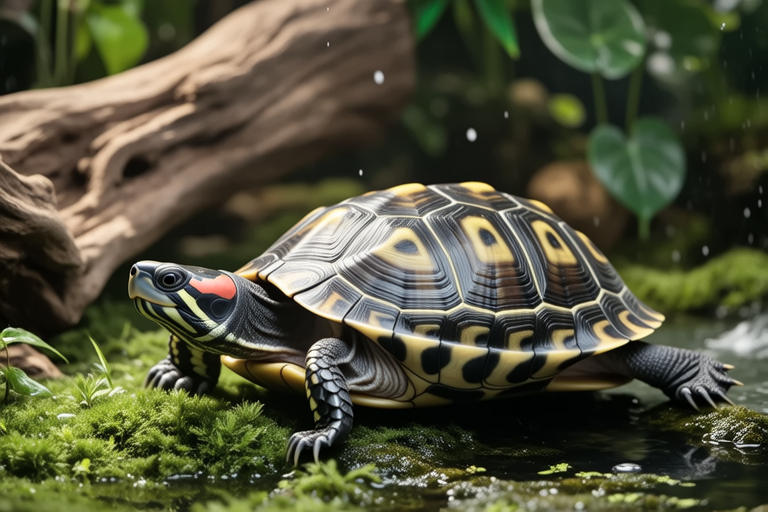
Creating an Ideal Habitat for a Three-Striped Box Turtle
The three-striped box turtle (cuora trifasciata) is a fascinating reptile native to parts of Asia, including China, Taiwan, and Vietnam. These turtles are known for their striking appearance, with three yellow stripes running along each side of their dark shell. Providing a suitable habitat for these turtles is crucial for their health and longevity. This article will guide you through the essential elements needed to create an ideal environment for your three-striped box turtle, emphasizing the importance of mimicking their natural habitat.
Suitable Enclosure Size
The first step in setting up an ideal habitat for your three-striped box turtle is choosing the right enclosure. The size of the enclosure plays a critical role in ensuring that your turtle has enough space to move around comfortably. For a single adult turtle, a minimum enclosure size of 4 feet by 2 feet is recommended. However, larger enclosures are always preferable, especially if you plan to house multiple turtles or provide additional enrichment. A spacious enclosure allows your turtle to engage in natural behaviors, such as walking, basking, and exploring.
Temperature and Humidity Requirements
Temperature and humidity are vital factors in maintaining the health of your three-striped box turtle. These turtles are ectothermic, meaning they rely on external sources of heat to regulate their body temperature. Therefore, it is essential to provide a temperature gradient within the enclosure, allowing your turtle to thermoregulate effectively.
A basking spot should be maintained at approximately 90-95°F (32-35°C) using a heat lamp or ceramic heat emitter. This warm area provides a place for your turtle to bask and absorb heat. Ensure that there is also a cooler area in the enclosure, with temperatures ranging from 75-80°F (24-27°C). This temperature gradient allows your turtle to move between warm and cool areas, regulating its body temperature naturally.
In addition to temperature, humidity levels are equally important. Three-striped box turtles require a humid environment to maintain proper hydration and skin health. Aim for humidity levels between 60% and 80%. You can achieve this by misting the enclosure daily or using a humidifier. Additionally, providing a shallow water dish will help maintain humidity levels and offer a source of hydration for your turtle.
Appropriate Substrate Options
Selecting the right substrate is another crucial aspect of creating an ideal habitat for your three-striped box turtle. The substrate should be safe, easy to clean, and provide a naturalistic environment. Some popular substrate options include:
- Cypress mulch: Cypress mulch is a popular choice due to its ability to retain moisture and provide a naturalistic look. It is also easy to clean and does not stick to the turtle’s shell or skin.
- Reptile carpet: Reptile carpets are artificial substrates that are easy to clean and do not pose any risk of ingestion. They are particularly useful for indoor enclosures where hygiene is a priority.
- Eco-earth: Eco-earth is a soil-based substrate that mimics the natural environment of three-striped box turtles. It holds moisture well and provides a natural feel for your turtle.
Regardless of the substrate you choose, ensure that it is non-toxic and does not cause irritation to your turtle’s skin or respiratory system. Avoid using sand or small gravel, as these can pose choking hazards or cause impaction if ingested.
Necessary Lighting (UVB)
Ultraviolet B (UVB) lighting is essential for the health of your three-striped box turtle. UVB light helps your turtle produce vitamin D3, which is crucial for calcium absorption and bone health. Without adequate UVB exposure, your turtle may develop metabolic bone disease, leading to weakened bones and other health issues.
Choose a high-quality UVB bulb designed specifically for reptiles. The bulb should cover at least half of the enclosure’s length and be placed within 12-18 inches of the basking spot. Replace the bulb every six months or according to the manufacturer’s instructions, as UVB output decreases over time.
In addition to UVB lighting, your turtle will benefit from a full-spectrum fluorescent light to provide natural daylight. This light helps regulate your turtle’s circadian rhythms and promotes overall well-being.
Hiding Spots
Providing hiding spots within the enclosure is essential for your three-striped box turtle’s mental and physical health. Turtles need places to retreat and feel secure, especially when they are stressed or tired. Hiding spots can be created using various materials, such as:
- Plastic plants: Plastic plants can be arranged to form natural-looking hiding spots while being easy to clean.
- Logs or cork bark: Logs or cork bark pieces can be placed vertically or horizontally to create hiding spaces.
- Commercial hide boxes: Commercially available hide boxes are designed specifically for reptiles and come in various shapes and sizes.
Ensure that the hiding spots are large enough for your turtle to fit comfortably inside and provide adequate coverage. Multiple hiding spots scattered throughout the enclosure will give your turtle more options and enhance its sense of security.
Water Area for Soaking
Three-striped box turtles require access to fresh, clean water for drinking, soaking, and swimming. A shallow water dish should be provided at all times, ensuring that it is large enough for your turtle to fully submerge itself. The water level should be no deeper than the width of your turtle’s shell to prevent drowning.
Change the water daily to maintain cleanliness and prevent bacterial growth. If your turtle spends significant amounts of time in the water, consider providing a larger, dedicated swimming area. This area should have a gentle slope to allow easy entry and exit and be cleaned regularly to maintain hygiene.
Diet Considerations
Proper nutrition is essential for the health and well-being of your three-striped box turtle. In the wild, these turtles are omnivorous, feeding on a variety of plant matter, insects, and small animals. To mimic their natural diet, provide a balanced diet consisting of both plant and animal matter.
For plant matter, offer a variety of vegetables, fruits, and leafy greens, such as:
- Bell peppers
- Carrots
- Collard greens
- Melon
- Turnip greens
Animal matter can include:
- Earthworms
- Mealworms
- Romaine lettuce
- Shrimp
- Super worms
Supplement your turtle’s diet with a calcium supplement once or twice a week to ensure adequate calcium intake. Dust the food items lightly with the supplement before offering them to your turtle. Avoid feeding your turtle iceberg lettuce, as it lacks nutritional value and can cause digestive issues.
Tips for Maintaining a Clean and Healthy Environment
Maintaining a clean and healthy environment is crucial for the long-term health of your three-striped box turtle. Here are some tips to help you keep the enclosure clean and hygienic:
- Regular cleaning: Remove feces and uneaten food daily to prevent the buildup of harmful bacteria. Perform a thorough cleaning of the entire enclosure at least once a month, using a reptile-safe disinfectant.
- Water maintenance: Change the water in the water dish daily and clean the water area weekly. Use a water conditioner to remove chlorine and chloramines from tap water.
- Substrate care: Spot-clean the substrate regularly to remove waste and replace it entirely every few months to prevent the accumulation of harmful bacteria.
- Monitoring health: Regularly observe your turtle’s behavior, appetite, and overall health. Consult a veterinarian specializing in reptiles if you notice any signs of illness or abnormal behavior.
By following these guidelines and providing a suitable habitat, you can ensure that your three-striped box turtle thrives in captivity. Remember that the goal is to create an environment that closely resembles its natural habitat, promoting the turtle’s physical and psychological well-being.
