Bearded Dragon Behavior Decoded: Understanding Their Every Move
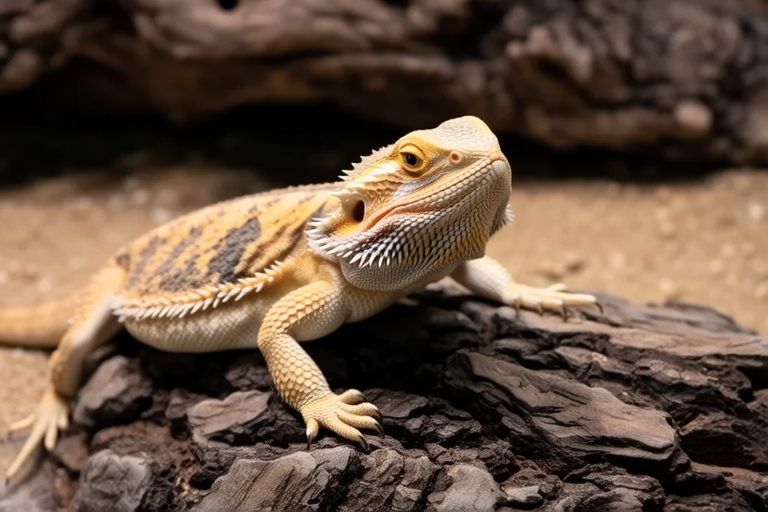
Welcome to the fascinating world of bearded dragons! These captivating reptiles, scientifically known as Pogona vitticeps, have become increasingly popular pets due to their docile nature and striking appearance. Native to Australia, bearded dragons are known for their distinctive spiny scales, robust bodies, and unique behaviors that can often leave owners puzzled. Understanding these behaviors is crucial for providing optimal care and ensuring your dragon’s well-being.
Introduction to Bearded Dragons
Bearded dragons are medium-sized lizards, typically reaching lengths of 18 to 24 inches from snout to tail. They are characterized by their broad, triangular heads, sturdy limbs, and a series of spines that run along their throats and down their backs. The name ‘bearded dragon’ comes from the expandable throat pouch or beard, which can darken when the lizard is threatened or stressed. This feature is one of many adaptations that allow bearded dragons to communicate effectively with other dragons and humans.
Common Behaviors and Their Meanings
Head Bobbing
One of the most recognizable behaviors in bearded dragons is head bobbing. This action involves the rapid up-and-down movement of the head, sometimes accompanied by an open mouth. Head bobbing is primarily a display of dominance or territoriality. Male bearded dragons are more likely to engage in this behavior, especially during breeding season or when they encounter another male. It serves as a way to assert their status and discourage potential rivals. However, females may also perform head bobs, though less frequently, to express dominance within a group.
Arm Waving
Another intriguing behavior is arm waving, where the dragon lifts one front leg slowly and waves it back and forth. This gesture is usually interpreted as a sign of submission or a greeting. When a bearded dragon waves its arm, it may be signaling to another dragon that it is not a threat. In captivity, arm waving can also be a way for dragons to interact with their owners, indicating that they are comfortable and relaxed in their environment.
Puffing Out Their Beards
The puffing out of the beard is perhaps the most dramatic display in a bearded dragon’s repertoire. By inflating their throat pouch, bearded dragons make themselves appear larger and more intimidating. This behavior is closely linked to stress or aggression. If you notice your dragon puffing out its beard, it might be feeling threatened or uncomfortable. Ensuring a secure and stress-free habitat is essential for minimizing this behavior.
Body Language Related to Temperature Regulation and Feeding Habits
Basking and Posture
Temperature plays a critical role in a bearded dragon’s daily life. To regulate their body temperature, they engage in a behavior known as basking. Bearded dragons will position themselves under a heat lamp or bask in a sunny spot, adjusting their posture to maximize warmth absorption. You might observe them lying flat on a rock or perch, fully extended, with their arms and legs spread out. Alternatively, if they feel too hot, they may elevate their bodies off the surface or shade their faces with their front legs. Monitoring your dragon’s basking habits can provide insights into its comfort level and overall health.
Feeding Behaviors
Bearded dragons exhibit distinct behaviors during feeding time. When hungry, they may wave their arms or flick their tongues to attract attention to food. Once they locate their meal, they use their sharp teeth to tear apart insects or vegetation. A healthy appetite is a good indicator of well-being, but overfeeding can lead to obesity and other health issues. Watching your dragon eat can help you gauge its dietary needs and ensure it receives a balanced diet.
Tips for Owners on Interpreting Behaviors
Understanding your bearded dragon’s behavior is key to providing excellent care. Here are some tips to help you interpret your pet’s actions:
- Observe Regularly: Spend time observing your dragon’s daily routines. Familiarize yourself with its normal behaviors so you can quickly identify any changes that might indicate discomfort or illness.
- Provide a Comfortable Environment: Ensure your dragon’s enclosure mimics its natural habitat as closely as possible. Proper heating, lighting, and hiding spots can significantly influence its behavior.
- Handle Gently: When handling your dragon, approach calmly and avoid sudden movements. Allow your pet to get used to your presence before attempting to hold it.
- Consult Experts: If you’re unsure about a particular behavior or notice something unusual, don’t hesitate to consult a veterinarian specializing in reptiles or seek advice from experienced reptile owners.
Maintaining a Healthy Environment
To encourage natural behavior expression and promote overall health, it’s vital to maintain a suitable environment for your bearded dragon. This includes:
- Proper Lighting: Provide UVB lighting to support calcium absorption and prevent metabolic bone disease. Ensure the light source is positioned correctly and replaced according to manufacturer recommendations.
- Adequate Heating: Maintain a temperature gradient within the enclosure, allowing your dragon to thermoregulate effectively. Use a combination of heat lamps and under-tank heaters to achieve the desired temperatures.
- Dietary Variety: Offer a diverse diet consisting of appropriate insects, vegetables, and fruits. Supplement their meals with vitamins and minerals as needed.
- Safe Hiding Spots: Include hide boxes and branches for climbing and resting. These elements help reduce stress and provide opportunities for natural behaviors.
In conclusion, decoding bearded dragon behavior can greatly enhance your ability to care for these remarkable creatures. By understanding the significance of their various actions, you can create an enriching environment that meets their physical and emotional needs. With patience, observation, and proper care, you’ll build a strong bond with your bearded dragon and enjoy watching it thrive in your home.
